English
 日本語
日本語 русский
 عربى
عربىIndustry News
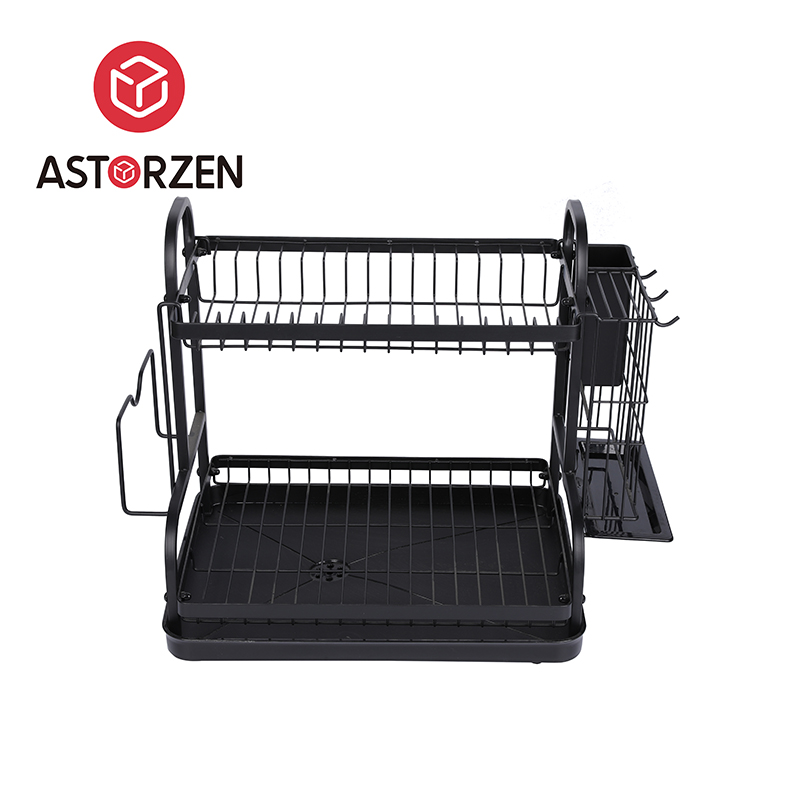
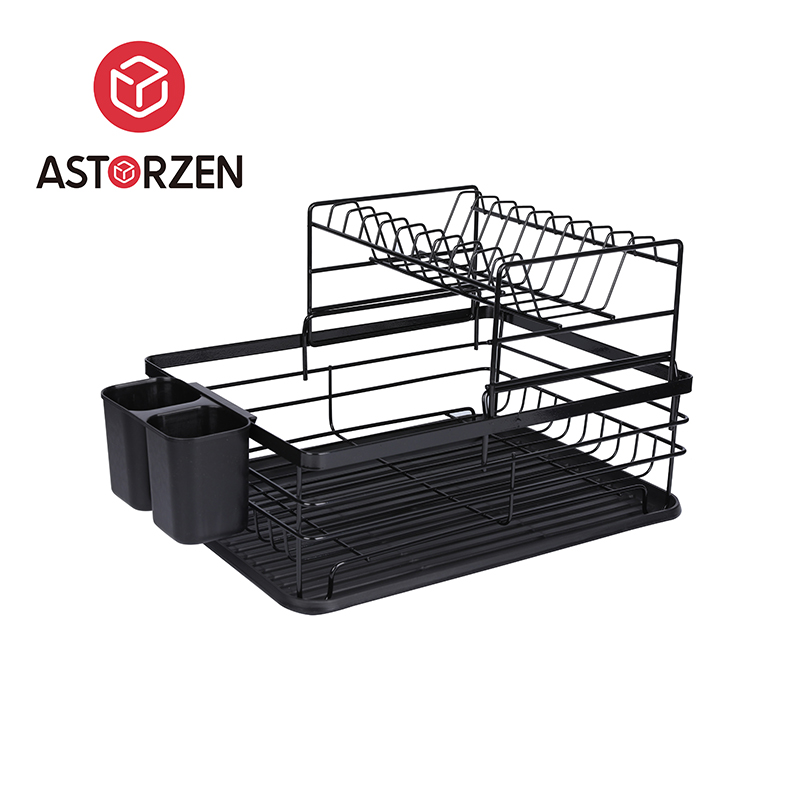
Many homeowners enjoy the convenience of hand-washing dishes, but Kitchen Sink Dish Rack setups and associated Kitchen Racks can sometimes create more mess than they solve. A common complaint from users is that water ends up everywhere — on countertops, backsplash areas, or dripping onto floors. Instead of simplifying kitchen routines, the drying zone becomes a daily cleanup task. Understanding the reasons behind this frustration can help you choose better solutions and keep your kitchen cleaner and more organized.
Why Water Spills Happen Around Dish Racks
A core cause of countertop mess around dish racks is poor drainage design. Many traditional drying racks rely on flat trays underneath to catch water, but these trays often fail to move water off the counter efficiently. When water pools in a flat drip tray with no slope, it just sits there and eventually spills over the edge during busy kitchen use. This stagnant water can also become a source of odors and encourage mold growth around the sink area.
In addition, flat or shallow trays under dish racks do not always direct water toward the sink. If the rack is not perfectly leveled or the drain spout points away from the sink, water can accumulate near the base and run over onto countertops. The result? A seemingly endless cycle of wiping down surfaces after every wash.
Placement Matters
Choosing where to put your dish rack matters a lot for avoiding countertop mess. Placing a Kitchen Sink Dish Rack too close to a backsplash or on uneven surfaces increases the likelihood of splashing and runoff onto counters. Experts recommend using rugs, mats, or graduated drip trays that extend slightly beyond the rack’s footprint to capture water before it escapes the drying zone.
Smart positioning also helps airflow — water evaporates faster when airflow isn’t blocked by walls or cabinets behind the rack. Water that lingers slows drying and creates a moist environment that can cause to sticky surfaces and stains on countertops.
Why Simple Racks May Fall Short
Some users report that minimal or inexpensive drying racks lack features that help control water flow, contributing to messier countertops. Simple designs without angled drainboards or effective trays tend to depend on evaporation alone to remove water droplets after washing. This works poorly in many kitchens because passive drying often takes too long, leaving surfaces wet and sponges damp longer than necessary.
Another complaint comes from racks that collect water in enclosed basins with inadequate drainage. Although these containers seem like they might keep counters dry, they frequently hold stagnant water that eventually spills over and causes puddles to spread. These conditions also raise hygiene concerns.
Tips to Prevent Mess
Here are some user-suggested tips to reduce water mess around dish rack areas:
Use angled drip boards: Designs that channel water toward the sink reduce pooling inside trays or on counters.
Place protective layers: Using silicone mats or absorbent pads beneath the rack can catch drips and evaporate water more quickly than hard plastic trays.
Keep countertop clean: Regularly wipe around the rack area to prevent scale marks and water staining. Empty and clean drip trays weekly — this keeps surfaces dry and hygienic.
Consider over-sink designs: These let water drip directly into the sink, bypassing the countertop entirely and reducing surface wetness.
Balancing Functionality and Clean Counters
Many users have discovered that traditional countertop dish racks are only part of the solution. Replacing them with systems that integrate drainage logic — such as angled boards or over-sink rack options — dramatically reduces water mess. By choosing a layout that supports natural water flow and pairing it with suitable underlays, you can keep counters dryer and make the drying process less of a daily chore.
Zhejiang Yacheng Industry and Trade Co., Ltd. continually explores how design improvements in drying solutions can address these user concerns, from better drainage paths to space-efficient storage racks that don’t compromise kitchen cleanliness.