English
 日本語
日本語 русский
 عربى
عربىIndustry News
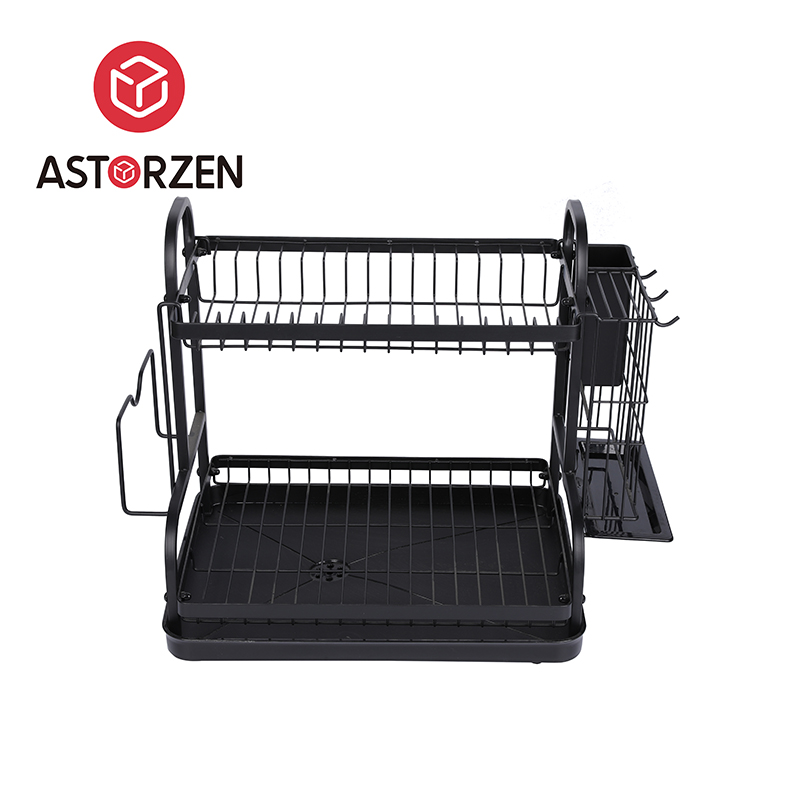
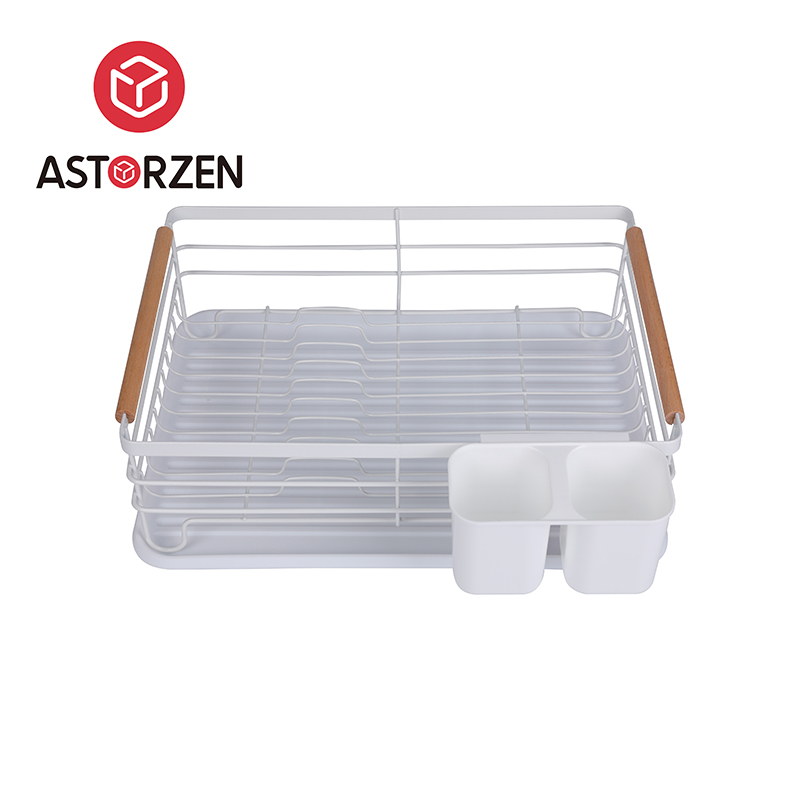
Small kitchen design often demands clever ways to use every available inch of space, and many home cooks are curious whether an over-sink dish rack is truly worthwhile compared to a traditional Kitchen Sink Dish Rack or other Kitchen Racks. Beyond simply drying dishes, the right setup can influence workflow, cleanliness, and overall kitchen feel. Recent discussions among users highlight both the advantages and trade-offs of adopting an over-sink solution — especially where counter space is tight and efficient layout is essential.
What Makes Over-Sink Dish Racks Attractive
One of the more commonly cited benefits of placing a drying rack above the sink is space efficiency. Instead of taking up valuable countertop real estate, dish racks that sit over the sink utilize what is often dead vertical space directly above the basin. This leaves more flat surface free for meal prep, cooking appliances, or utensils, a real plus for compact kitchens with limited counter space.
Direct drainage is another appealing feature. When dishes are placed on an over-sink rack, excess water tends to drip straight into the sink below, avoiding the common problem of puddles forming on countertops. Users appreciate not having to constantly wipe around the drying area, and this built-in drainage simplifies cleaning routines.
Improved airflow around dishes is a third advantage noted by many. Because items are elevated and not sitting on flat surfaces, air circulates more freely around plates, bowls, and cups, which can encourage quicker drying compared to conventional racks beside the sink.
Users Weigh In on Practicality
Some users actually report positive experiences with over-sink setups in small spaces. One kitchen enthusiast shared that replacing a traditional rack with an over-sink model helped free up counter space and made a tiny kitchen feel more open and usable.
Others emphasize how versatile this type of layout can be. For example, in situations with limited countertop room and no dishwasher, an over-sink rack not only serves as a drying area but also as a storage zone for utensils and cookware right where they are cleaned. This reduces the extra steps of moving items around and streamlines dishwashing routines.
Considerations and Trade-offs
Despite the benefits, over-sink systems are not universally perfect for every kitchen. One frequent concern is fit and clearance. Because over-sink racks must sit above the basin, homeowners should measure the distance between the faucet, cabinets, and surrounding space to ensure the rack won’t interfere with faucet movement or hitting upper shelves.
Stability also matters. Because dishes and utensils are held above the sink rather than beside it, the rack must be sturdy and well-supported to prevent sagging under load. Racks with adjustable arms or reinforcement rails tend to offer better stability for heavier items.
Another consideration is capacity. While a rack above the sink can hold plates, cups, and smaller items well, some users find that larger pots and pans don’t always fit comfortably. Because over-sink dish racks occupy vertical space above the basin, they sometimes aren’t wide enough to accommodate big cookware, meaning an additional storage plan might still be necessary.
How to Decide What Works for You
Choosing whether an over-sink dish rack is worth it in a small kitchen really comes down to personal priorities and kitchen layout:
Measure your space initial. Take careful measurements of sink width, faucet height, and cabinet clearance before selecting a rack.
Think about workflow. If you prefer to wash and dry dishes in one place without moving items around, an over-sink setup may be appealing.
Consider your daily dish load. Households with many dishes or large cookware may prefer a combination of over-sink and counter-side or wall-mounted solutions to ensure adequate space.
Material quality matters. Because over-sink racks are exposed to water and steam, stainless steel or corrosion-resistant finishes can help extend longevity and prevent rust.
For kitchens where work space is at a premium, Zhejiang Yacheng Industry and Trade Co., Ltd. has explored ways to integrate space-saving features into both over-sink and traditional rack designs that enhance usability without occupying excess counter area.
An over-sink dish rack can indeed be a smart addition to a small kitchen, especially when counter space is limited and efficient drying is desired. While it may not suit every setup due to fit or capacity concerns, many users find that the space savings, cleaner countertops, and improved drying performance make it worth considering as part of a broader kitchen organization plan.