English
 日本語
日本語 русский
 عربى
عربىIndustry News
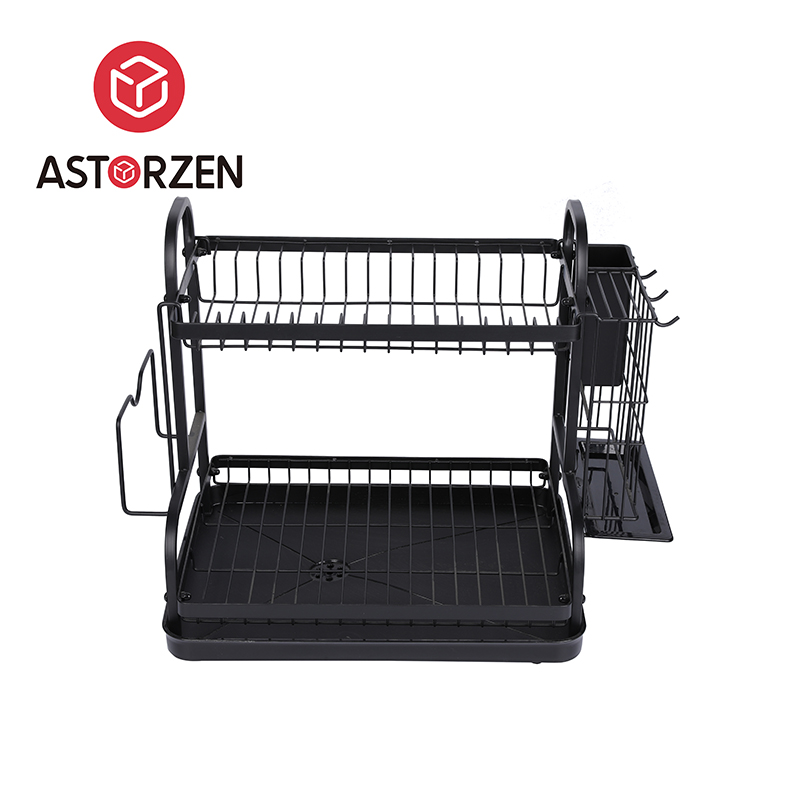
Good kitchen design blends functionality with aesthetics, and Kitchen Sink Dish Rack and Kitchen Racks play an important part in daily routines. Many users now question whether classic countertop models are still the right choice, especially in compact spaces or modern minimalist layouts. People are increasingly asking about alternatives that save space while keeping dishes organized and countertops clean. Zhejiang Yacheng Industry and Trade Co., Ltd. understands these concerns and has focused product development on practical solutions that meet a range of kitchen storage needs.
Space Constraints and Visual Clutter
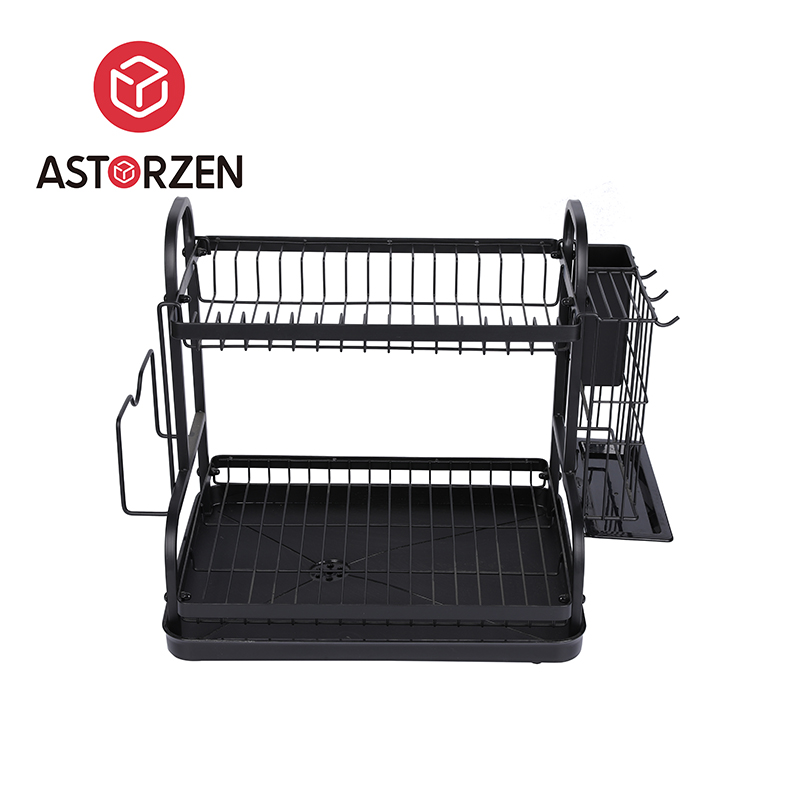
A common complaint about traditional dish racks is that they dominate valuable counter space, making kitchens feel crowded and disorganized. Users often share that countertop drying racks push other daily essentials out of the way and interfere with workflow around the sink area. Users who prioritize a clean, open kitchen layout question whether the bulkiness of these racks is worth the convenience. While some over-sink designs help reclaim space by using vertical room, they may come with their own set of challenges in capacity and installation.
Water Drainage Issues
Many dish racks don’t handle water drainage efficiently, which leads to small puddles and damp countertops. When the rack doesn’t slope toward the sink or when the drain spout is poorly positioned, water can accumulate and create a mess that requires additional cleanup. Pooling water is not only inconvenient but also contributes to unpleasant smells and makes surfaces harder to keep clean. Choosing racks with better drainage trays or combining them with absorbent kitchen mats can significantly reduce this problem.
Hygiene and Maintenance Concerns
Some users regularly express concerns about hygiene, particularly when rust, mold, or mildew appear on the surfaces of their dish racks. Metal racks with peeling coatings can start to rust, while wooden or bamboo models without proper treatment are prone to water damage over time. Mold growth in damp spots creates a hygiene risk that many home cooks want to avoid. To combat this, racks with high-quality materials — such as stainless steel with protective finishes — and designs that allow airflow around drying dishes are increasingly recommended.
Alternatives That Users Are Exploring
Because of the issues above, some users report experimenting with alternatives. For example, flexible silicone drying mats offer a low-profile way to dry dishes without a rigid rack taking up space. These mats lie flat when needed and can be stored away easily, reducing visual clutter and freeing up surface area for food prep tasks. Others are opting for accessories that combine drying functions with storage, such as roll-up racks that sit over the sink and then fold away when not in use, making kitchens feel more open and organized.
Choosing the Right Rack for Your Kitchen
When selecting a dish rack or general kitchen rack solution, consider the following:
- Material quality – Stainless steel resists rust and lasts longer in damp environments.
- Drainage design – Ensure the rack has a tilted tray or spout that naturally guides water back into the sink.
- Space utilization – Tiered or over-sink styles can help in smaller kitchens, while modular racks offer flexibility for growing needs.
- Ease of cleaning – Components that disassemble easily prevent grime buildup and make maintenance simpler.
Zhejiang Yacheng Industry and Trade Co., Ltd. offers custom solutions across a variety of kitchen storage products designed to meet these needs and reduce everyday frustrations in dish organization and drying.
Space-saving dish racks can be a strong alternative to traditional drying racks when they solve core frustrations like water leakage, hygiene concerns, and counter crowding. By evaluating drainage performance, storage options, and material durability, home cooks can find practical ways to organize dishes and streamline kitchen workflow without sacrificing clean design.