




 English
 日本語
日本語 русский
 عربى
عربى
Home / News / Industry News / Smart Fruit Storage Practices for Maintaining Freshness in Modern Food Supply Chains
Industry News
Fresh produce businesses, retailers, and households are paying more attention to effective Fruit Storage solutions as consumer demand for fresh, high-quality fruits continues to grow. From temperature control to packaging selection, proper storage methods directly influence shelf life, appearance, and customer satisfaction. For buyers looking for reliable fruit preservation solutions, understanding storage conditions and practical management strategies helps reduce waste and improve product value.
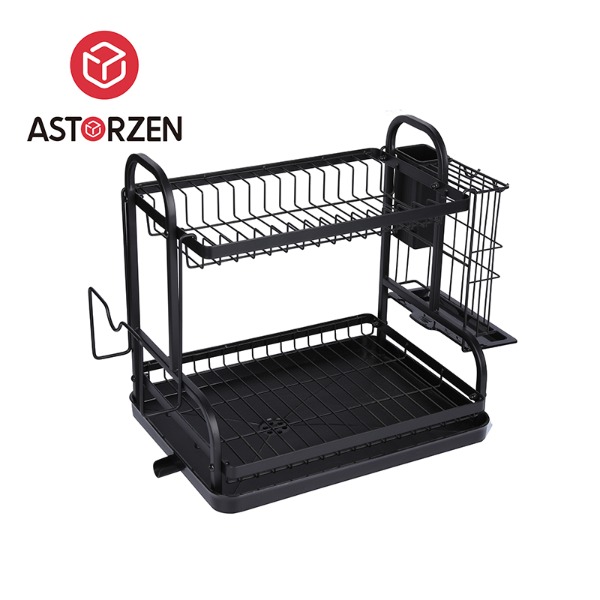
Creating Suitable Storage Conditions for Different Fruits
Different fruits have different requirements for storage environments. Some fruits are sensitive to temperature changes, while others need specific humidity levels to maintain texture and flavor. A well-designed fruit storage system should consider these differences instead of applying the same conditions to every type of produce.
For example, apples, berries, citrus fruits, and tropical fruits may require different handling methods during transportation and storage. Factors such as airflow, moisture control, and container design can affect how long fruits remain fresh. Businesses involved in fruit distribution often focus on flexible storage solutions that can support various fruit categories throughout the supply chain.
Reducing Freshness Loss During Transportation and Handling
Fruit quality can decline quickly when products experience unnecessary handling damage or unstable environments. Small improvements in storage processes can help reduce bruising, dehydration, and quality changes before fruits reach customers.
Common practices include:
These methods are useful for wholesalers, supermarkets, and food service providers that need consistent fruit quality from suppliers to final consumers.
The Role of Humidity Management in Fruit Preservation
Humidity control is an important part of modern fruit storage management. Excess moisture may increase the risk of mold growth, while dry conditions can cause fruits to lose firmness and visual appeal.
Advanced storage environments often combine ventilation systems with humidity management tools to create a balanced atmosphere. For businesses purchasing fruit storage equipment, selecting solutions that support adjustable environmental control can help meet the needs of different fruit types and seasonal changes.
Choosing Practical Storage Designs for Commercial Use
Commercial buyers are increasingly interested in storage designs that are easy to operate and suitable for daily production needs. A practical storage area should provide convenient access, efficient space utilization, and simple maintenance.
Important design considerations include:
These details help businesses improve workflow efficiency while maintaining better fruit handling standards.
Sustainable Approaches in Modern Fruit Storage
Sustainability has become an important topic across the global food industry. Many companies are exploring ways to reduce food waste through improved storage methods rather than relying only on increased production.
Efficient storage solutions can support this goal by helping preserve more usable produce and reducing unnecessary disposal. Reusable storage containers, energy-conscious equipment designs, and better inventory planning are becoming practical choices for businesses seeking more responsible operations.
Supporting Better Fruit Quality Through Reliable Storage Solutions
As fruit supply chains become more connected, storage management plays an important role in delivering fresh products to different markets. Buyers are not only looking for storage equipment but also solutions that fit their specific product types, operating environments, and business processes.
A carefully planned Fruit Storage system can help maintain fruit quality, improve handling efficiency, and support smoother distribution. By focusing on practical storage conditions, suitable designs, and effective management methods, businesses can create a more stable process from harvest to consumption.


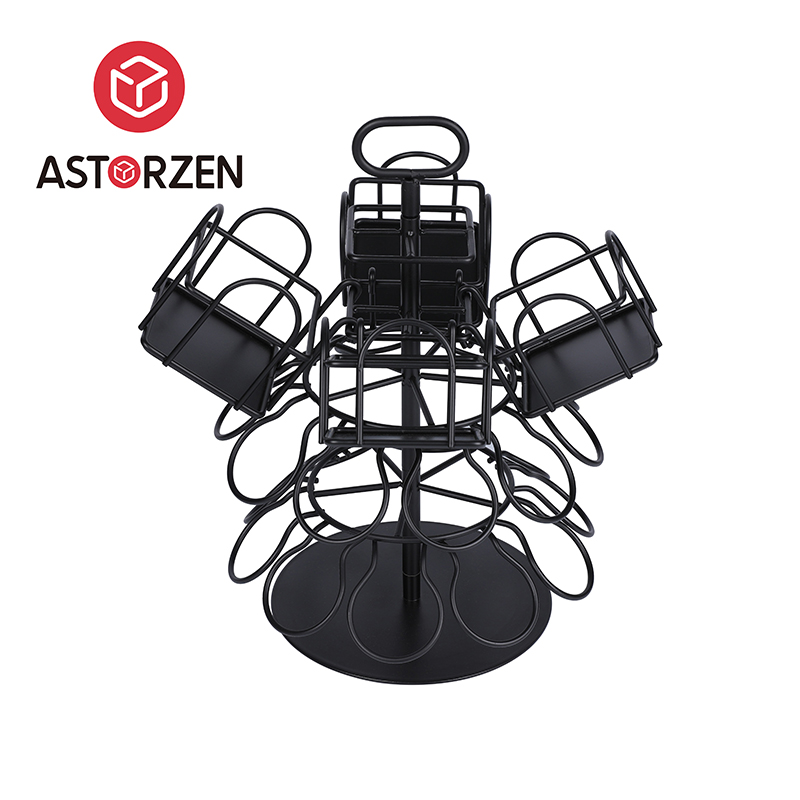 Large Capacity Top-Standing Rotatable Beverage And Coffee Storage Rack
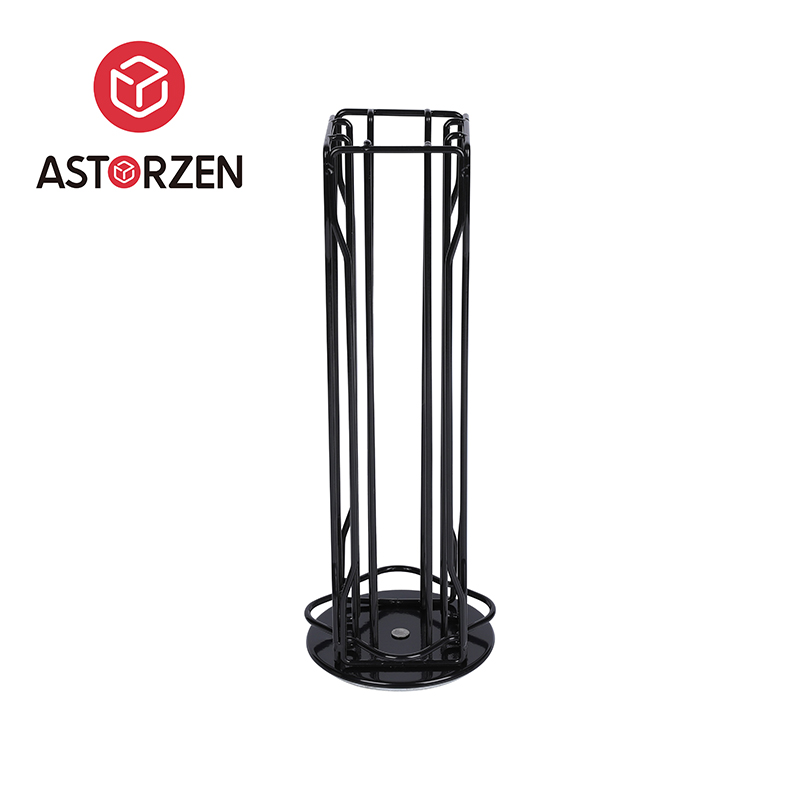 Living Room Vertical Stable Floor Stand Storage Rack for Coffee Capsules
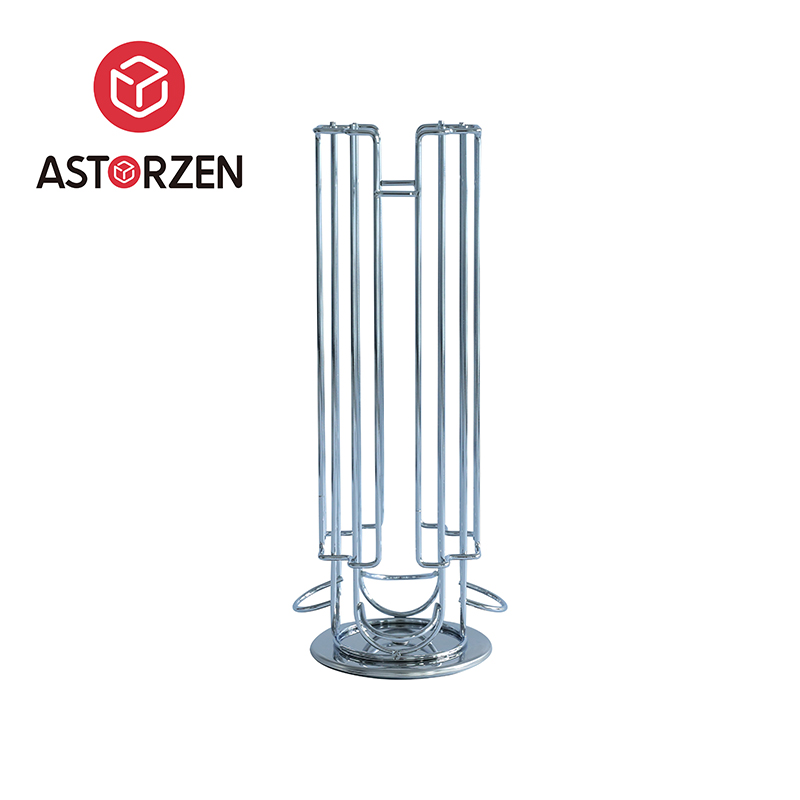 Commercial Vertical Rotatable Coffee Capsule Storage Rack
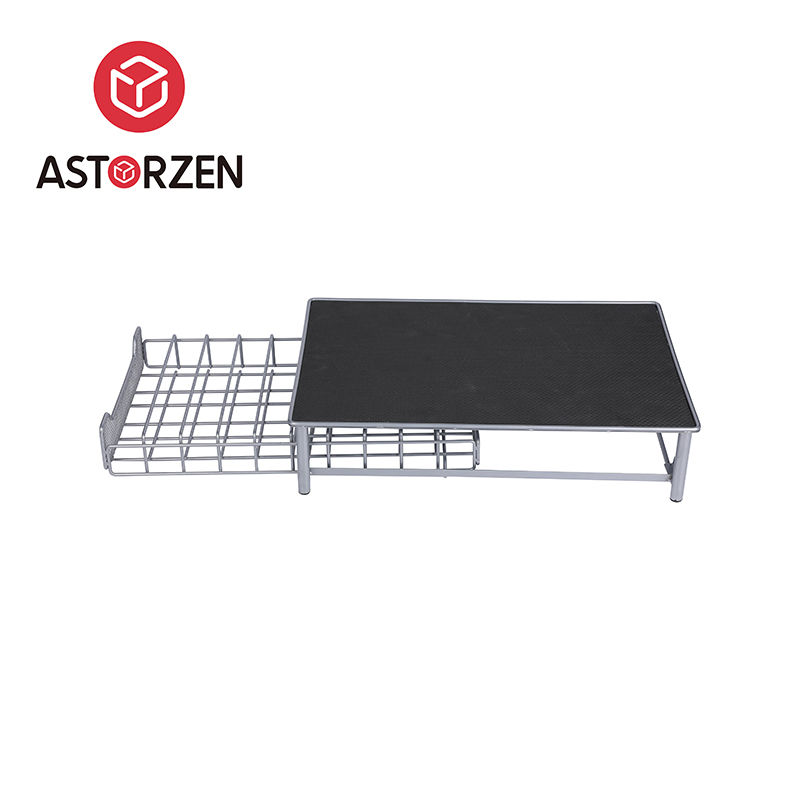 Modern Steel Storage Rack with Pull-Out Drawer for Coffee Capsules
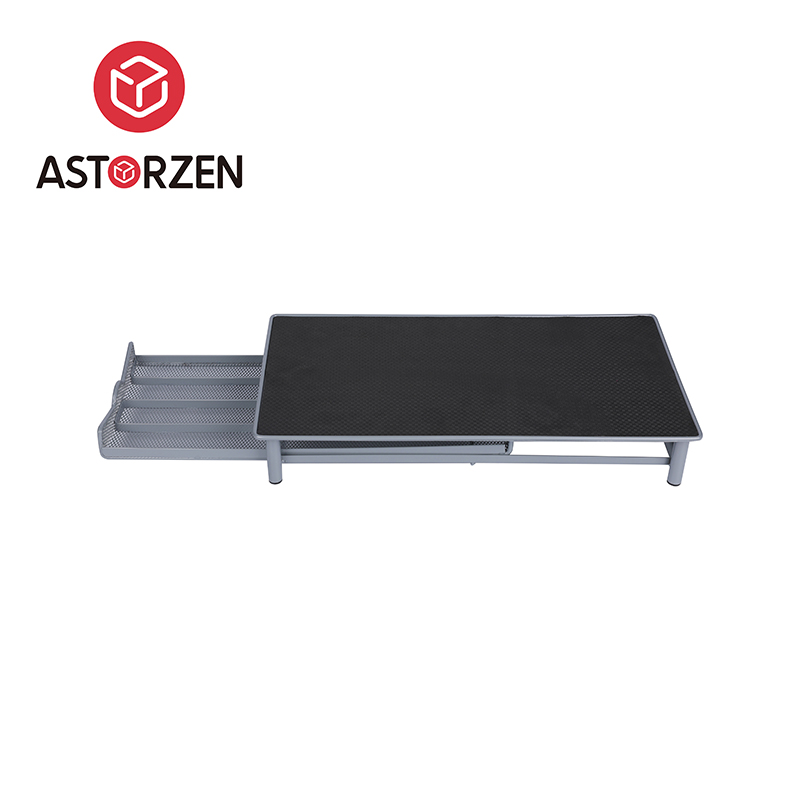 Fashionable Home Desktop Coffee Capsule Storage Drawer
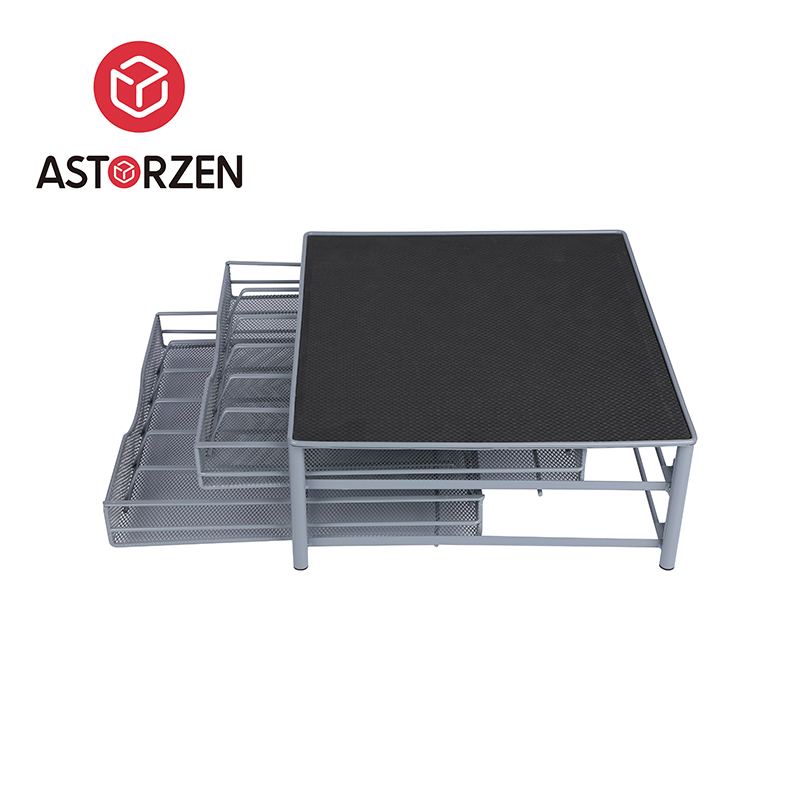 Desktop 2-Tier Coffee Capsule Placement Drawer
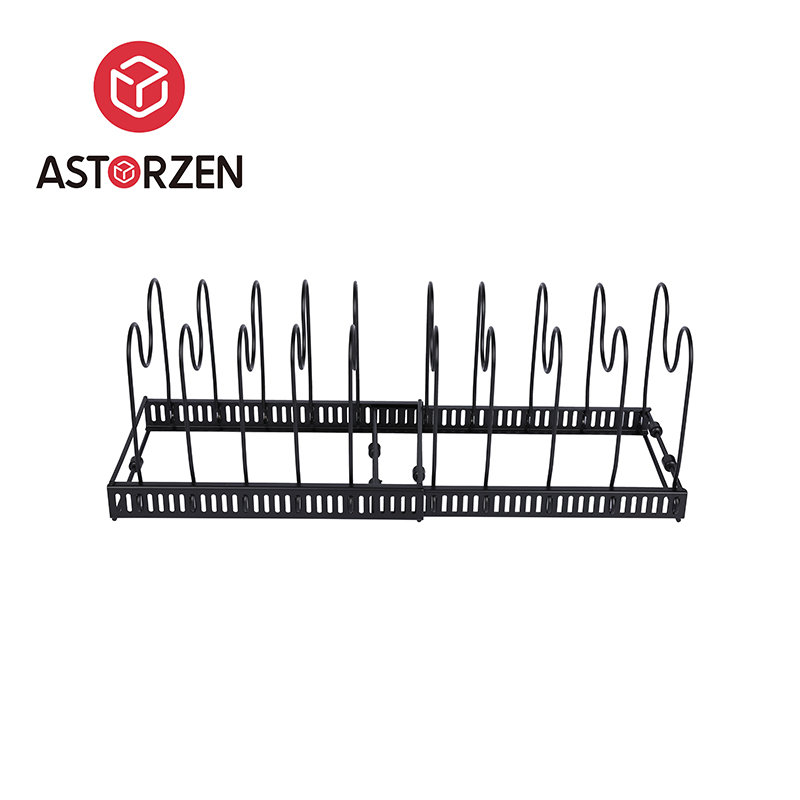 Adjustable Luxury Scalable Pot Rack Bowl Storage Rack
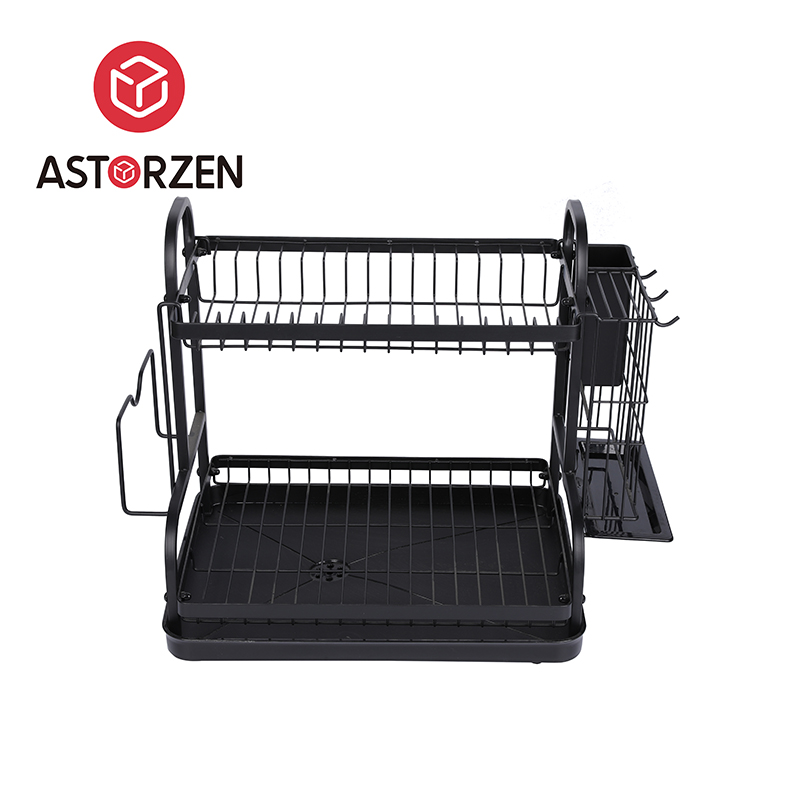 Multi-functional Metal Double-layer Dish And Bowl Draining Basket

Copyright 2025 Zhejiang Yacheng Industry and Trade Co., Ltd. All Rights Reserved.

