




 English
 日本語
日本語 русский
 عربى
عربى
Home / News / Industry News / Improving Fruit Storage Efficiency with Practical Solutions for Fresh Produce Management
Industry News
Fresh fruits require careful handling from harvest to retail shelves, and proper Fruit Storage has become an important part of maintaining quality in modern food supply chains. With changing consumer expectations for fresher produce and reduced food waste, businesses are paying more attention to storage conditions, space planning, and daily management methods. Whether for farms, distributors, supermarkets, or food service operations, suitable fruit storage solutions can help protect product quality and create a smoother supply process.
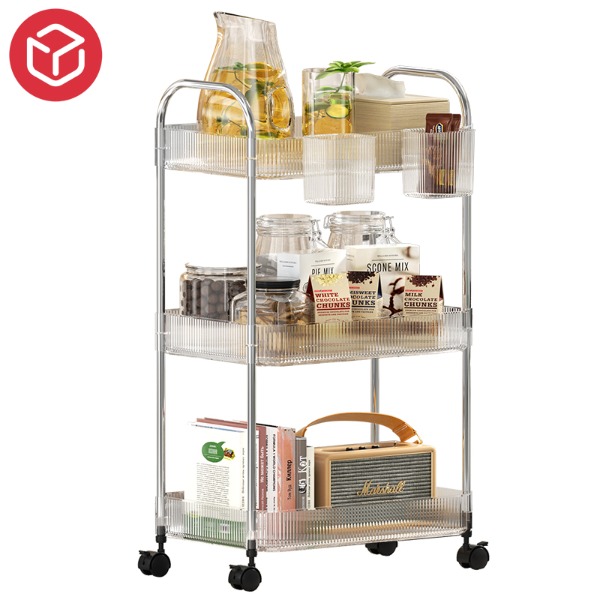
Each fruit has its own storage requirements based on moisture content, skin structure, ripening speed, and sensitivity to environmental changes. A common challenge for buyers is finding a storage approach that works for different fruit categories without affecting freshness.
For example, soft fruits often require careful handling to avoid pressure damage, while some citrus fruits need balanced ventilation to maintain their natural condition. A well-organized storage environment should consider temperature stability, air movement, and humidity control to create suitable conditions for various produce types.
Understanding these factors helps businesses select fruit storage systems that are more practical for their daily operations instead of relying on general storage methods.
Storage efficiency is not only related to equipment but also to how fruits are arranged and managed. Poor organization can lead to unnecessary handling, uneven airflow, and difficulties in inventory control.
A more effective storage process usually includes:
These simple improvements can support better workflow and help businesses maintain more consistent product quality.
Humidity management is one of the key concerns in fruit preservation. When the storage environment is too dry, fruits may lose moisture and become less appealing. On the other hand, excessive humidity may create conditions that affect surface quality.
Modern storage solutions often focus on creating a balanced environment through ventilation design and moisture control. For commercial users, this approach provides better flexibility when handling different fruit varieties throughout the year.
A reliable ventilation structure also helps maintain more stable conditions inside storage areas, making daily operation easier for workers.
Different businesses have different storage challenges. A small retailer may need compact storage space with easy access, while a large distributor may require a system that supports higher volumes and frequent loading activities.
When evaluating fruit storage options, buyers often consider:
Choosing a suitable design allows businesses to improve efficiency without creating unnecessary operational complexity.
Food waste reduction has become a growing focus in the global fresh produce industry. Better storage practices can help businesses preserve more usable fruits and reduce losses caused by improper handling.
Many companies are now exploring storage methods that combine efficient space use, reusable materials, and improved inventory planning. These practices not only support sustainability goals but also help businesses manage costs more effectively.
By extending the usable period of fresh produce through better storage management, suppliers and retailers can create a more stable connection between production and consumption.
As the fresh produce market continues to develop, storage quality has become an important factor affecting customer experience and business performance. Buyers are looking for solutions that provide practical benefits, including easier management, better protection, and improved adaptability for different fruit types.
A well-planned Fruit Storage system supports better freshness control, smoother distribution, and more efficient produce management. By combining suitable storage conditions with thoughtful organization methods, businesses can create a dependable process that helps fruits maintain their value from supplier facilities to end consumers.


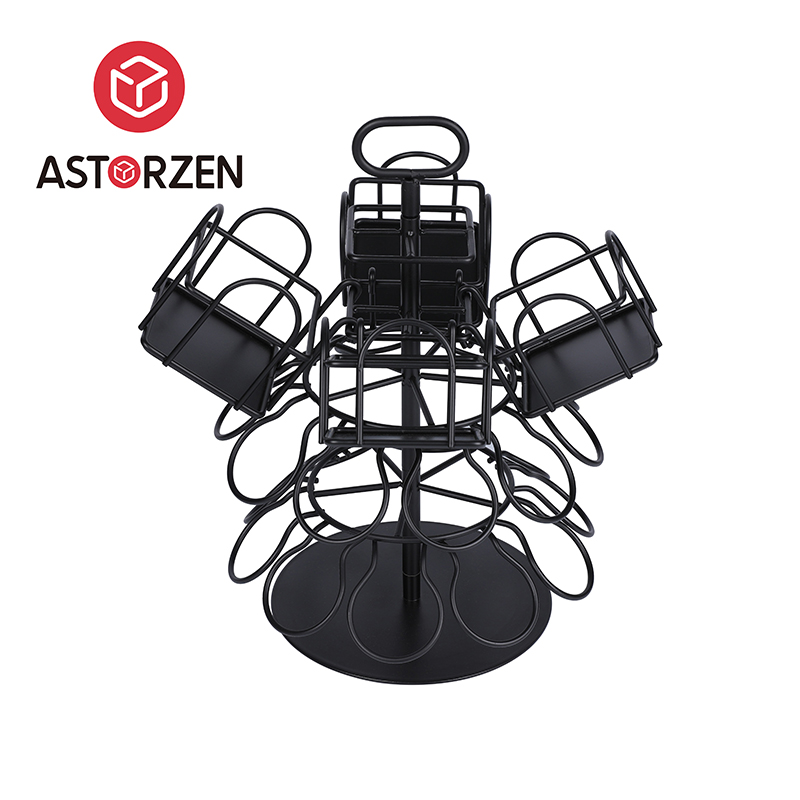 Large Capacity Top-Standing Rotatable Beverage And Coffee Storage Rack
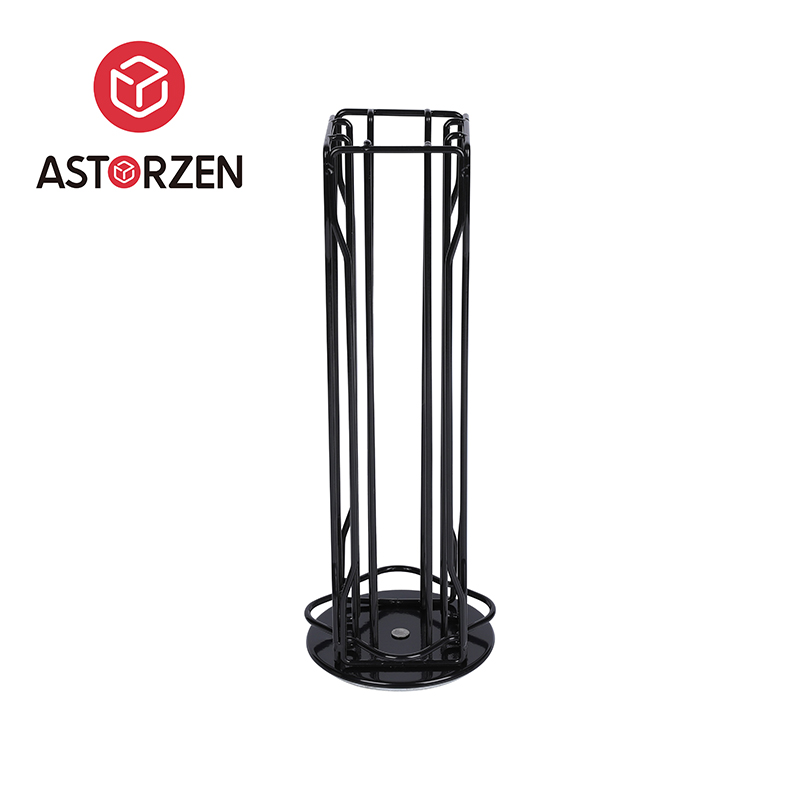 Living Room Vertical Stable Floor Stand Storage Rack for Coffee Capsules
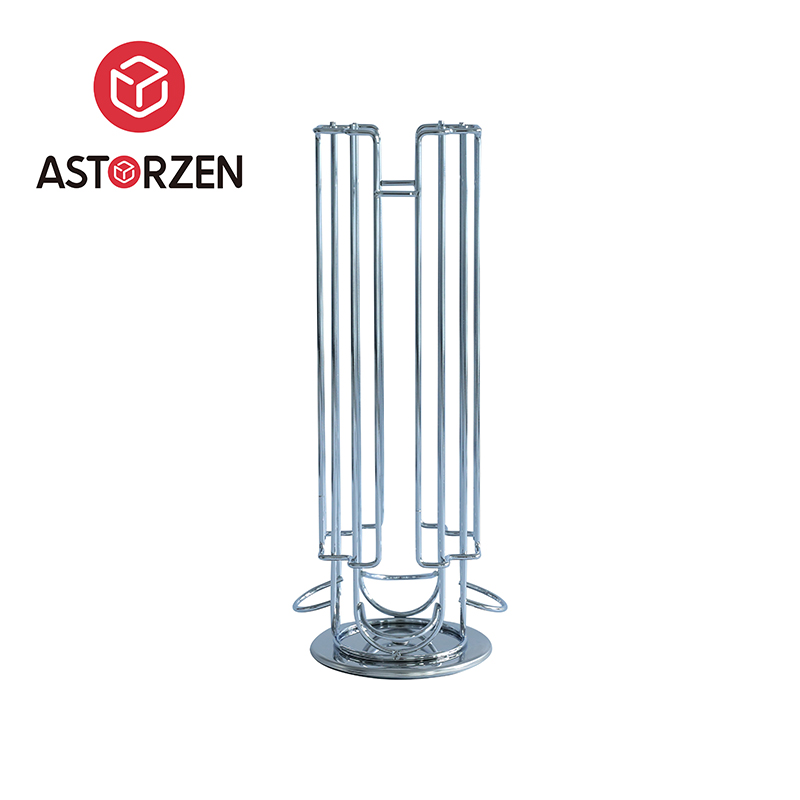 Commercial Vertical Rotatable Coffee Capsule Storage Rack
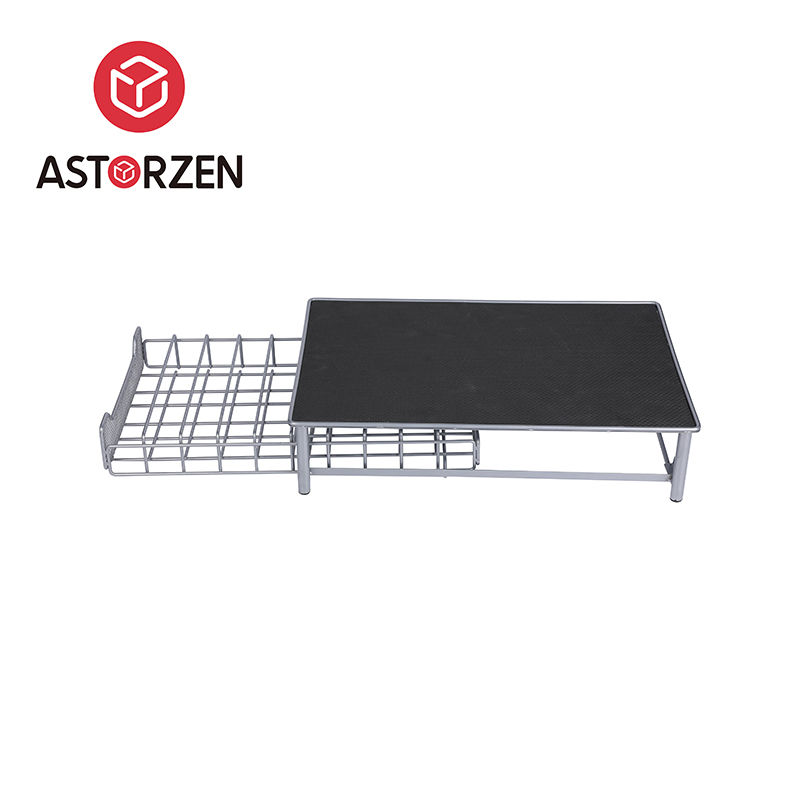 Modern Steel Storage Rack with Pull-Out Drawer for Coffee Capsules
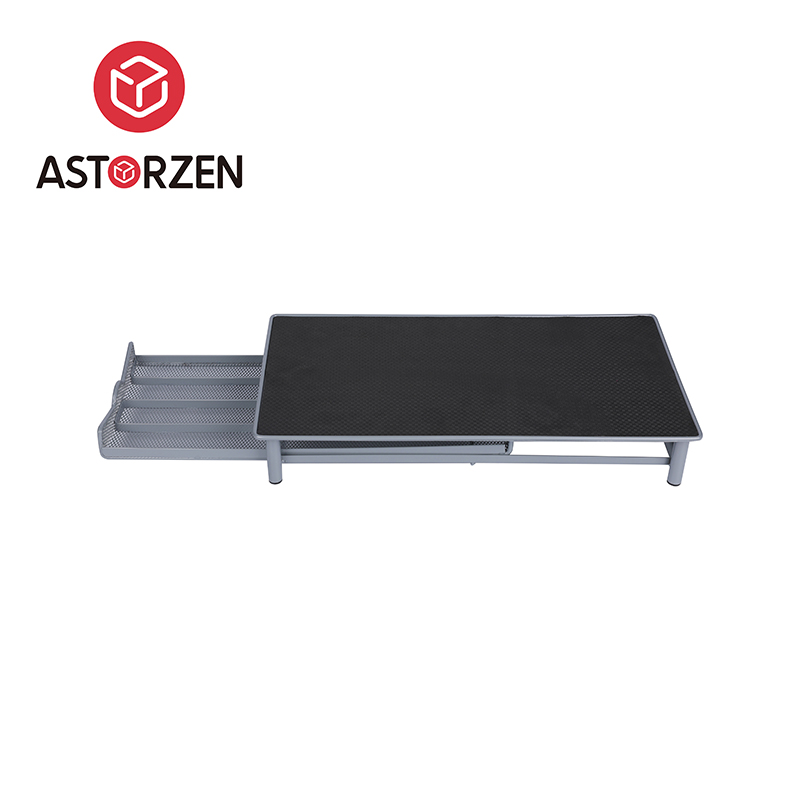 Fashionable Home Desktop Coffee Capsule Storage Drawer
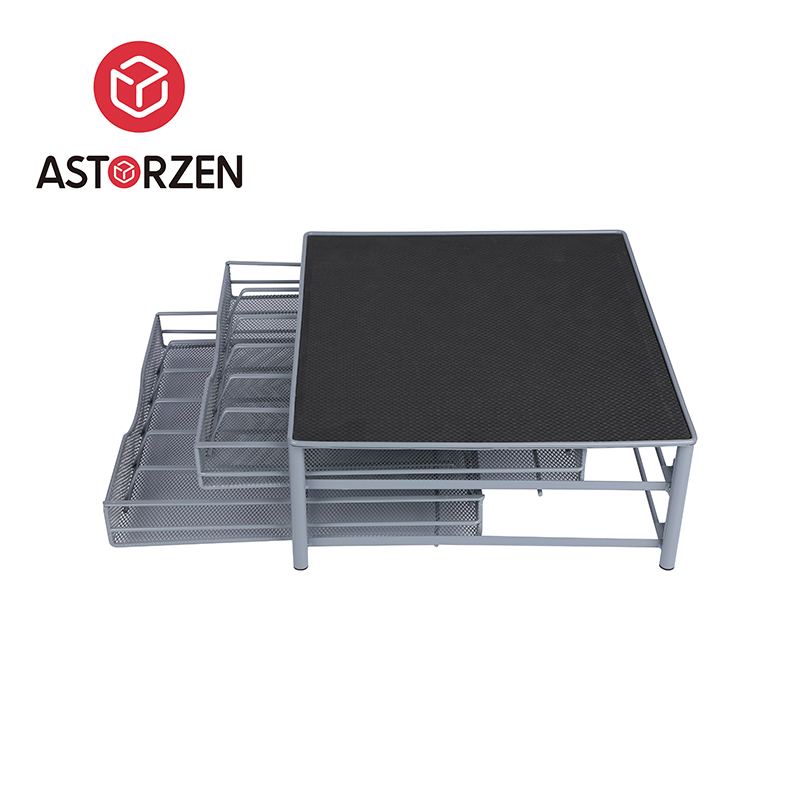 Desktop 2-Tier Coffee Capsule Placement Drawer
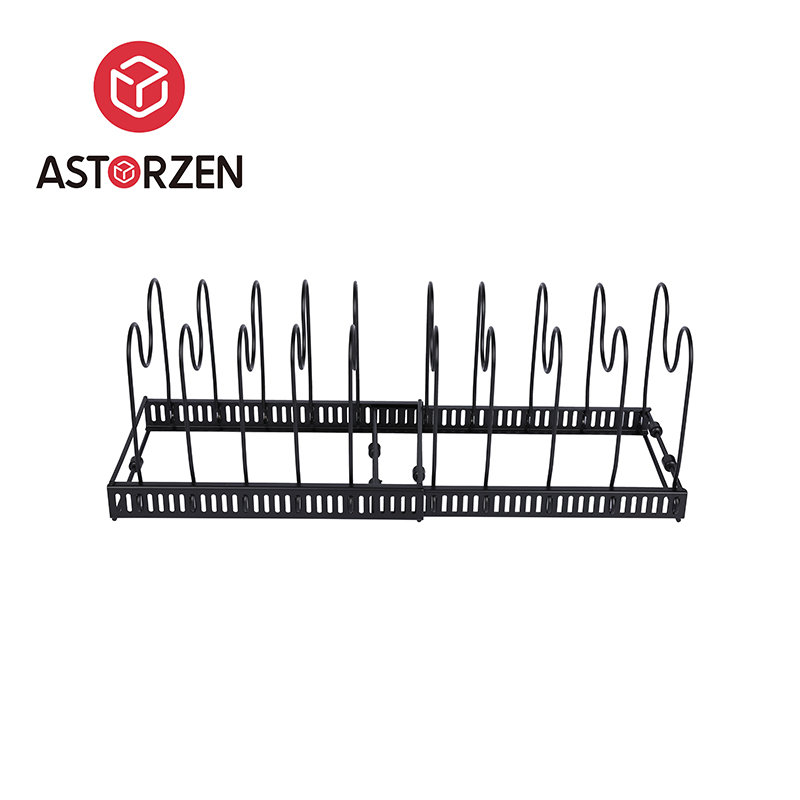 Adjustable Luxury Scalable Pot Rack Bowl Storage Rack
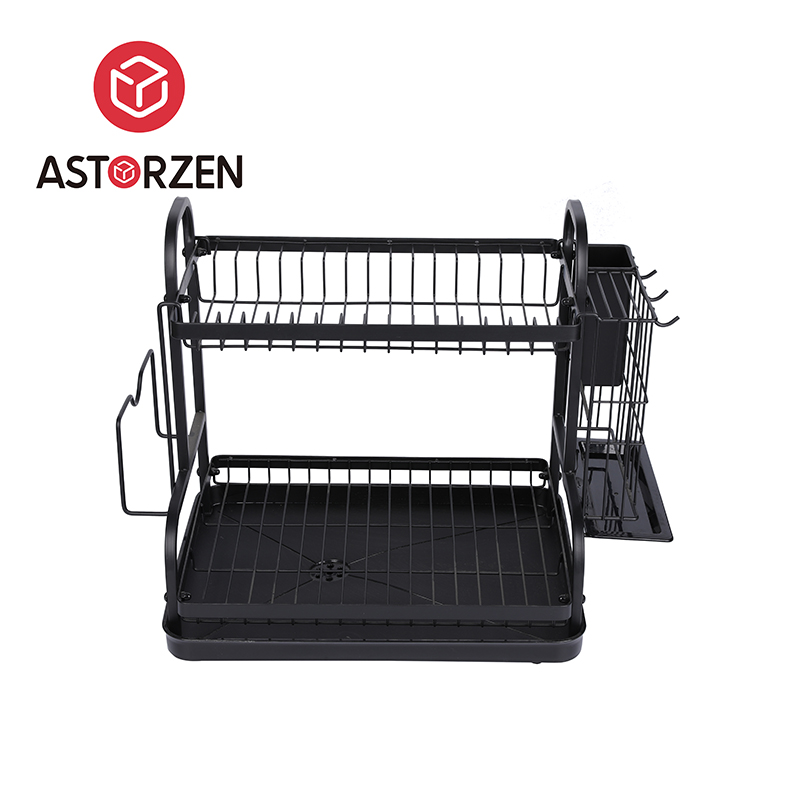 Multi-functional Metal Double-layer Dish And Bowl Draining Basket

Copyright 2025 Zhejiang Yacheng Industry and Trade Co., Ltd. All Rights Reserved.

