




 English
 日本語
日本語 русский
 عربى
عربى
Home / News / Industry News / Improving Fruit Storage Efficiency with Better Temperature Control and Handling Solutions
Industry News
Fresh fruit supply chains are facing increasing pressure from longer transportation distances, changing consumer expectations, and the need to reduce unnecessary losses during storage. For growers, distributors, and food processing companies, maintaining stable quality after harvest has become a key challenge. Fruit Storage solutions are designed to help businesses manage post-harvest conditions more effectively by controlling environmental factors, protecting freshness, and supporting smoother inventory management. As a manufacturer, we focus on developing practical storage solutions that meet the needs of commercial fruit handling operations.
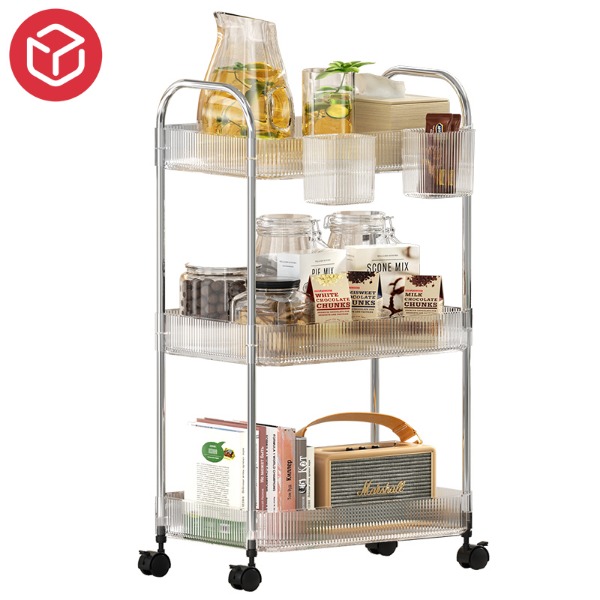
Maintaining Freshness Through Controlled Storage Conditions
Fruit quality can change quickly when storage conditions are not properly managed. Temperature fluctuations, excessive humidity, poor airflow, and unsuitable storage environments may affect texture, appearance, and shelf life. Commercial buyers are increasingly paying attention to fruit storage systems that provide stable conditions for different fruit varieties.
A suitable storage environment allows businesses to better organize seasonal supply, handle larger purchasing volumes, and reduce quality problems before products reach retailers. Modern fruit storage equipment often focuses on temperature regulation, ventilation design, and efficient space utilization, helping operators create a more reliable post-harvest management process.
Reducing Post-Harvest Losses with Practical Storage Planning
One of the major concerns for fruit suppliers is product loss caused by improper handling after harvest. Even high-quality fruit may experience damage if storage procedures are not matched with product characteristics. Different fruits have different requirements for temperature, humidity, and airflow, which means storage planning should be based on actual operational needs.
For wholesalers, supermarkets, and food companies, a well-designed storage solution can improve inventory flexibility. Instead of rushing products into the market, businesses can better manage supply schedules and respond to demand changes. This approach helps create a more balanced workflow from farm collection to final distribution.
Improving Warehouse Performance with Organized Storage Design
Efficient use of storage space is another important factor for fruit businesses. Traditional storage areas may face problems such as difficult product access, uneven cooling, and complicated inventory tracking. These issues can increase labor costs and affect daily operation efficiency.
Manufacturers are now paying more attention to storage layouts that support easier loading, unloading, and maintenance. Adjustable storage arrangements, optimized airflow paths, and user-friendly designs help businesses create cleaner and more organized warehouse environments. For companies handling different fruit categories, flexible storage planning provides better operational control.
Supporting Long-Distance Fruit Transportation Requirements
Global fruit distribution requires reliable storage performance throughout the supply chain. During transportation and temporary storage, fruits may encounter environmental changes that influence product quality. Buyers are looking for solutions that can support stable conditions from collection points to distribution centers.
Fruit storage systems used in commercial environments need to consider transportation schedules, regional climate differences, and handling frequency. By combining suitable equipment with proper management practices, suppliers can improve consistency and reduce quality variations during delivery. This is especially important for businesses working with imported fruits, seasonal products, and large-volume orders.
Choosing Storage Solutions Based on Business Needs
Different businesses require different approaches to fruit preservation. A small distribution center may focus on flexible capacity and easy operation, while a large processing facility may require stronger storage management capabilities and continuous operation support.
When selecting a fruit storage solution, buyers should evaluate factors such as storage capacity, energy efficiency, maintenance requirements, and compatibility with existing facilities. Working with an experienced manufacturer can help companies choose suitable configurations instead of investing in unnecessary functions. Professional guidance also helps improve long-term usage value and reduce operational difficulties.
Manufacturing Expertise Behind Reliable Storage Applications
As a manufacturer, we understand that commercial storage requirements are closely connected with real working environments. Our approach focuses on practical design, stable performance, and solutions that support different business scenarios. From material selection to production processes, every step is developed around durability, usability, and consistent operation.
We work with customers to understand their storage challenges, including space limitations, product types, and workflow requirements. This enables us to provide solutions that are better aligned with actual applications rather than standard options that may not fit every project.
Building More Reliable Fruit Supply Chains with Better Storage Practices
The demand for efficient post-harvest management continues to grow as businesses seek better ways to protect product value and improve distribution efficiency. A well-planned Fruit Storage system helps suppliers maintain product quality, manage inventory, and create a more stable supply chain. By combining suitable storage technology with professional manufacturing support, companies can develop more reliable fruit handling operations and achieve better results in competitive international markets.


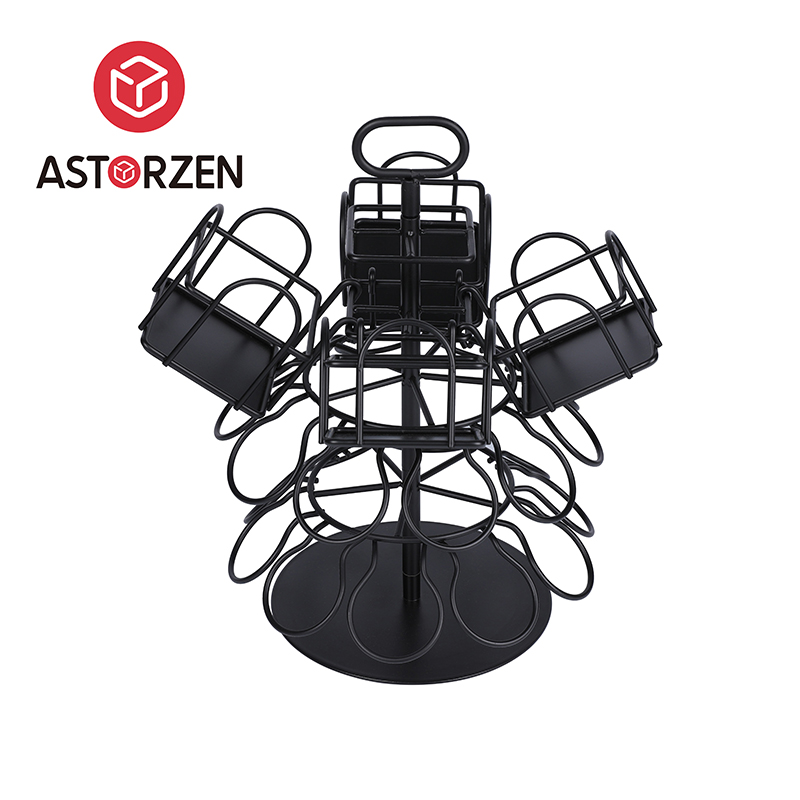 Large Capacity Top-Standing Rotatable Beverage And Coffee Storage Rack
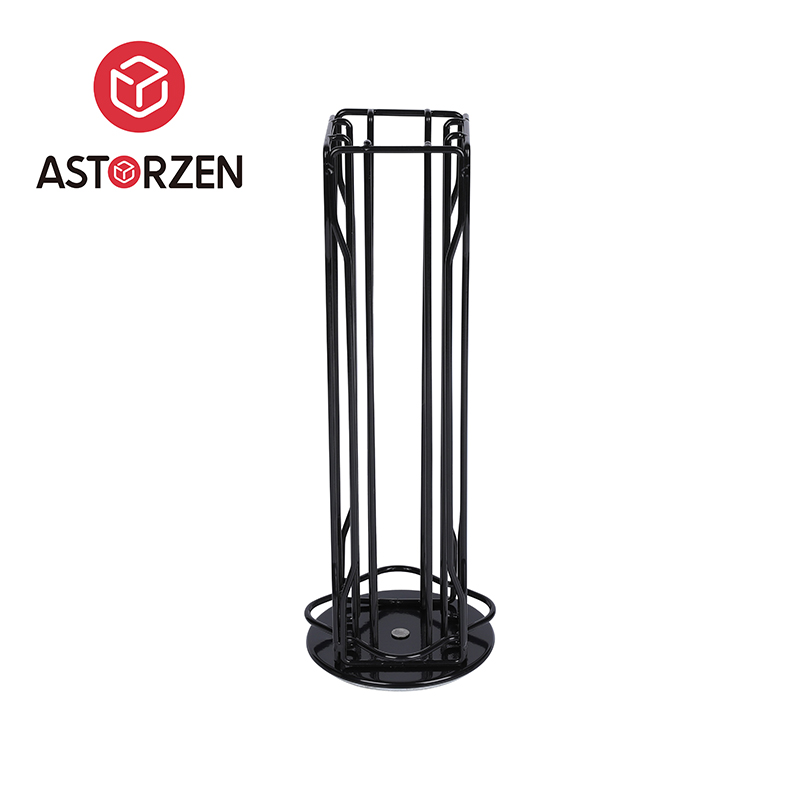 Living Room Vertical Stable Floor Stand Storage Rack for Coffee Capsules
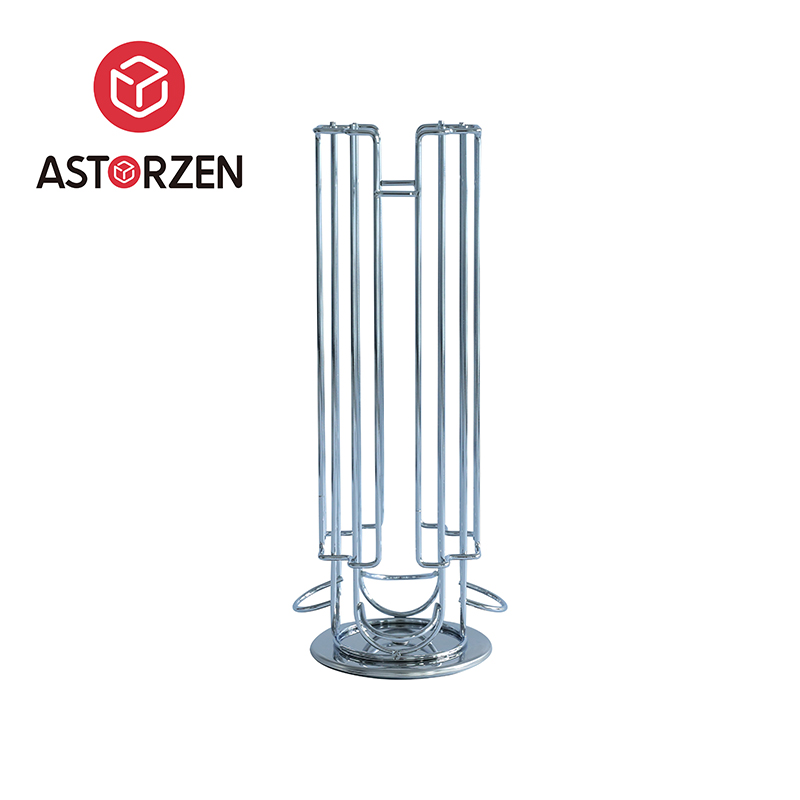 Commercial Vertical Rotatable Coffee Capsule Storage Rack
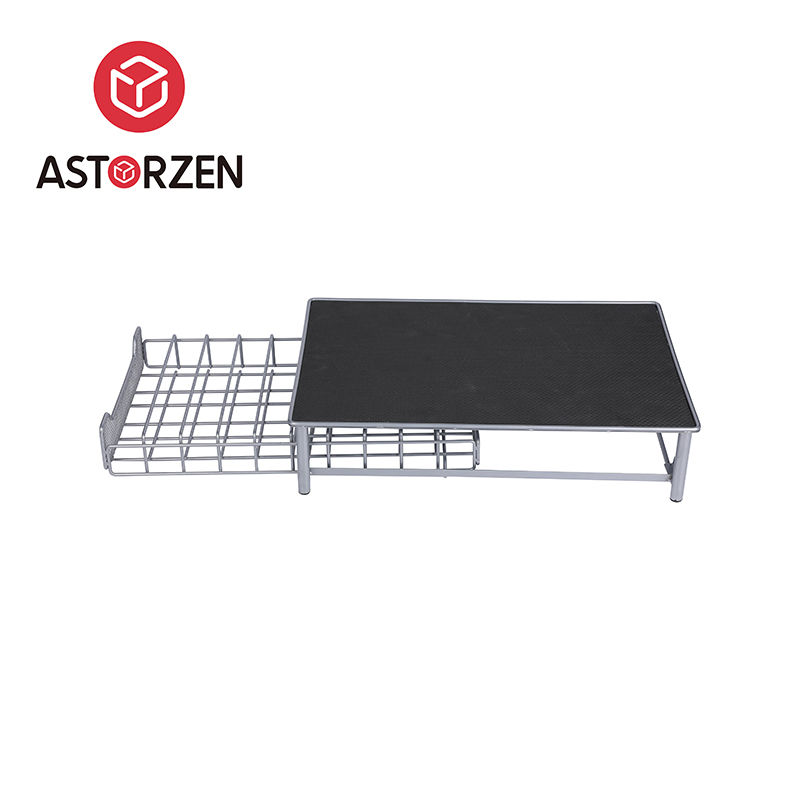 Modern Steel Storage Rack with Pull-Out Drawer for Coffee Capsules
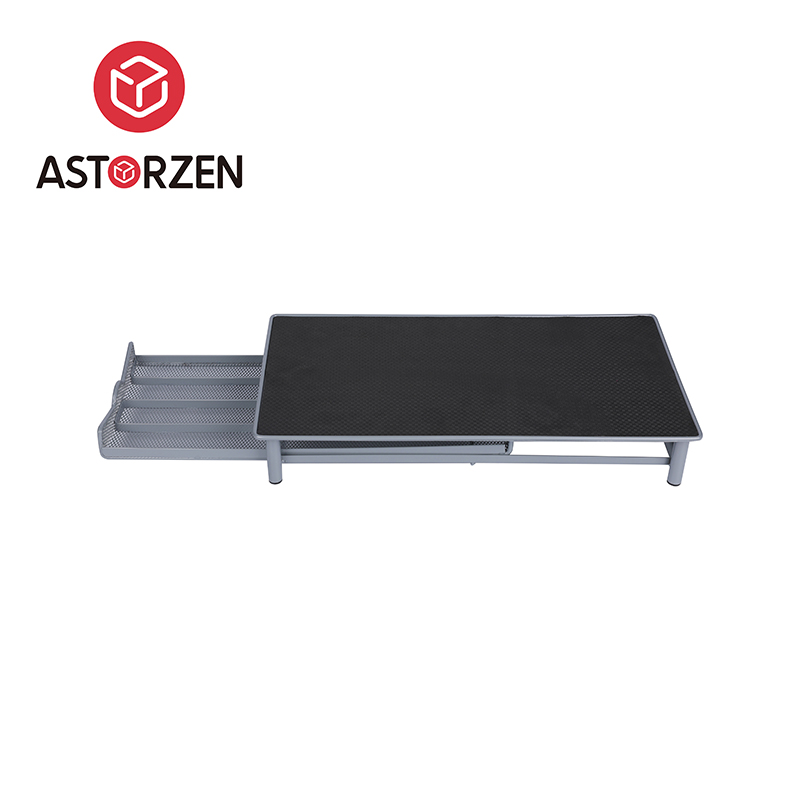 Fashionable Home Desktop Coffee Capsule Storage Drawer
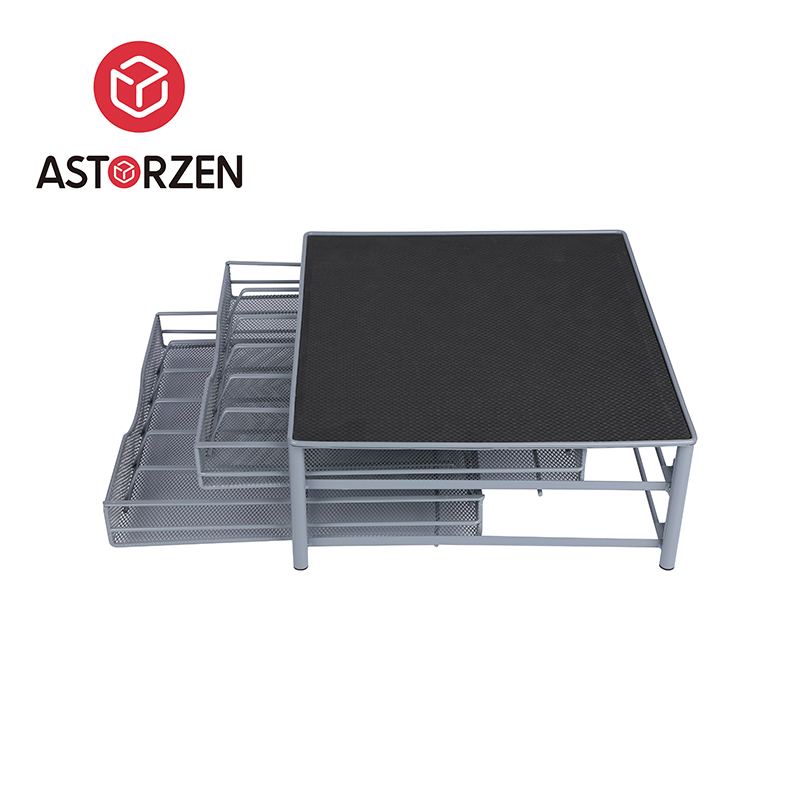 Desktop 2-Tier Coffee Capsule Placement Drawer
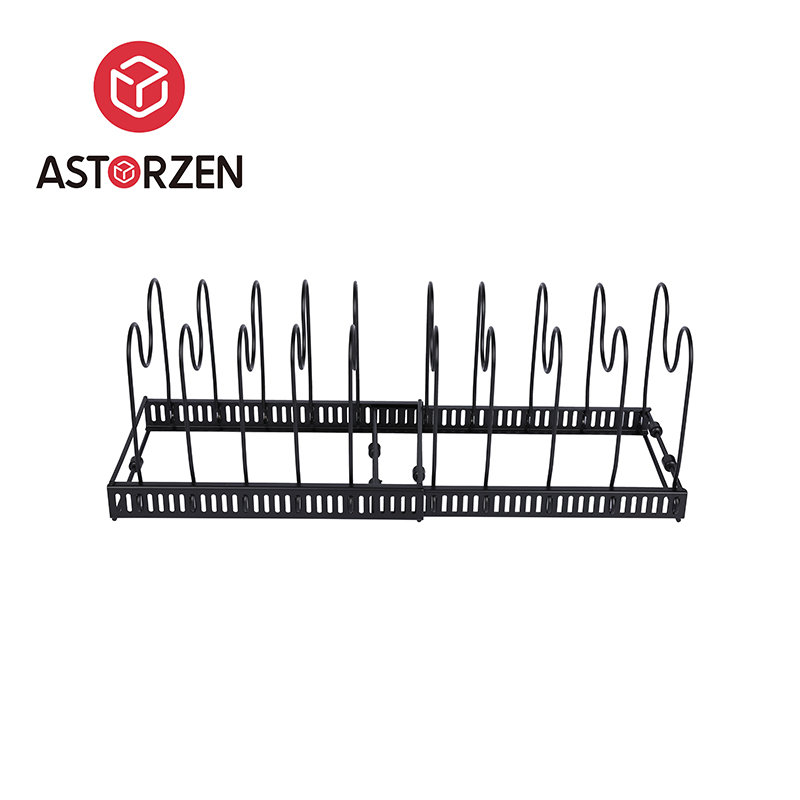 Adjustable Luxury Scalable Pot Rack Bowl Storage Rack
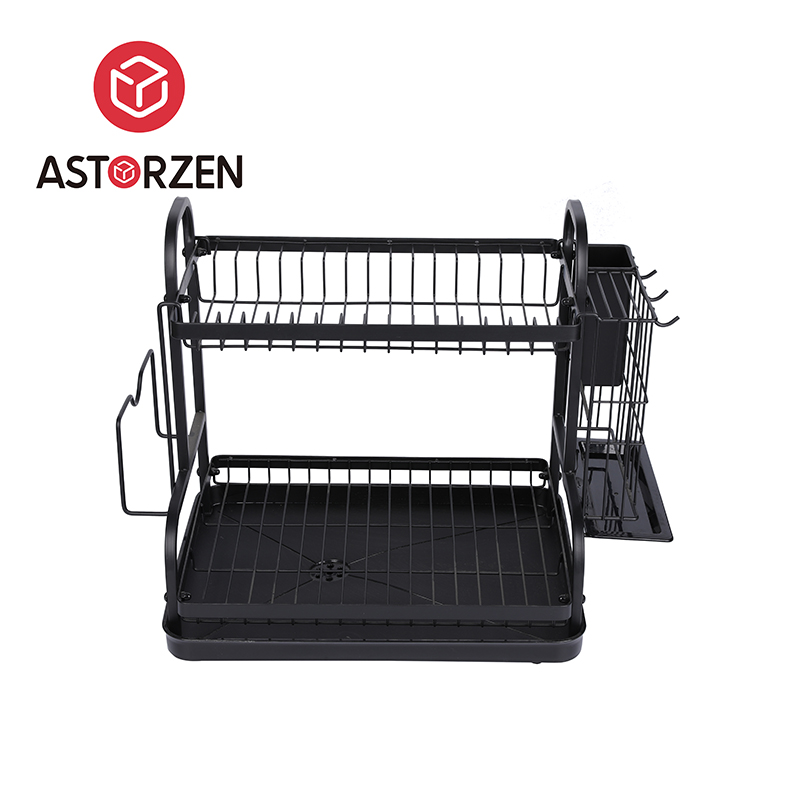 Multi-functional Metal Double-layer Dish And Bowl Draining Basket

Copyright 2025 Zhejiang Yacheng Industry and Trade Co., Ltd. All Rights Reserved.

