English
 日本語
日本語 русский
 عربى
عربىIndustry News
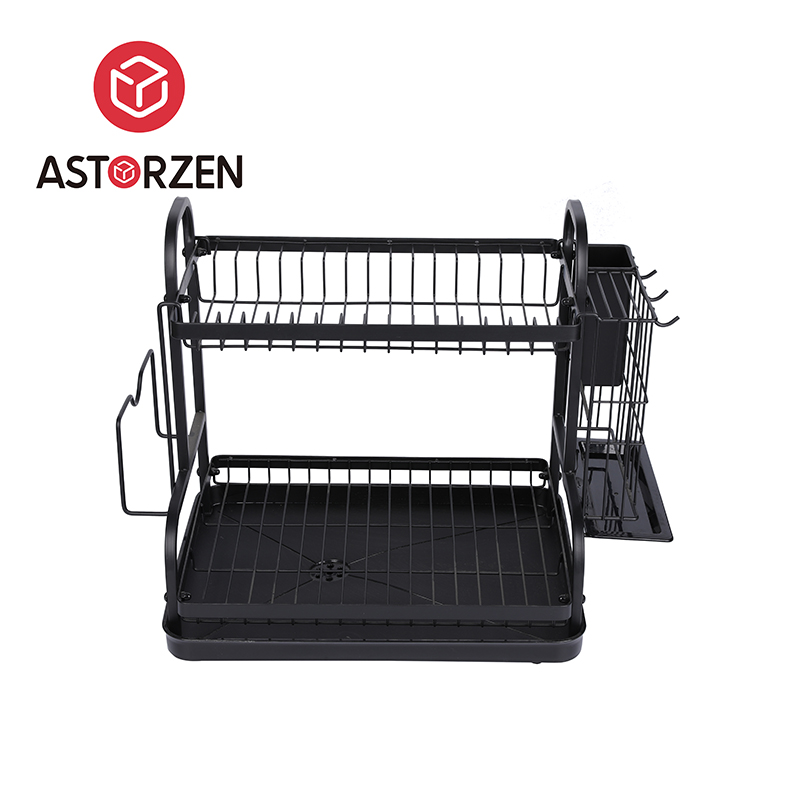
Many home cooks rely on a Kitchen Sink Dish Rack or other Kitchen Racks for organizing and drying hand-washed dishes, but user feedback consistently highlights a range of recurring frustrations. While drying racks are intended to make kitchen cleanup easier, poorly chosen or poorly designed models can cause issues like water buildup, rust, mold, space constraints, and usability headaches. Understanding these common complaints can help anyone make smarter decisions about what type of rack suits their kitchen and lifestyle better.
Water Pooling and Poor Drainage Design
One of the more frequent complaints users mention is poor drainage — water often pools beneath dishes or in catch trays instead of flowing directly into the sink. When the base of a rack is flat or lacks an angled surface and spout, water simply collects and can create puddles on your countertop. Pooled water is not just inconvenient; it slows drying, worsens odors, and can create a breeding ground for bacteria over time. Experts recommend choosing a dish rack with a tilted tray or a draining system that guides excess water back into the sink to solve this problem.
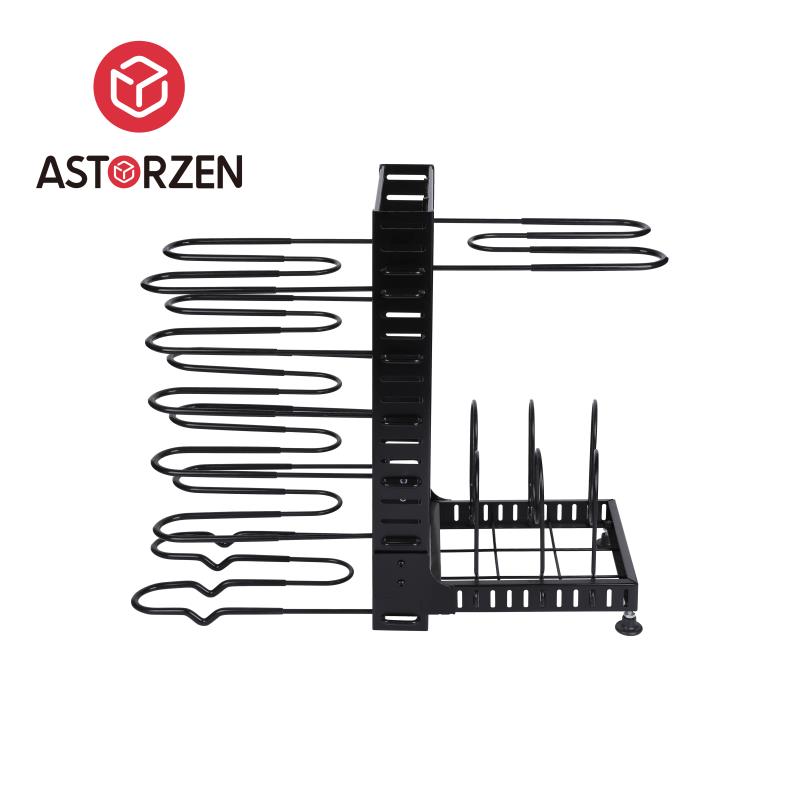
Rust, Mold, and Material Degradation
Users also report concerns about rust and mold growth — especially with racks made of lower-grade metal or coated wire that peels over time. Constant exposure to moisture weakens protective coatings and exposes metal frames to oxidation, causing rust spots that can mark dishes and utensils and ultimately compromise rack integrity. Moist areas with trapped water and limited airflow become susceptible to mold or mildew, which affects both aesthetics and hygiene. Many users say that weekly cleaning and drying after use helps, but choosing durable materials with good airflow is an even better way to minimize these issues.
Space and Compatibility Complaints
Another frequent topic in kitchen communities is space inefficiency. Standard dish racks often take up precious counter space, which is a bigger concern in compact apartments or small kitchens. People with corner or narrow sink areas struggle to fit typical dish racks comfortably, leaving them to search for compact or collapsible solutions. Even if a rack fits physically, users often find they must juggle it with prep space, appliances, or other storage racks — sometimes defeating the purpose of buying one in the place.
Plastic Warping and Fragility
Plastic dish racks are commonly chosen for affordability, but many users complain that these models warp, discolor, or crack with regular use. Heat from nearby appliances or dishwasher steam can accelerate this degradation, causing to an unstable drying platform over time. As one user described, brittle plastic can eventually fail, forcing them to find a replacement sooner than expected.
Difficulty in Cleaning and Maintenance
Cleaning dish racks properly can be surprisingly difficult, particularly when spaces between wires or corners collect food particles, soap residue, and hard water minerals. Some users on cleaning forums say their over-sink dish racks ended up caked with gunk that was hard to remove because pieces weren’t easily detachable. This makes regular maintenance more of a chore than many anticipated, and choosing designs that disassemble quickly for cleaning can make a big difference.
Conflicts Over Everyday Use
Dish rack usability isn’t just about physical design — it’s also about how it fits into daily kitchen routines. In online discussions, users mention how dishes can form unstable “jenga towers” when crowded into a rack, making it hard to access items below. Some people admit they end up washing and drying as they go to avoid piling dishes into a rack at all. Others balance between encouraging air drying for hygiene reasons vs the convenience of a drying rack.
Common Sense Tips to Tackle These Challenges
To address the problems above, many experienced users recommend a few practical tips:
- Choose materials wisely: Stainless steel or anti-rust finishes resist corrosion and longevity issues more effectively than basic plastic.
- Improve drainage: Look for racks with built-in angled trays or channels that naturally guide water back into the sink.
- Clean regularly: Weekly deep cleaning with mild vinegar or baking soda helps prevent mold growth and mineral buildup.
- Match size to space: Measure your sink and countertop before choosing a rack to ensure it doesn’t crowd your workflow.
Selecting a dish rack that supports your kitchen’s layout and your dish habits doesn’t have to be frustrating. While no single design solves every problem, being aware of these common complaints helps narrow choices and prioritize features that keep your kitchen cleaner, more functional, and comfortable to use. Zhejiang Yacheng Industry and Trade Co., Ltd. integrates user insights into products designed to address many of these pain points, offering a range of Kitchen Racks solutions focused on durability, smart drainage, and easier maintenance.