




 English
 日本語
 русский
 عربى
Home / News / Industry News / Under Sink Organizer Trends Focus on Easy Maintenance and Flexible Storage
Industry News
Kitchen and bathroom cabinets often need to accommodate more than their original designs anticipated. Cleaning products, spare toiletries, brushes, and refill bottles can quickly occupy the available space, particularly when plumbing limits shelf placement. A thoughtfully designed Under Sink Organizer helps households manage these items while keeping essential supplies visible and accessible. For manufacturers, retailers, and wholesale buyers, practical features that simplify everyday use are important considerations when developing storage products for overseas markets.

Closed storage containers can conceal small items and make it difficult to identify supplies at a glance. Open-frame organizers provide a clearer view of stored products, helping users locate detergent, cleaning cloths, and replacement bottles without removing everything from the cabinet.
This design can also make restocking more convenient. However, open baskets should have a suitable base and enough structural support for the intended contents. For product developers, balancing visibility with stability creates a more useful storage solution for busy households.
The space beneath a sink is often taller than the products stored inside it. A two-tier under sink organizer makes better use of this vertical clearance by separating frequently used accessories from larger containers.
For example, the lower section can hold detergent bottles and cleaning solutions, while the upper section accommodates sponges, brushes, and gloves. Buyers should pay attention to the distance between shelves, as insufficient clearance can make spray bottles difficult to store. Designs with adjustable tiers may provide additional flexibility for different household requirements.
Storage requirements can change when households switch cleaning products or reorganize their cabinets. Modular under sink storage systems offer flexibility by allowing users to rearrange baskets or combine compatible components according to available space.
From a manufacturing standpoint, modularity requires careful attention to connection design. Components should remain secure during normal use, and assembly should not require unnecessarily complicated instructions. For retailers, clearly explaining which parts are adjustable or interchangeable helps customers understand the product's actual capabilities before purchasing.
The cabinet beneath a sink may collect dust, detergent residue, and moisture from everyday activities. An organizer with smooth surfaces and accessible corners can make routine cleaning easier.
Material selection should reflect the intended application and target price range. Plastic designs may offer lightweight handling, while coated metal frames can provide a different balance of rigidity and appearance. Manufacturers should inspect surface consistency, edge finishing, and joint quality during production. Customers should also be advised to dry wet areas promptly and address plumbing leaks rather than relying on the organizer to protect the cabinet from water damage.
An organizer may appear suitable in product photographs but still fail to fit a particular cabinet. Drainpipes, door hinges, water valves, and cleaning equipment can all reduce the usable space.
Before ordering, buyers should confirm the following measurements:
Accurate measurements help reduce returns and make product selection more straightforward.
For importers, distributors, and private-label brands, product consistency is as important as design. Variations in frame dimensions, coating quality, basket alignment, or supplied accessories can create difficulties when products reach retail customers.
As manufacturers, we recommend checking assembled samples, verifying dimensions against approved specifications, and evaluating structural stability under the intended load. Clear assembly instructions and protective packaging can further improve the purchasing experience. Buyers should request documented material specifications and relevant test results when comparing suppliers.
Successful cabinet organization depends on making everyday items easier to store, locate, and maintain. Open baskets, flexible shelf arrangements, easy-clean surfaces, and plumbing-friendly dimensions address practical problems that consumers encounter in kitchens and bathrooms. For retailers and wholesale buyers expanding their home storage collections, a well-developed Under Sink Organizer can offer a useful combination of space efficiency, convenient access, and adaptable design for a variety of cabinet layouts.


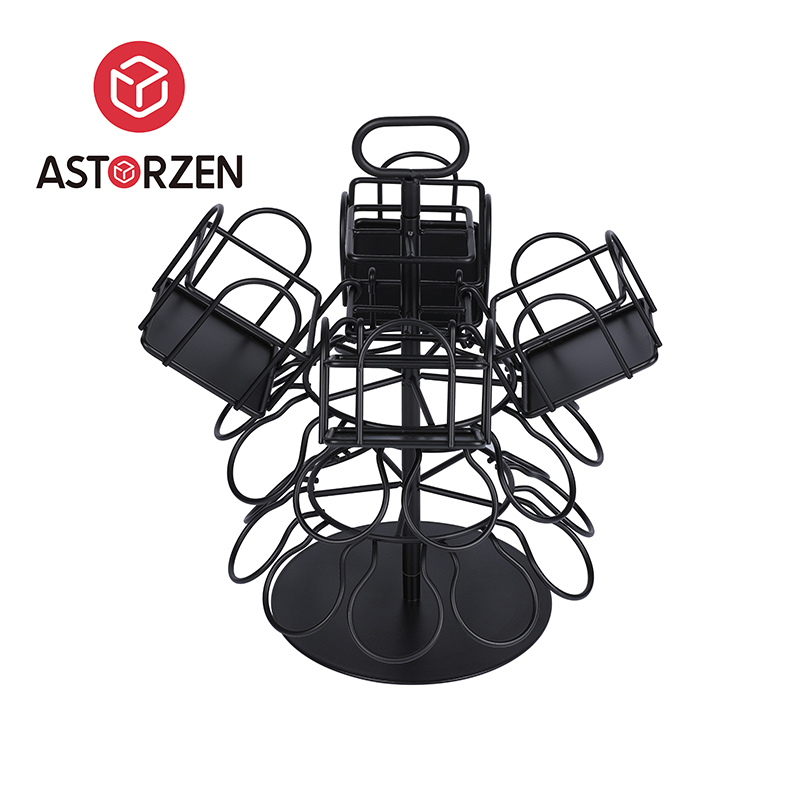 Large Capacity Top-Standing Rotatable Beverage And Coffee Storage Rack
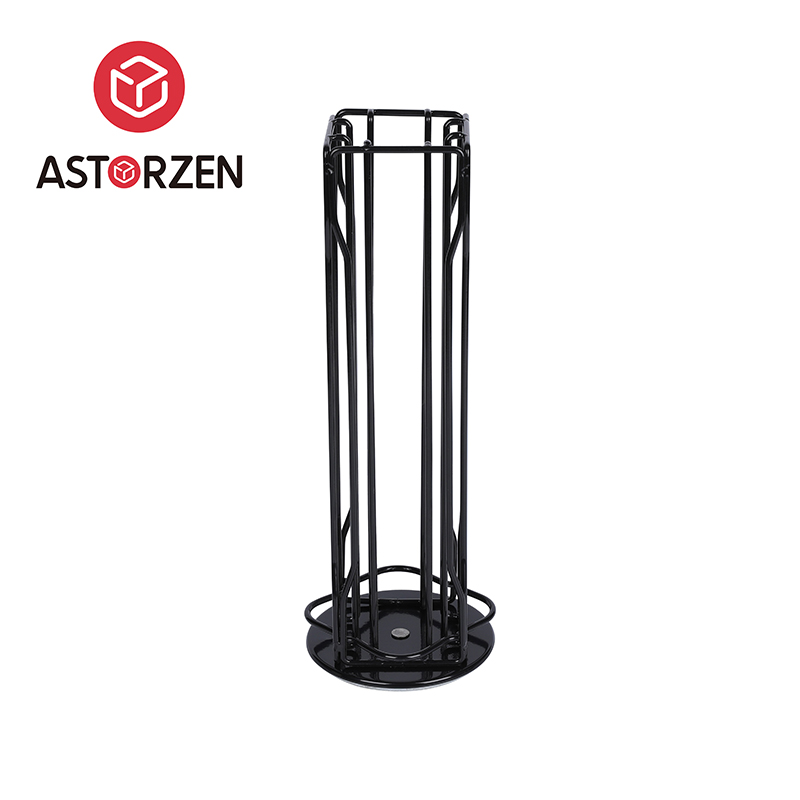 Living Room Vertical Stable Floor Stand Storage Rack for Coffee Capsules
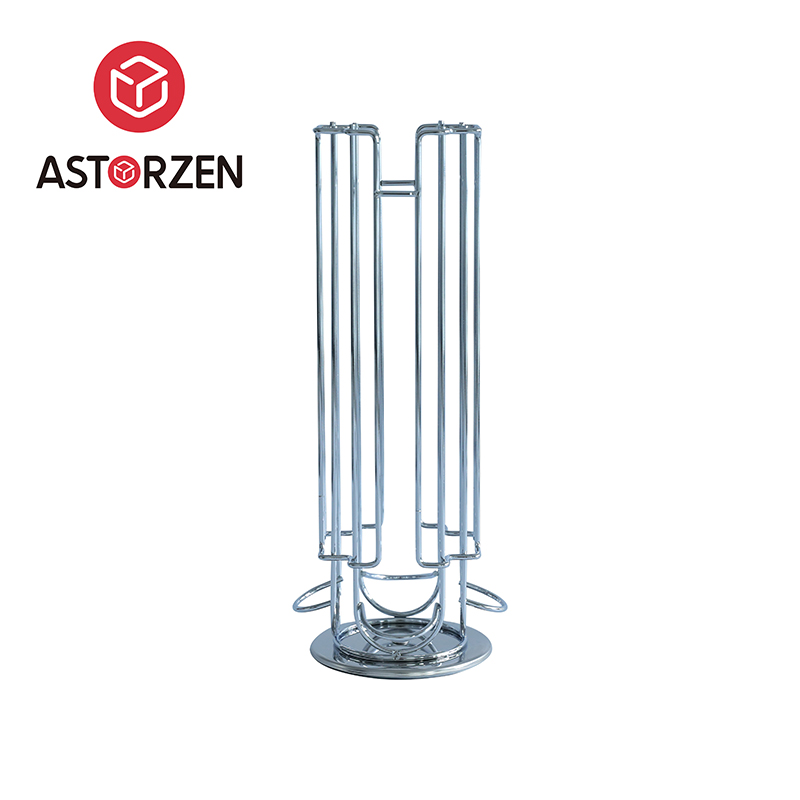 Commercial Vertical Rotatable Coffee Capsule Storage Rack
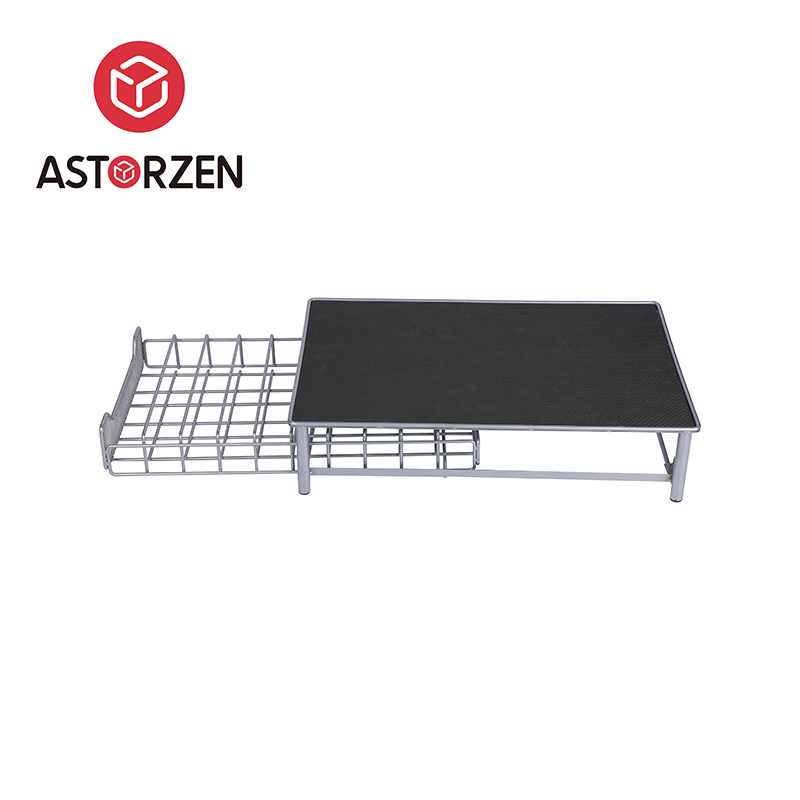 Modern Steel Storage Rack with Pull-Out Drawer for Coffee Capsules
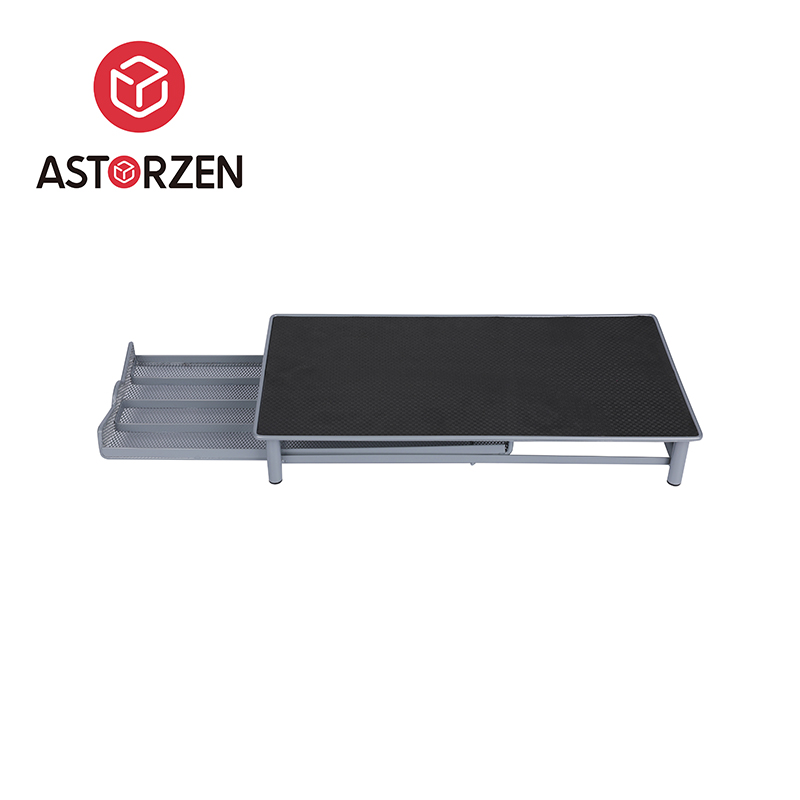 Fashionable Home Desktop Coffee Capsule Storage Drawer
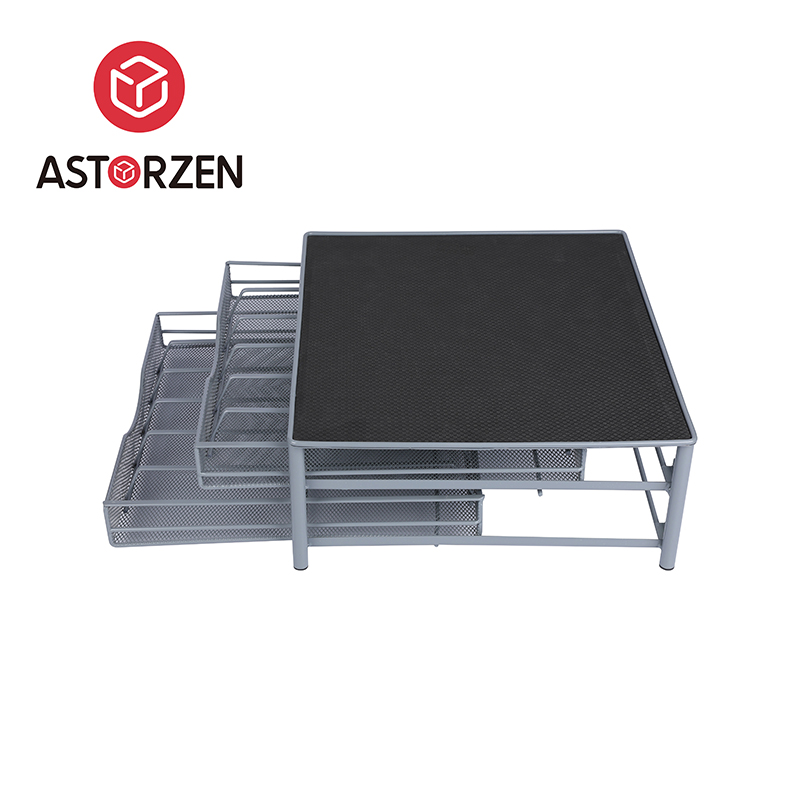 Desktop 2-Tier Coffee Capsule Placement Drawer
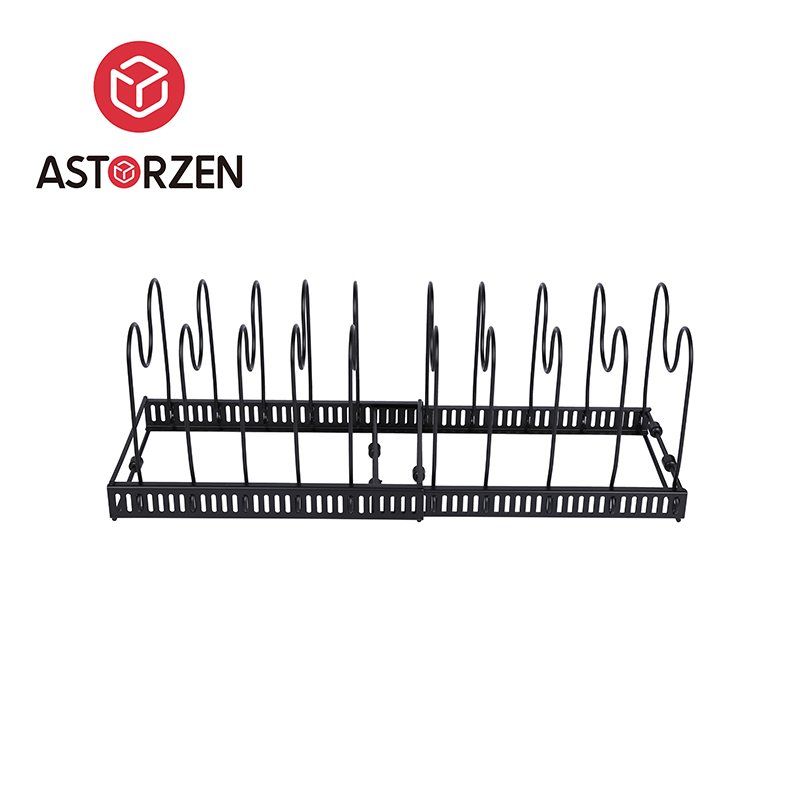 Adjustable Luxury Scalable Pot Rack Bowl Storage Rack
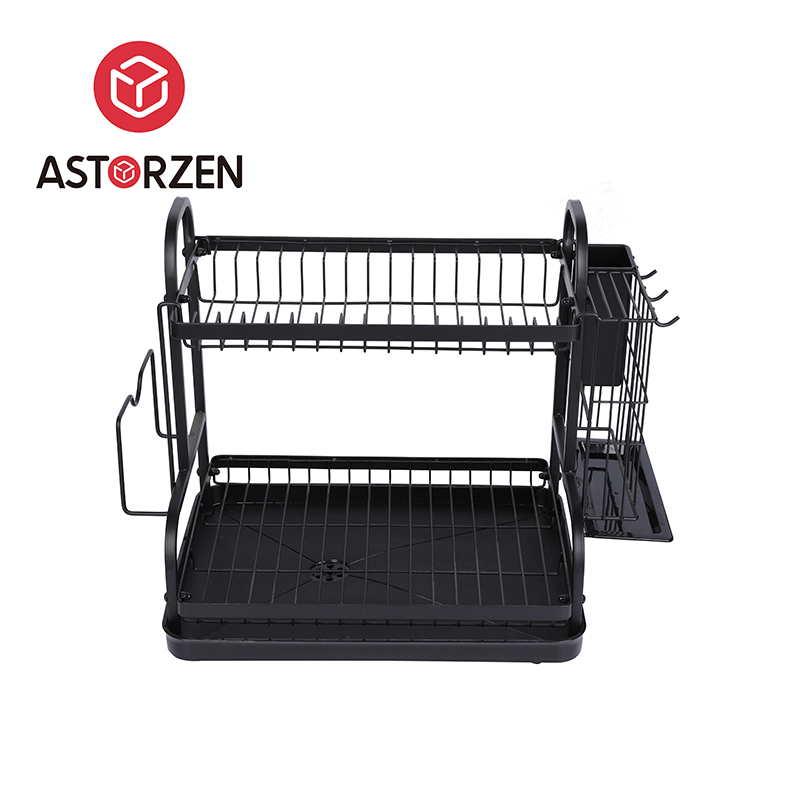 Multi-functional Metal Double-layer Dish And Bowl Draining Basket

Copyright 2025 Zhejiang Yacheng Industry and Trade Co., Ltd. All Rights Reserved.

