




 English
 日本語
日本語 русский
 عربى
عربى
Home / News / Industry News / Smart Under Sink Organizer Features for Compact Kitchens and Modern Bathrooms
Industry News
Limited cabinet space can make everyday cleaning routines unnecessarily complicated. Bottles become difficult to reach, small accessories disappear behind larger containers, and plumbing fixtures restrict where storage products can fit. A well-designed Under Sink Organizer helps address these issues by creating accessible storage zones without requiring changes to existing cabinetry. For homeowners, retailers, and wholesale buyers, the most useful designs combine flexible dimensions, stable construction, and straightforward maintenance.
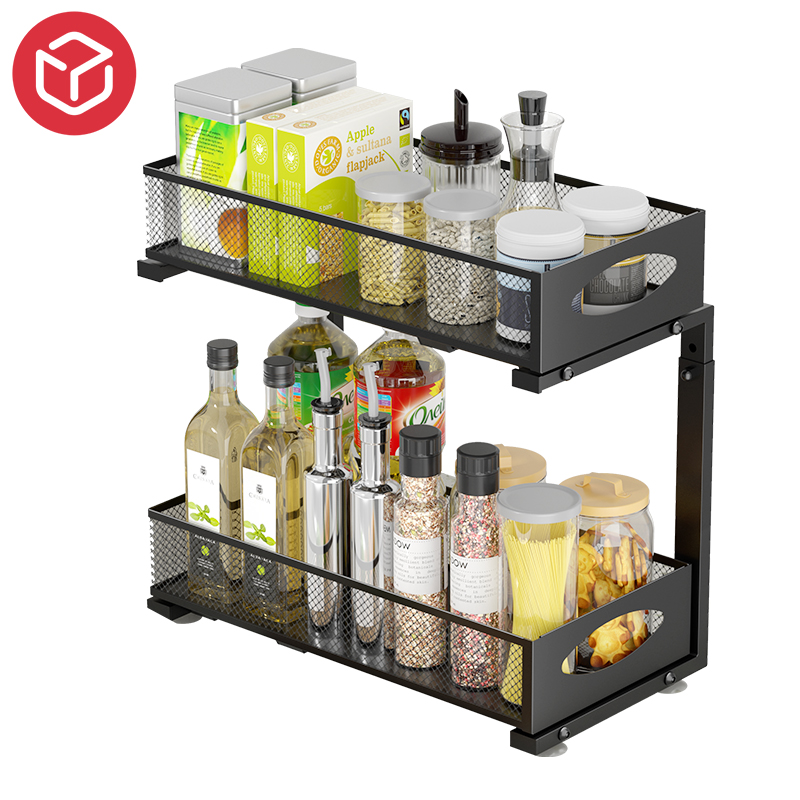
Not every sink cabinet has the same internal dimensions. Some feature a centrally positioned drainpipe, while others have water lines running along the sides. Fixed shelves may leave awkward gaps or prevent cabinet doors from closing properly.
An adjustable under sink storage rack offers greater flexibility for these conditions. Before selecting a product, buyers should measure the usable cabinet width, depth, and height, including the clearance needed around pipes and hinges. Expandable frames and adjustable shelf positions can accommodate different layouts, although the actual adjustment range should always match the product specifications.
Cleaning supplies often leave residue on cabinet surfaces, particularly when detergent bottles drip or damp sponges are stored nearby. Removable baskets allow users to take supplies out temporarily and clean the storage area without dismantling the entire organizer.
From a manufacturing perspective, basket design deserves careful attention. Smooth edges, secure connections, and practical handle placement can improve daily handling. Detachable components should also fit firmly into the frame during normal use. These details may appear minor, but they influence how convenient the product feels after months of regular use.
A common storage problem is the mismatch between shelf height and the items being stored. Tall spray bottles may not fit beneath a low upper tier, while small brushes and sponges waste valuable space on a large shelf.
A two-tier under sink organizer can improve the arrangement by assigning different storage levels to different product types. Taller containers can occupy the more spacious section, while smaller accessories remain grouped on the upper shelf. Open-sided baskets can make labels easier to read and help users identify products without removing several containers.
For product developers, the goal is to balance usable shelf area with sufficient clearance. An organizer should provide practical storage rather than simply adding more compartments.
Material choice influences appearance, cleaning requirements, and resistance to the conditions commonly found beneath sinks. Plastic organizers are often lightweight and easy to wipe clean, while coated metal structures can provide a different balance of rigidity and visual style.
When comparing products, buyers should examine:
Material suitability depends on the design and intended application. Even moisture-resistant materials require appropriate care, especially if the cabinet is exposed to persistent leaks.
Deep sink cabinets can be difficult to organize because items stored at the back are less accessible. A pull-out under sink organizer brings the contents forward, helping users reach frequently used products with less bending and rearranging.
Buyers should assess the sliding mechanism, available extension, and clearance between the moving basket and surrounding pipes. The cabinet door opening must also allow the organizer to move freely. For distributors, providing clear installation measurements can reduce compatibility concerns and help customers select a suitable model before ordering.
For importers and private-label brands, product development involves more than choosing an attractive shape. Packaging dimensions, assembly instructions, accessory consistency, and quality-control procedures can all affect the final customer experience.
Manufacturers should provide verified dimensions, material details, assembly guidance, and load-capacity specifications supported by appropriate testing. Product samples can help buyers assess stability, finish quality, and fit before confirming a bulk order. Consistent packaging and clear product photography can also make online listings more informative.
A functional storage solution should respond to the cabinet's actual limitations rather than force users to adapt their daily routines. Adjustable frames, removable baskets, practical shelf spacing, and accessible layouts can make small storage areas easier to manage. For retailers and distributors developing their kitchen and bathroom storage ranges, a thoughtfully designed Under Sink Organizer offers a practical way to meet everyday organization needs while providing customers with a clearer, more convenient use of existing cabinet space.


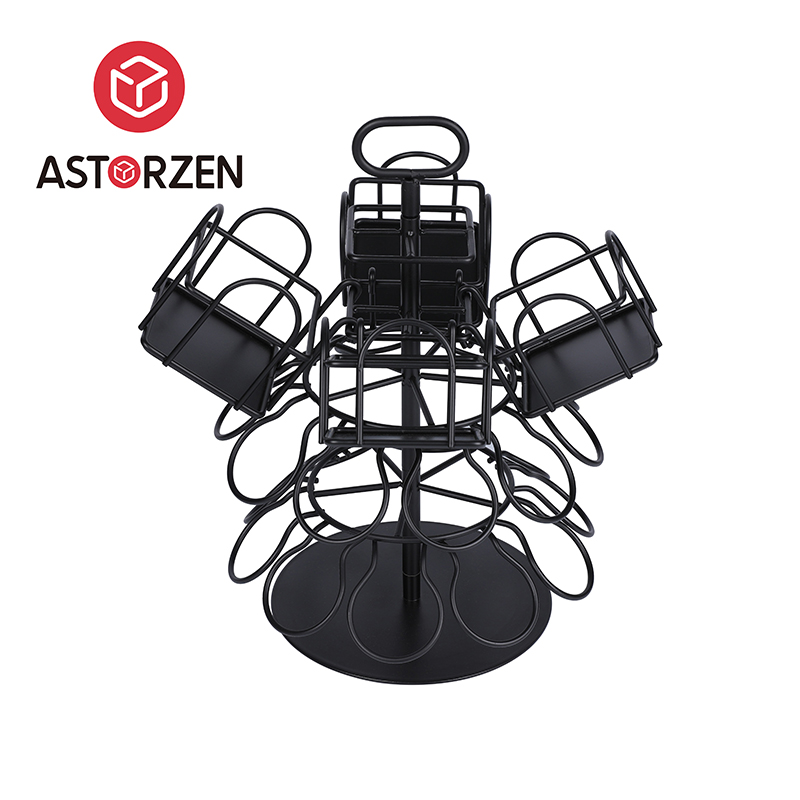 Large Capacity Top-Standing Rotatable Beverage And Coffee Storage Rack
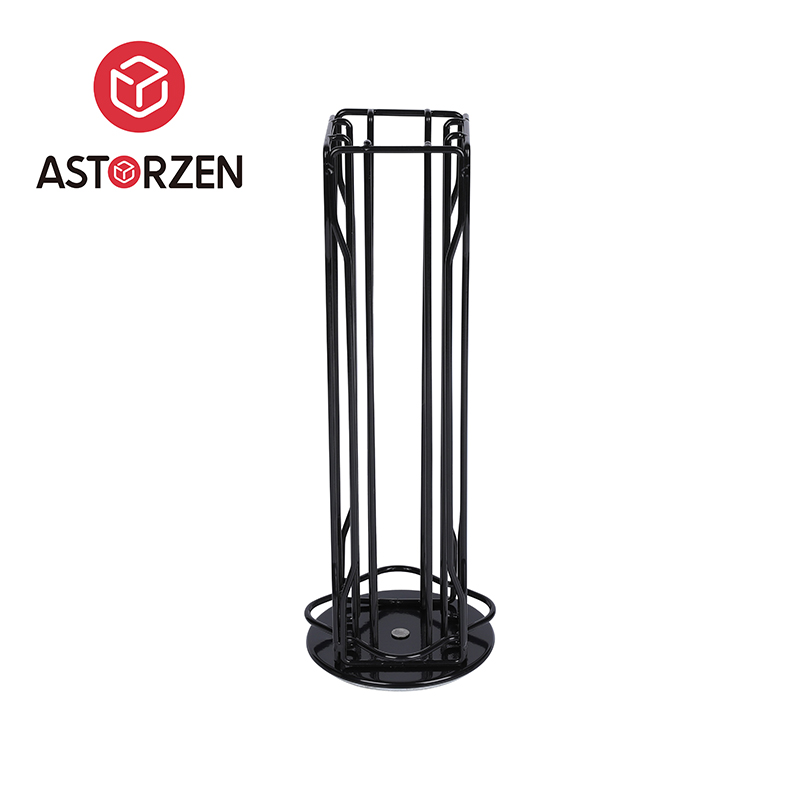 Living Room Vertical Stable Floor Stand Storage Rack for Coffee Capsules
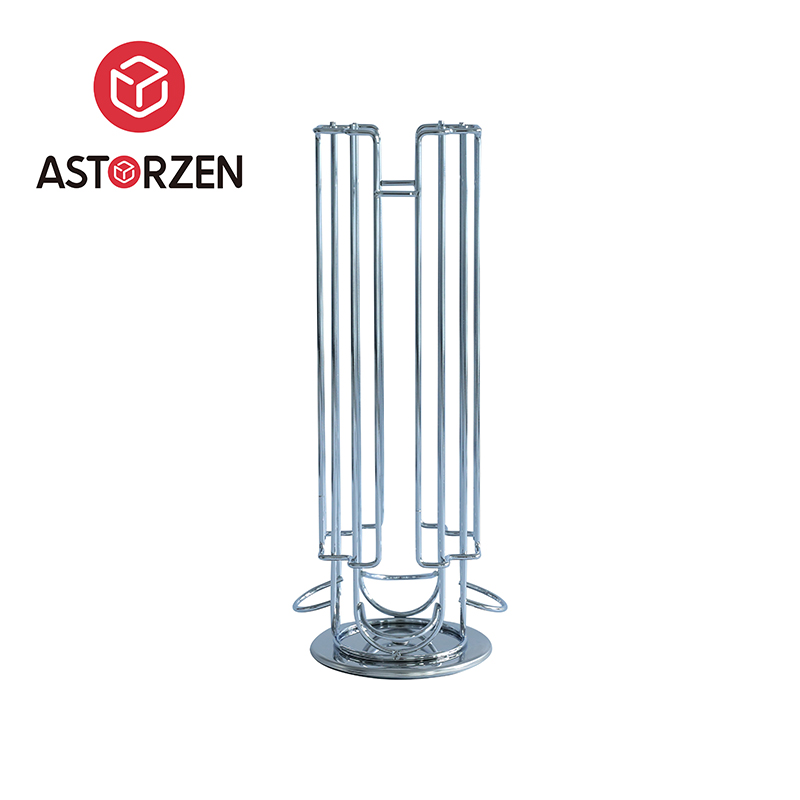 Commercial Vertical Rotatable Coffee Capsule Storage Rack
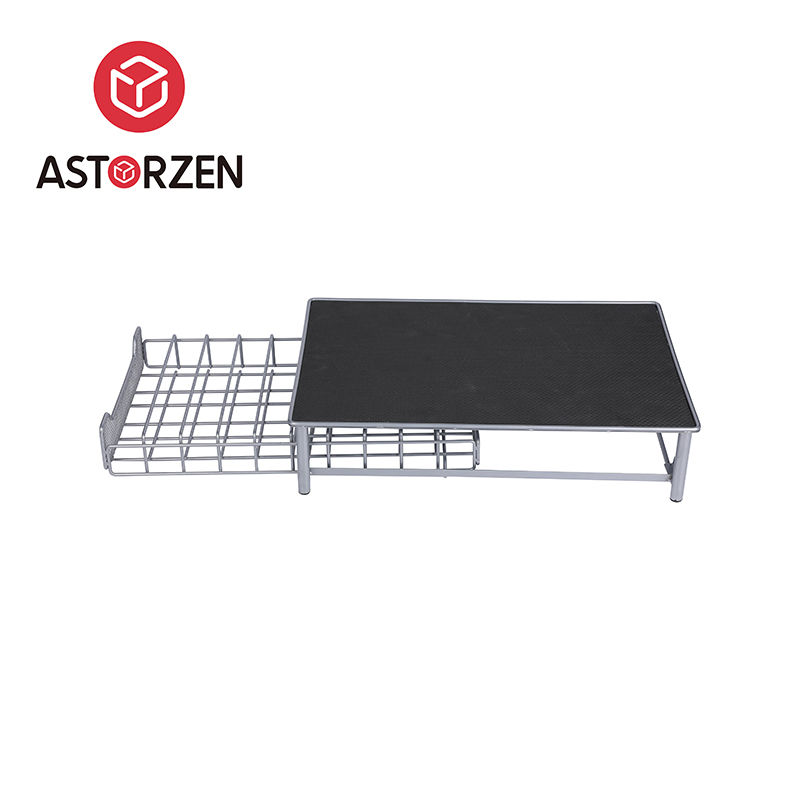 Modern Steel Storage Rack with Pull-Out Drawer for Coffee Capsules
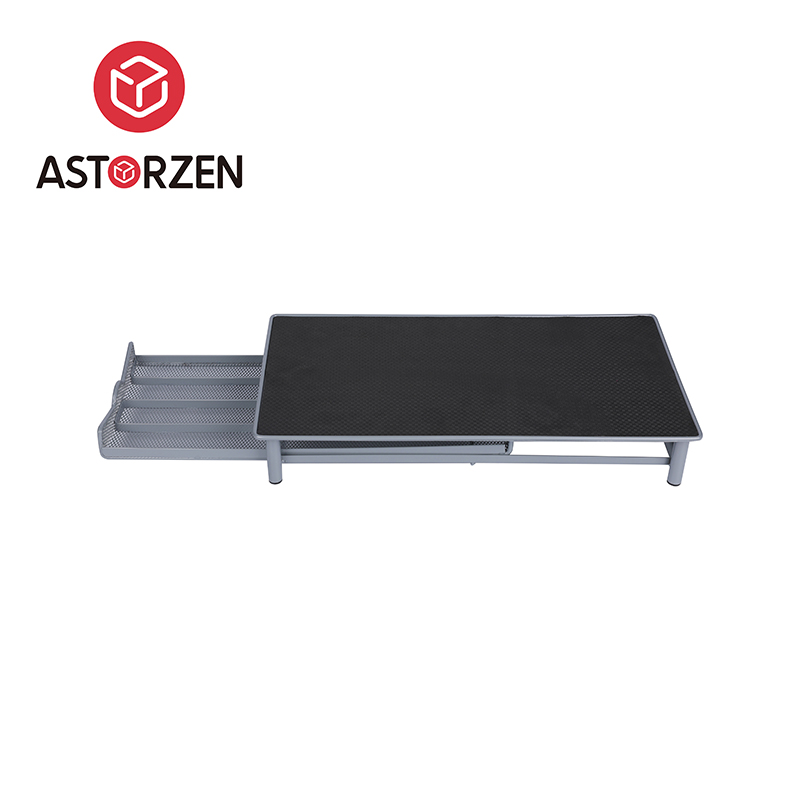 Fashionable Home Desktop Coffee Capsule Storage Drawer
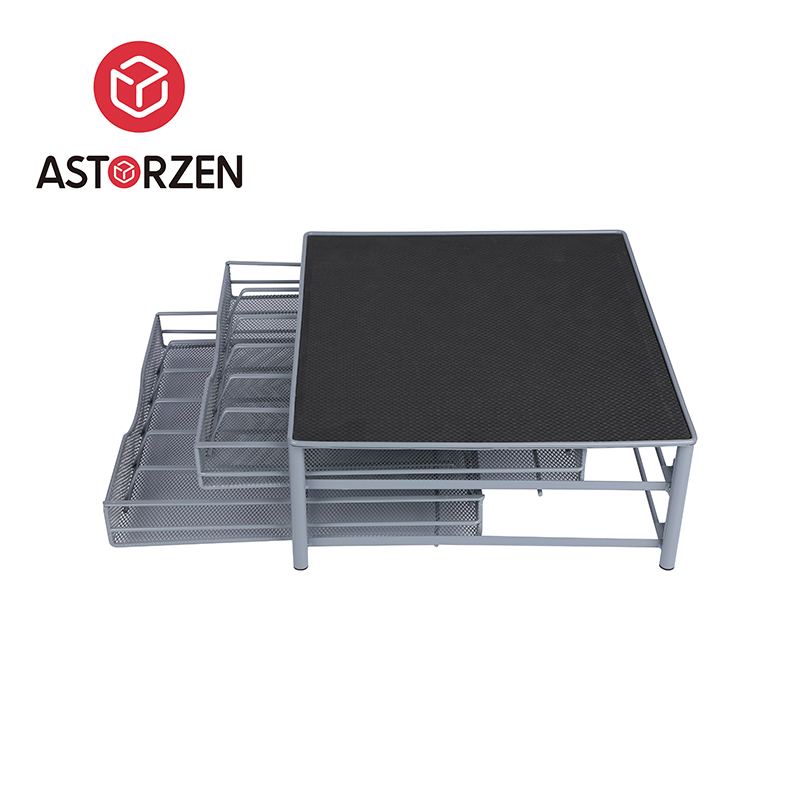 Desktop 2-Tier Coffee Capsule Placement Drawer
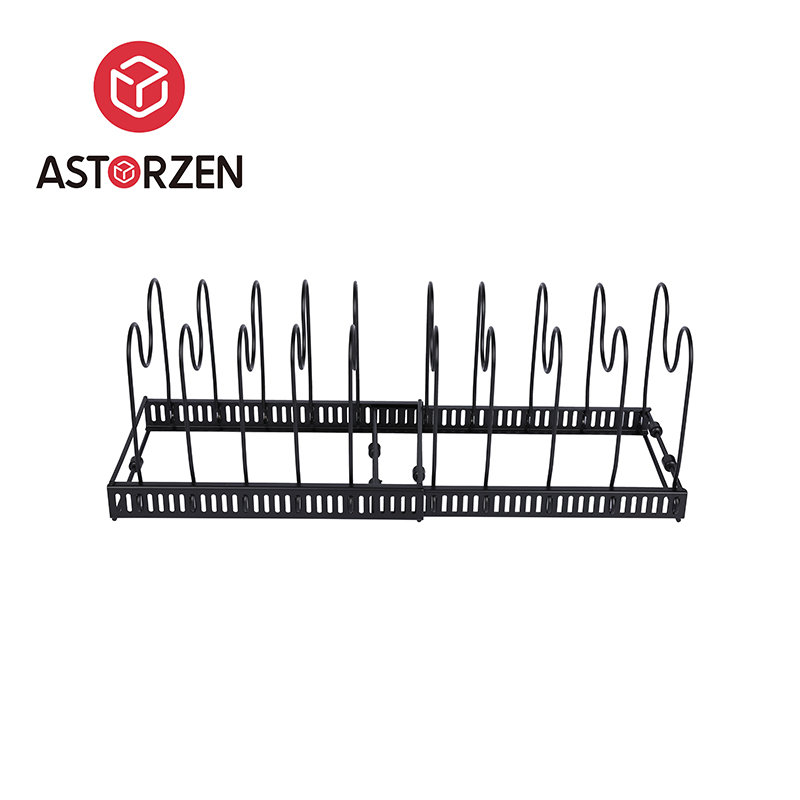 Adjustable Luxury Scalable Pot Rack Bowl Storage Rack
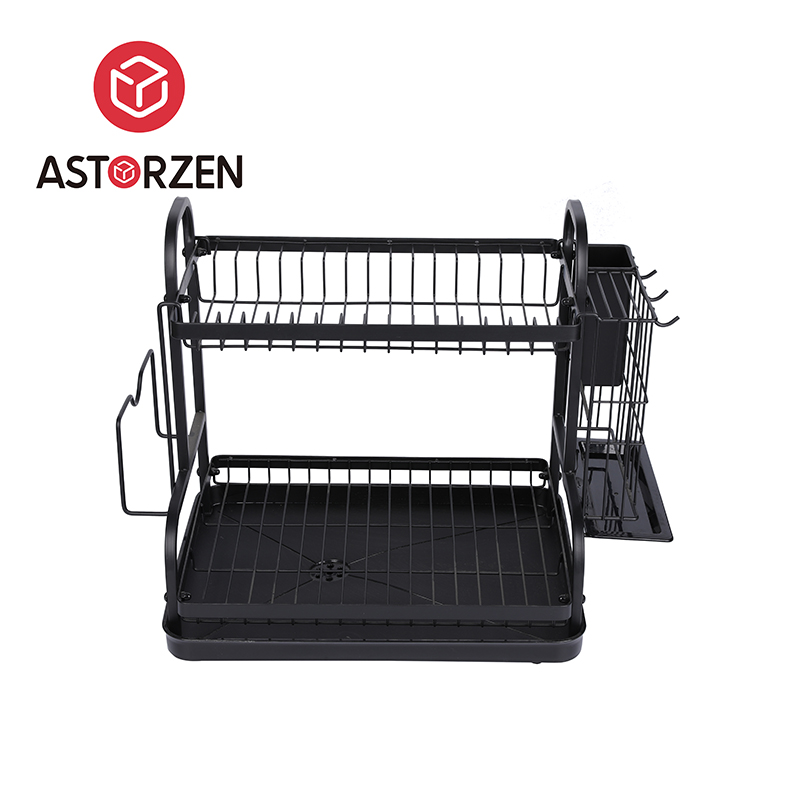 Multi-functional Metal Double-layer Dish And Bowl Draining Basket

Copyright 2025 Zhejiang Yacheng Industry and Trade Co., Ltd. All Rights Reserved.

