




 English
 日本語
日本語 русский
 عربى
عربى
Home / News / Industry News / Practical Under Sink Organizer Designs for Better Cabinet Storage and Everyday Access
Industry News
An Under Sink Organizer can transform a cluttered kitchen cabinet into a more functional storage area without requiring a full renovation. However, the space beneath a sink presents specific challenges, including drainpipes, water supply lines, cleaning bottles of different sizes, and limited cabinet depth. For homeowners, retailers, and wholesale buyers, the key is choosing a storage solution that accommodates these obstacles while keeping frequently used items easy to reach.
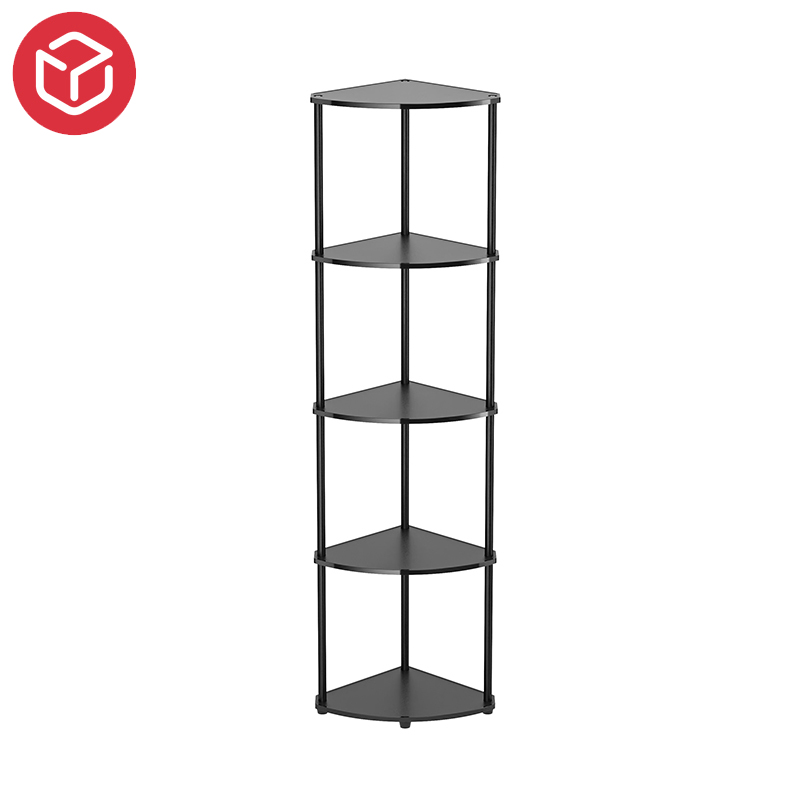
One common reason storage organizers fail to meet expectations is that their dimensions do not account for existing plumbing. A conventional rectangular shelf may occupy too much space around the drainpipe, leaving part of the cabinet unusable.
As a manufacturer, we recommend evaluating the cabinet's internal width, depth, height, and pipe position before selecting a design. An L-shaped under sink storage rack or a two-tier organizer with an open center can provide more practical access around plumbing components. Adjustable shelf heights and flexible layouts also help accommodate different cabinet configurations.
Many sink cabinets have unused vertical space, especially when cleaning supplies are stored directly on the bottom panel. A two-tier under sink organizer creates separate levels for different product categories without requiring additional cabinetry.
The lower level can accommodate taller detergent bottles, dishwashing liquid, and refill containers, while the upper level holds sponges, brushes, gloves, and smaller accessories. Buyers should check the clearance between shelves before purchasing, particularly when storing trigger-spray bottles. A well-proportioned design improves accessibility while reducing the need to move several items to retrieve one product.
Deep cabinets often make small products difficult to locate. Items pushed toward the back can remain unused simply because reaching them is inconvenient. A pull-out under sink organizer addresses this problem by bringing stored supplies closer to the cabinet opening.
When evaluating sliding designs, buyers should consider rail stability, basket clearance, and the space required for smooth movement. Removable baskets can also simplify cleaning and restocking. For wholesale buyers and private-label brands, these features offer practical selling points because they address everyday frustrations rather than relying on appearance alone.
The area beneath a sink may experience occasional splashes, condensation, or leaks. Material selection therefore affects product maintenance and service life. Coated metal, suitable plastics, and other moisture-conscious materials can serve different price points and design preferences.
Manufacturers should pay attention to coating consistency, edge finishing, connection strength, and the stability of the assembled structure. Ventilated baskets may also help water drain away instead of collecting around stored items. However, no organizer should be treated as a substitute for repairing plumbing leaks or keeping the cabinet dry.
Even a well-designed rack can become cluttered without a simple organization plan. Grouping supplies by purpose makes everyday tasks easier and helps households avoid unnecessary purchases.
This approach makes the cabinet easier to maintain while allowing users to identify missing supplies quickly.
For importers, distributors, and retailers, product evaluation should extend beyond appearance and unit price. Cabinet compatibility, packaging efficiency, assembly requirements, finish quality, and clear installation instructions all influence the customer experience.
A manufacturer can support purchasing decisions by providing accurate product dimensions, material specifications, load-capacity information supported by testing, and samples for fit assessment. Retailers should also consider whether adjustable or modular designs suit a wider range of cabinet layouts without introducing unnecessary product complexity.
Effective cabinet organization begins with understanding how people actually use the space. By combining plumbing-friendly structures, accessible storage levels, durable materials, and practical compartment layouts, manufacturers can develop products that address real household needs. For retailers and distributors seeking a versatile Under Sink Organizer, prioritizing measurable product quality and cabinet compatibility helps build a stronger product offering for modern kitchens and bathrooms.


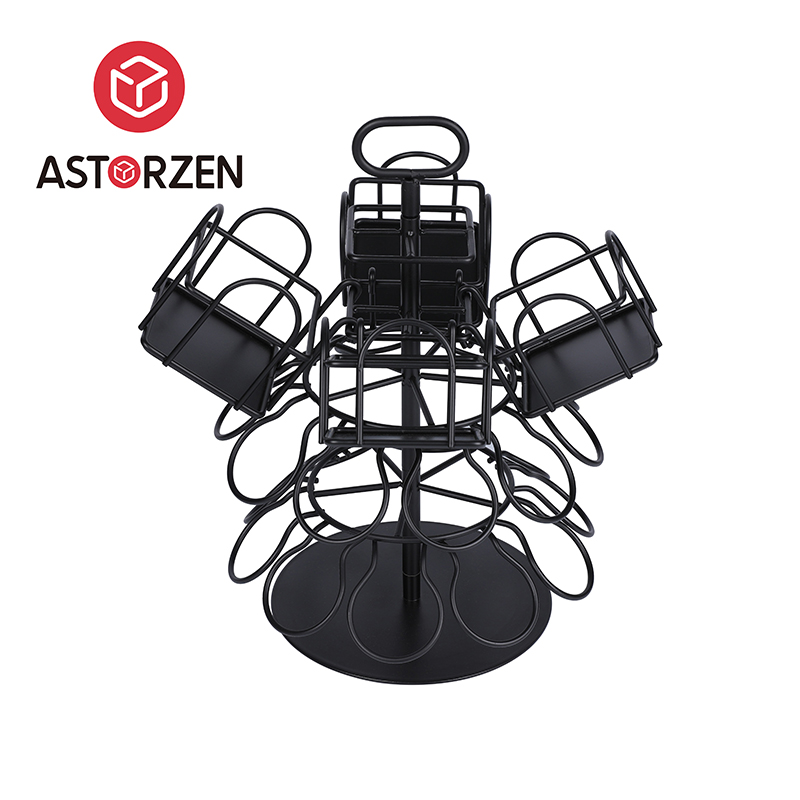 Large Capacity Top-Standing Rotatable Beverage And Coffee Storage Rack
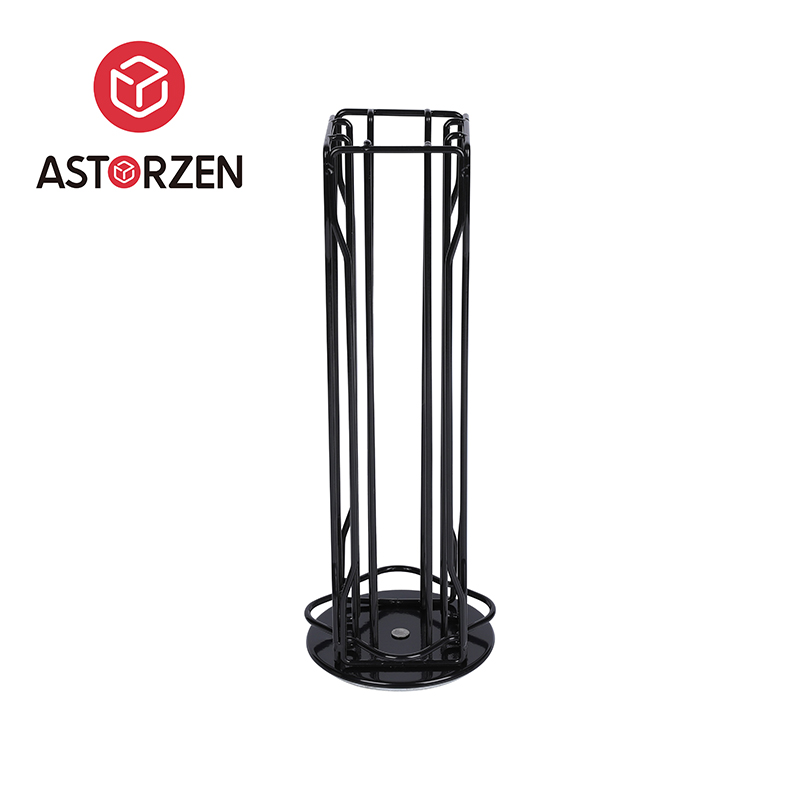 Living Room Vertical Stable Floor Stand Storage Rack for Coffee Capsules
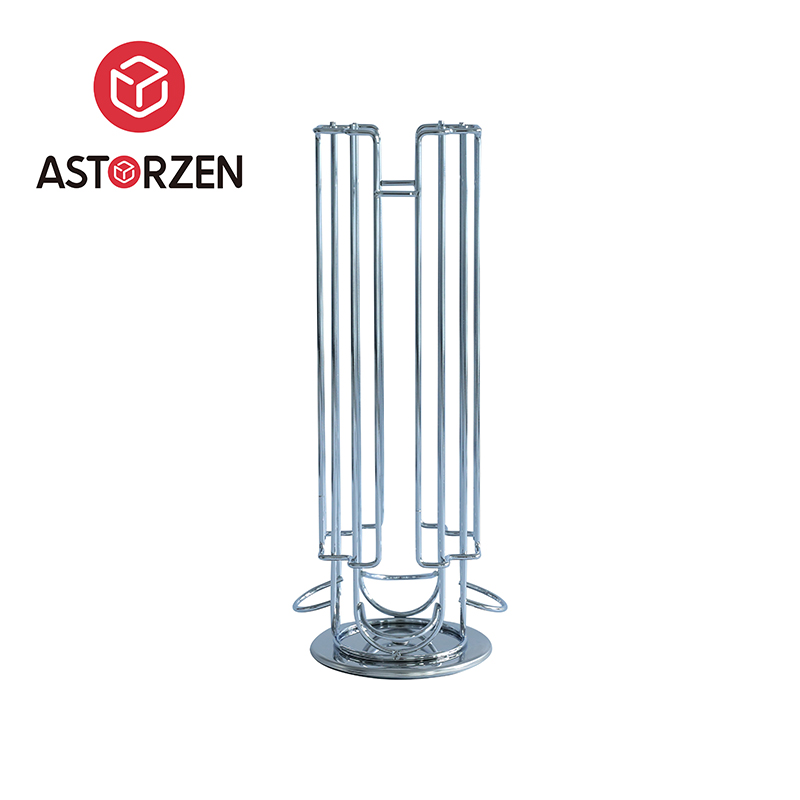 Commercial Vertical Rotatable Coffee Capsule Storage Rack
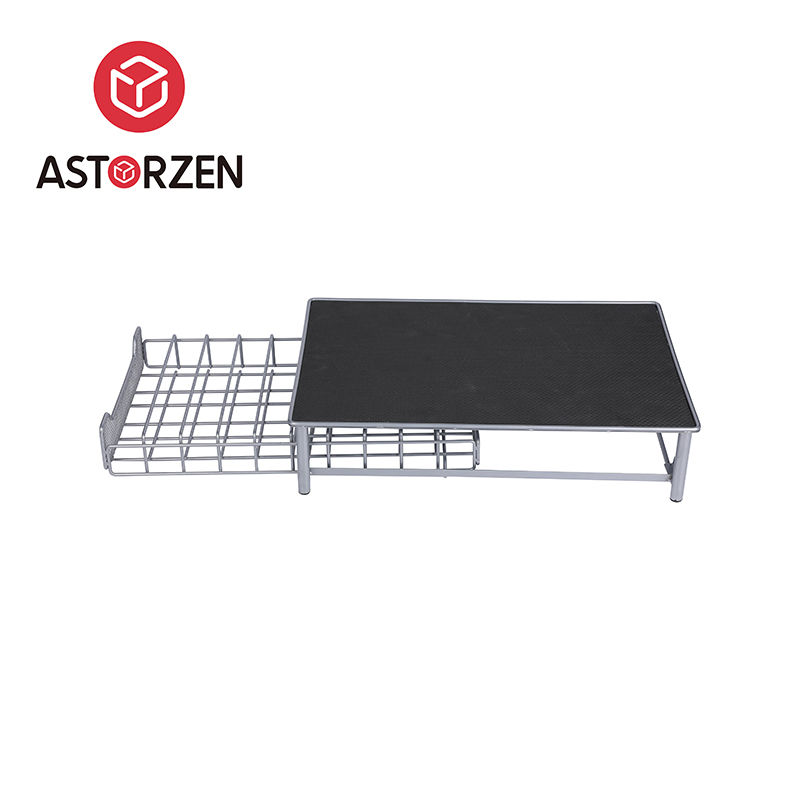 Modern Steel Storage Rack with Pull-Out Drawer for Coffee Capsules
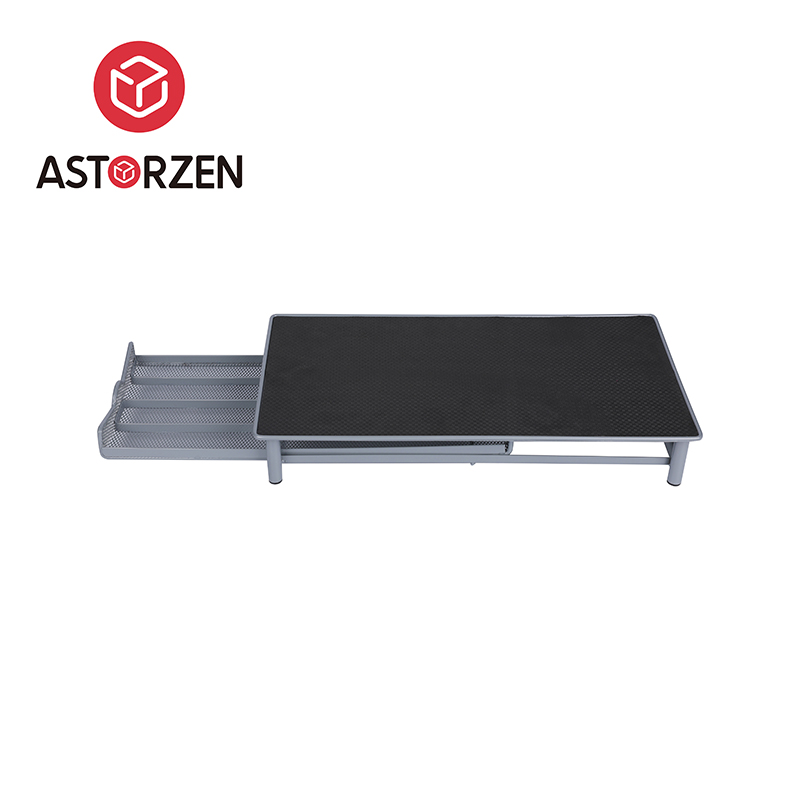 Fashionable Home Desktop Coffee Capsule Storage Drawer
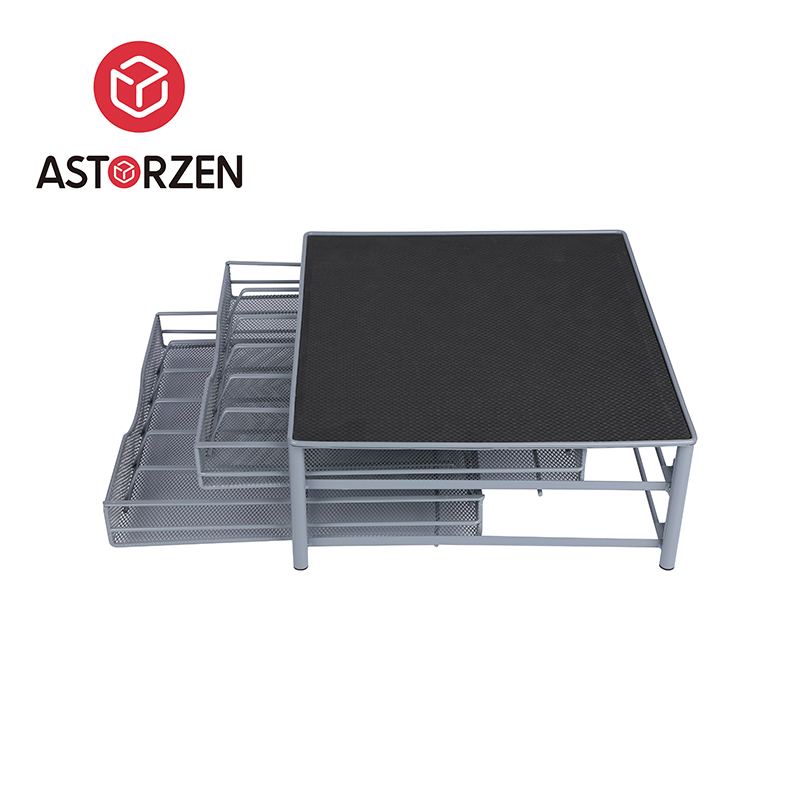 Desktop 2-Tier Coffee Capsule Placement Drawer
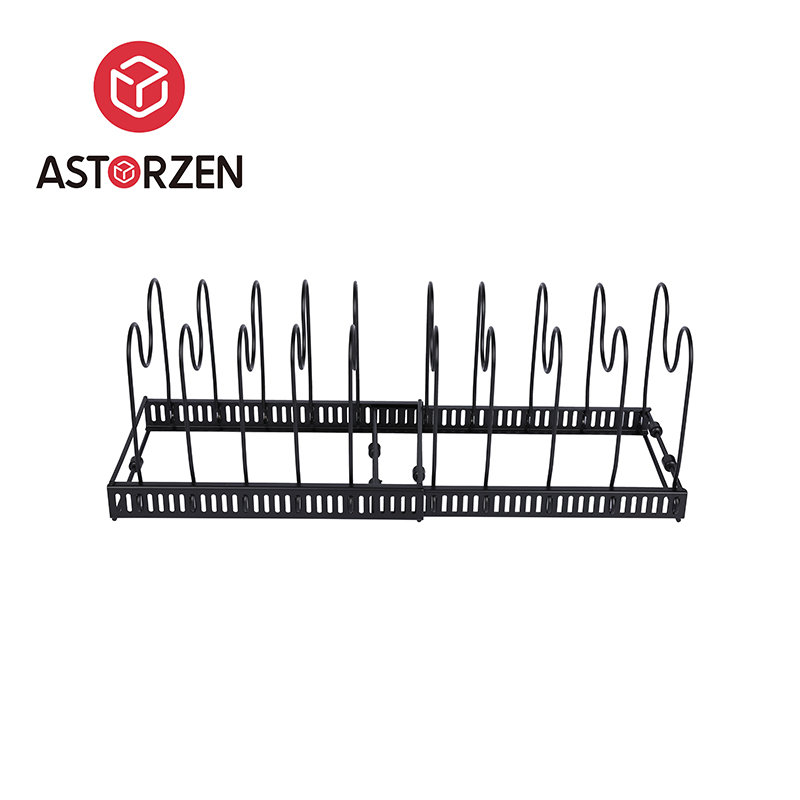 Adjustable Luxury Scalable Pot Rack Bowl Storage Rack
 Multi-functional Metal Double-layer Dish And Bowl Draining Basket

Copyright 2025 Zhejiang Yacheng Industry and Trade Co., Ltd. All Rights Reserved.

