




 English
 日本語
日本語 русский
 عربى
عربى
Home / News / Industry News / Kitchen Trolley Design Trends for More Efficient Commercial Kitchen Workflows
Industry News
As commercial kitchens become more focused on practical workflow, equipment mobility and easier cleaning, the Kitchen Trolley is gaining attention as a useful support solution for restaurants, hotels, catering operations and institutional kitchens. Current foodservice discussions increasingly focus on flexible layouts and equipment that can support storage, preparation and serving without creating unnecessary movement across busy work areas.
A common kitchen problem is not a lack of equipment, but poor movement between work zones. Ingredients may need to travel from storage to preparation, prepared dishes from cooking to service, and used items toward cleaning areas. A mobile trolley can help connect these zones while allowing operators to adjust the working layout according to different service tasks.
For commercial kitchen planners, this makes trolley placement part of workflow planning rather than simply an additional storage decision. A suitable design should support the movement pattern of the kitchen without blocking staff access or creating unnecessary cross-traffic.
Modern foodservice spaces often need to accommodate different menus, service periods and staffing arrangements. A fixed workstation cannot always respond easily to these changes. A mobile kitchen trolley can be repositioned when preparation, serving or storage requirements change.
This flexibility can be particularly useful for catering teams, hotel kitchens and restaurants with limited working space. Instead of adding permanent fixtures, operators can use movable equipment to create temporary support stations where they are needed.
Hygiene remains an important consideration when selecting commercial kitchen equipment. Foodservice equipment needs surfaces that are practical to clean and suitable for repeated daily use. For this reason, stainless steel remains widely used in professional kitchen environments.
When evaluating a commercial kitchen trolley, buyers should examine surface finishing, corner design, joints, weld quality and the accessibility of areas that require routine cleaning. These details can affect maintenance work long after installation.
A trolley should not simply provide more space. Its shelves, trays or working surfaces should match the items being moved and the tasks being performed. Open shelving can provide quick access during preparation, while enclosed or dedicated storage areas may be more suitable for specific applications.
Manufacturers can also consider different shelf layouts, handle positions and wheel configurations according to the customer's working environment. This type of practical customization can make a trolley more useful without adding unnecessary complexity.
Mobility and stability need to work together. A trolley that moves easily but lacks sufficient stability can create problems during loading, turning or service. Buyers should therefore consider wheel quality, locking mechanisms, load distribution and frame construction as part of the same evaluation.
For manufacturers, these components should be selected according to the intended application rather than treated as interchangeable accessories. A trolley used for serving may require different mobility characteristics from one used mainly for kitchen storage.
Commercial buyers often operate kitchens with different floor plans, equipment combinations and service routines. Standard dimensions may not always fit every project. As a manufacturer, we focus on practical customization, including trolley structure, shelf arrangement, surface configuration and application-specific details.
For OEM and bulk buyers, early communication about workflow, available space, cleaning requirements and intended use can help create a more suitable product specification. This approach also supports consistent production when a trolley needs to be integrated into a wider equipment program.
For buyers comparing commercial kitchen equipment, the most useful starting point is the actual task the trolley must solve. Consider where materials are moved, how often the trolley changes position, what needs to be stored, and how cleaning is handled during daily operation. A well-designed Kitchen Trolley can then become a practical part of the workflow rather than simply another piece of equipment.


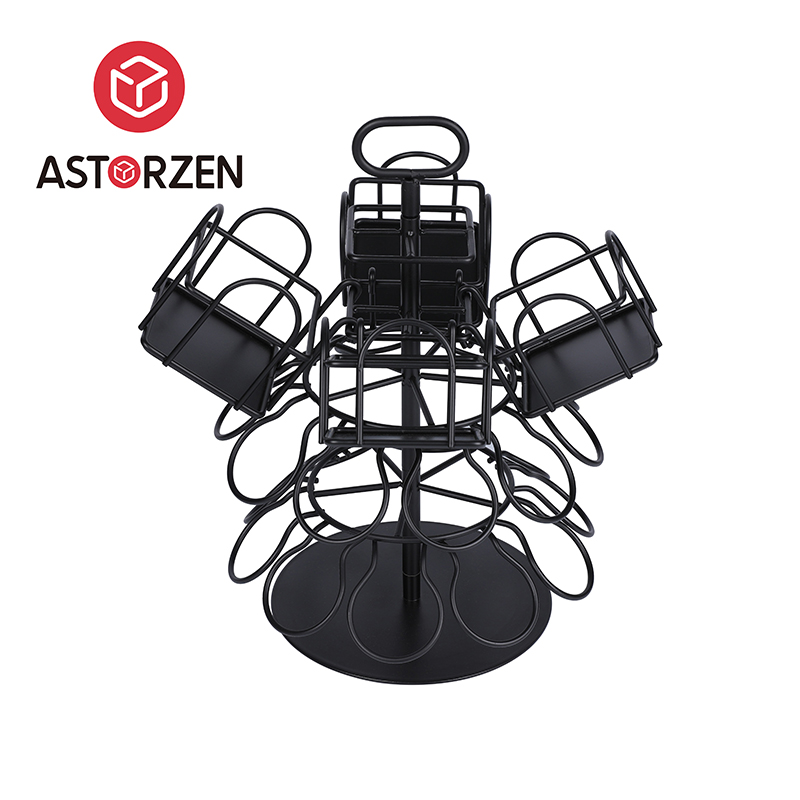 Large Capacity Top-Standing Rotatable Beverage And Coffee Storage Rack
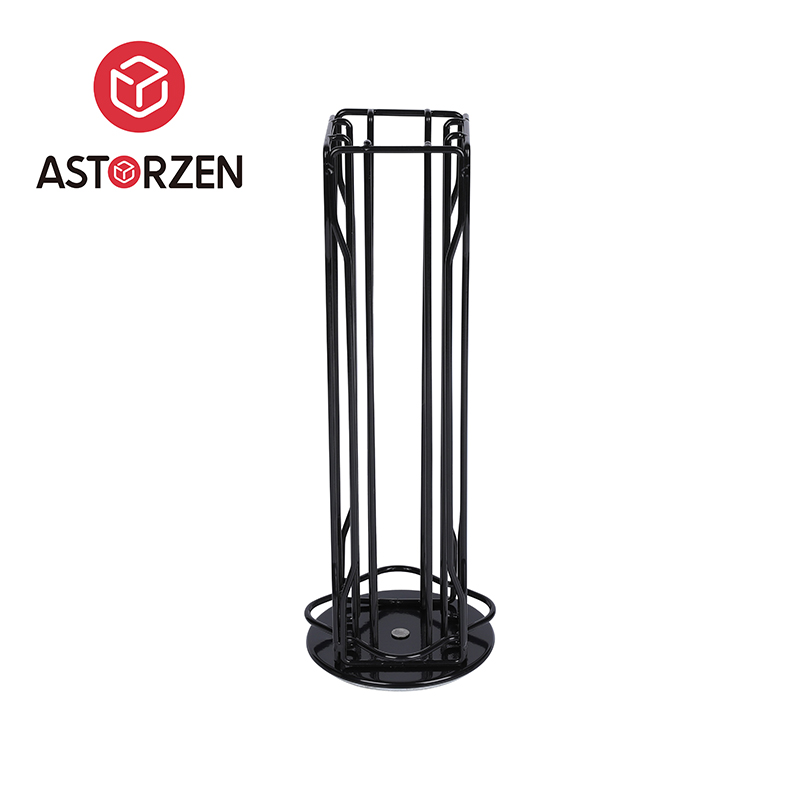 Living Room Vertical Stable Floor Stand Storage Rack for Coffee Capsules
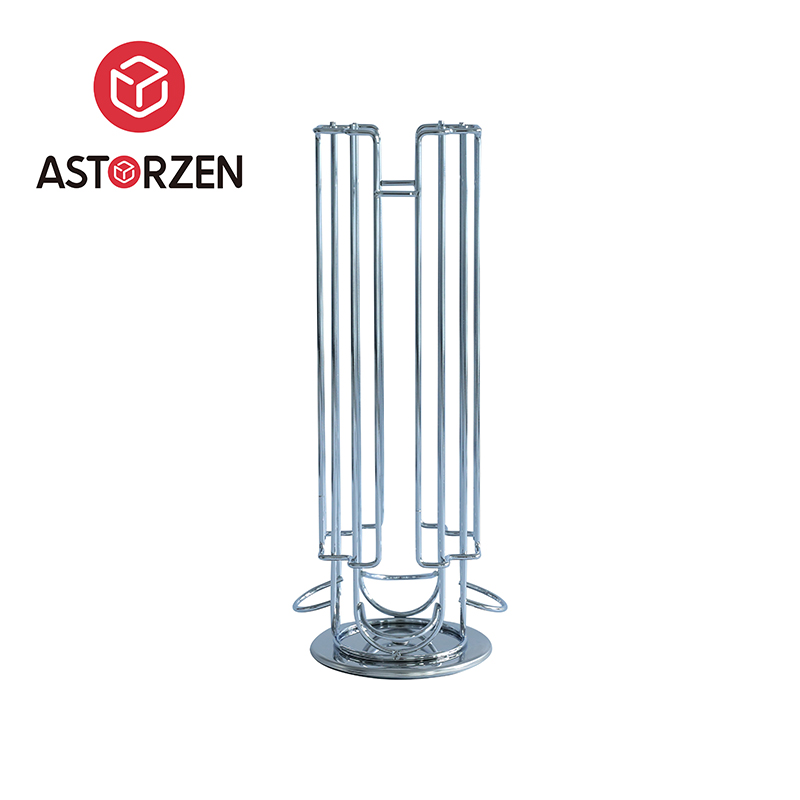 Commercial Vertical Rotatable Coffee Capsule Storage Rack
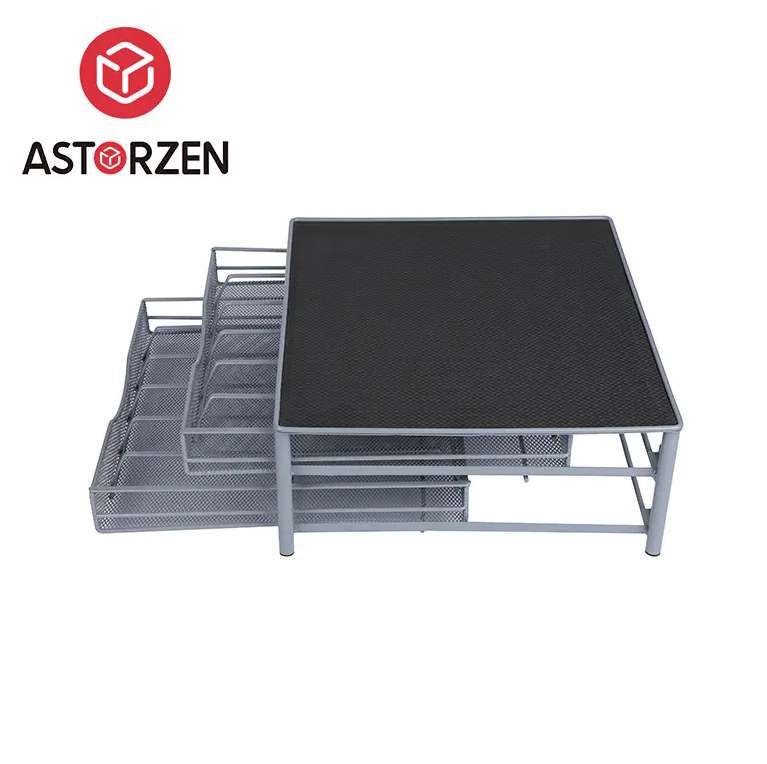
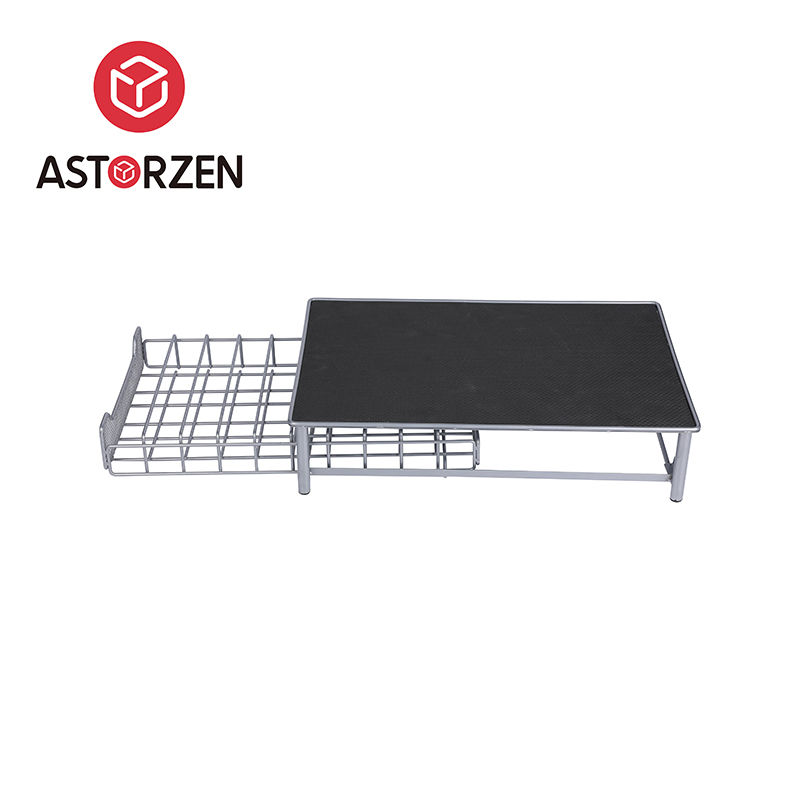 Modern Steel Storage Rack with Pull-Out Drawer for Coffee Capsules
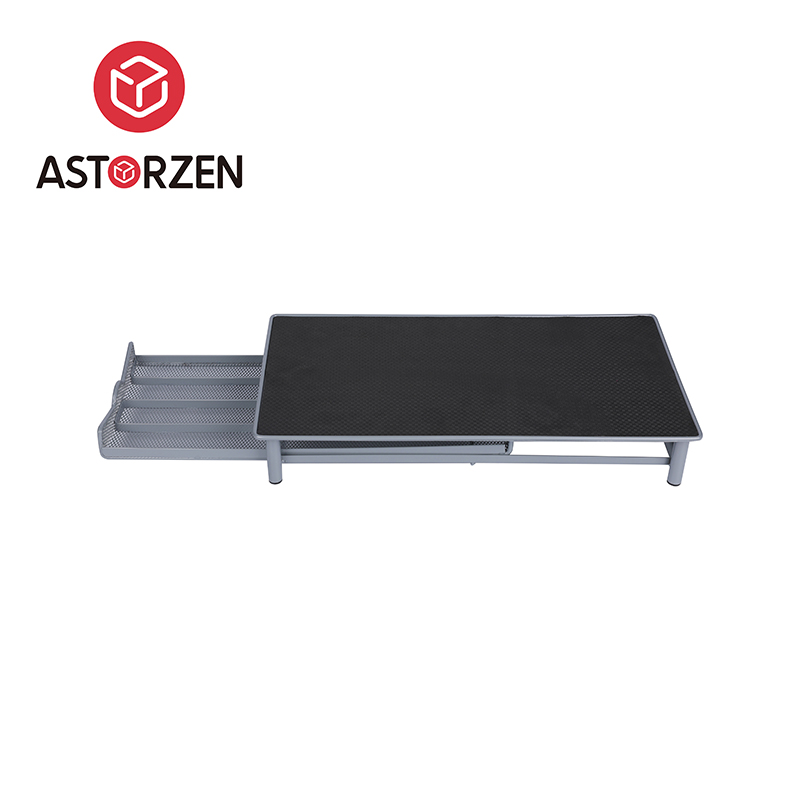 Fashionable Home Desktop Coffee Capsule Storage Drawer
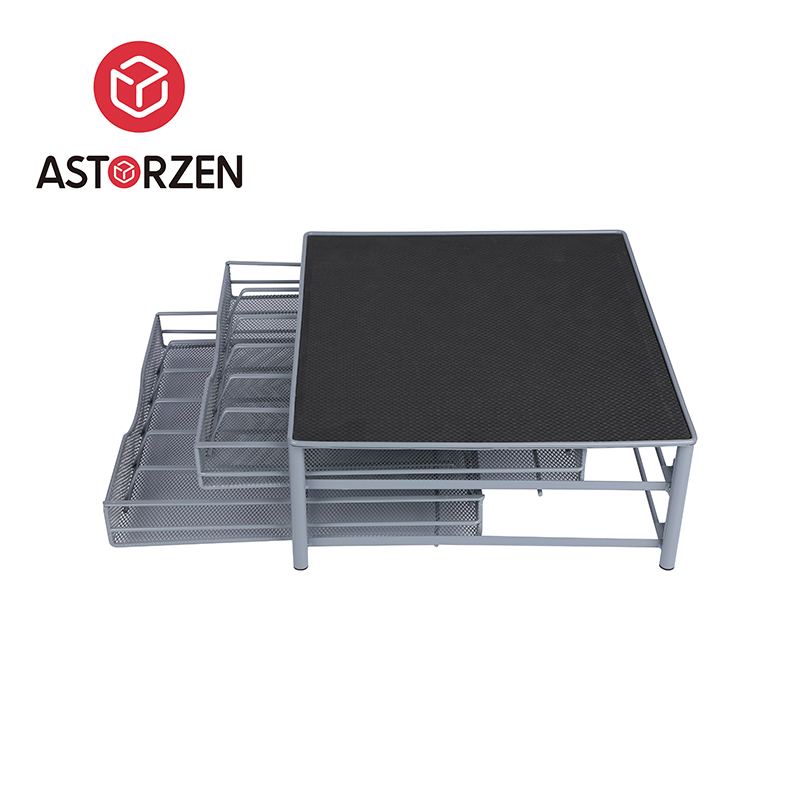 Desktop 2-Tier Coffee Capsule Placement Drawer
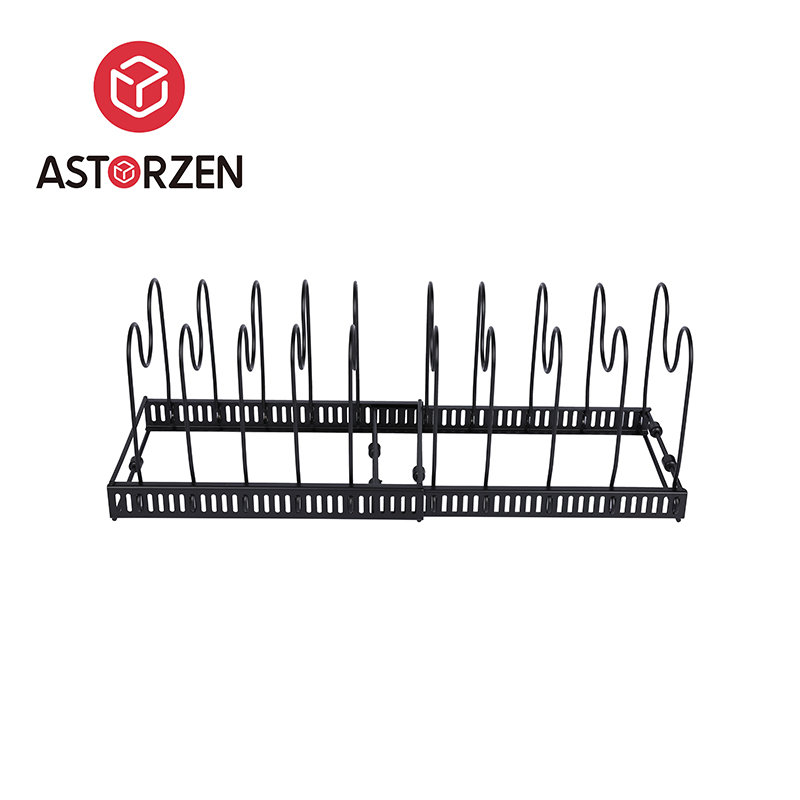 Adjustable Luxury Scalable Pot Rack Bowl Storage Rack
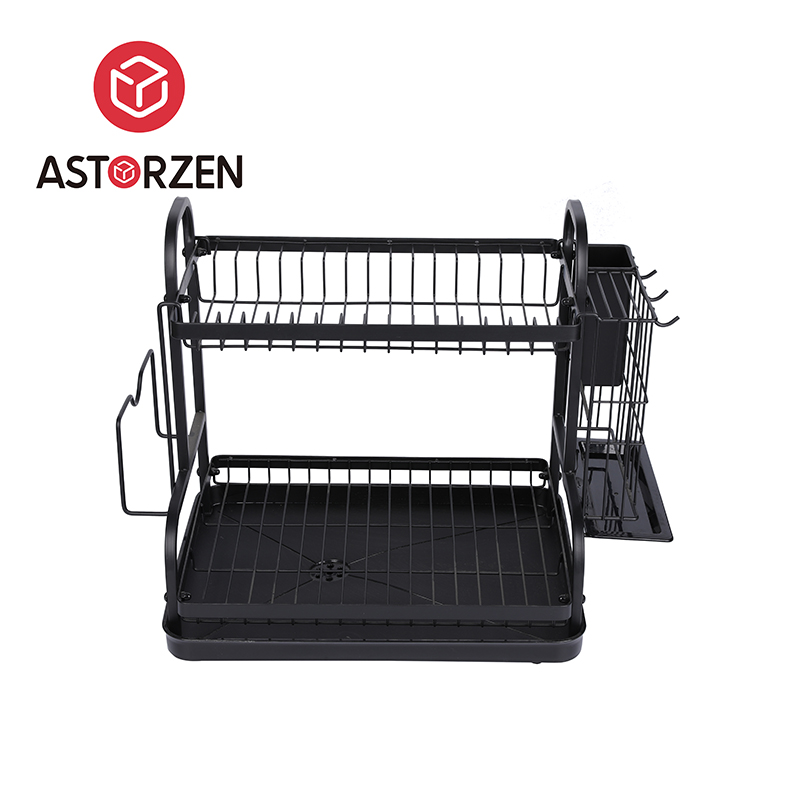 Multi-functional Metal Double-layer Dish And Bowl Draining Basket

Copyright 2025 Zhejiang Yacheng Industry and Trade Co., Ltd. All Rights Reserved.

