




 English
 日本語
 русский
 عربى
Home / News / Industry News / Practical Dish Rack Designs Improve Kitchen Storage and Daily Cleaning
Industry News
As kitchen spaces become more organized, consumers are paying more attention to the functionality of everyday accessories. A Dish Rack is no longer just a place to dry plates and cups. Buyers also consider drainage efficiency, material durability, countertop space, and ease of cleaning. For kitchenware wholesalers, retailers, and distributors, these details influence product selection and customer satisfaction. As a manufacturer, we focus on practical structures that address common problems in daily kitchen use.
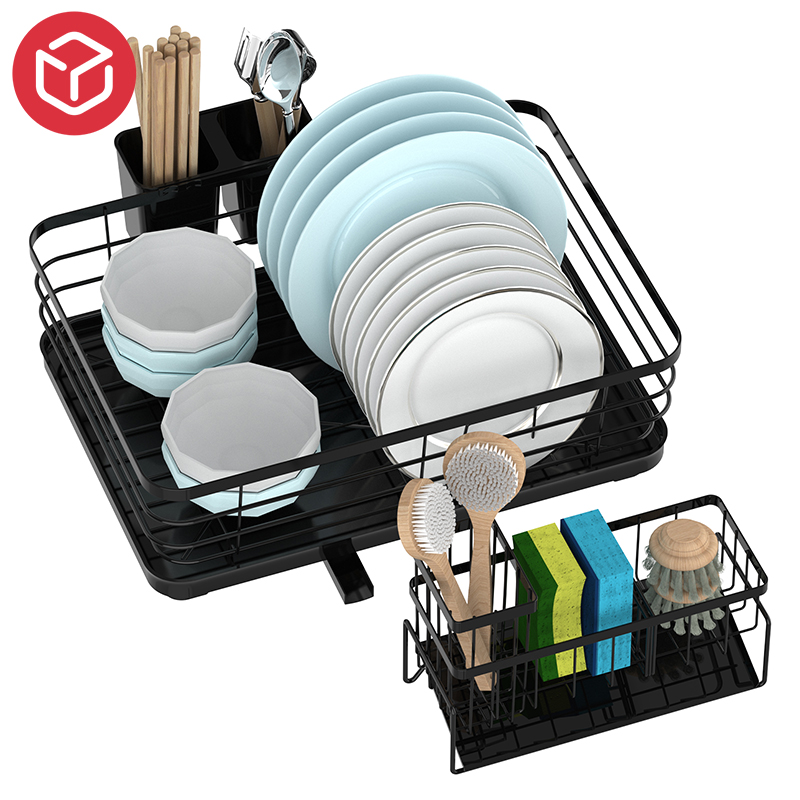
Water accumulation is a common issue with traditional dish drying racks. Poor drainage can leave water stains on countertops and increase cleaning work.
A practical design should guide excess water toward a collection tray or drainage outlet. An angled drip tray can help water flow away from tableware instead of allowing it to collect underneath.
For B2B buyers, drainage structure is an important feature to evaluate because it directly affects everyday convenience.
Dish racks are regularly exposed to water, detergent, and moisture. Material selection therefore plays an important role in product durability.
Stainless steel, coated metal, and plastic components are commonly used in different designs. Buyers should pay attention to material quality, surface finishing, and connection points when comparing products.
As a manufacturer, we also consider frame stability and surface treatment during production to help maintain consistent product quality.
Limited countertop space is a common concern in apartments and modern kitchens. Compact dish racks provide storage for frequently used tableware without occupying too much working space.
Different structures serve different needs:
The key is to balance storage capacity with convenient access to tableware.
Plates, bowls, cups, and cutlery require different storage arrangements. Placing everything together can make a dish rack crowded and inconvenient to use.
A functional dish drainer should include separate plate slots, cup holders, and removable utensil baskets. These features help keep tableware organized while allowing better air circulation during drying.
For retailers, practical storage arrangements are also useful selling points when presenting kitchen organization products.
Water deposits and food residue can collect around narrow gaps and complicated joints. This makes cleaning an important part of dish rack design.
Removable drainage trays and utensil holders allow users to clean individual components more easily. Smooth surfaces and accessible corners also help reduce dirt accumulation.
When developing products, manufacturers should consider not only how a rack is used but also how easily it can be maintained over time.
A dish rack may look simple, but its performance depends on several manufacturing details. Uneven frames, loose connections, and poorly fitted accessories can affect stability and daily usability.
Our production considerations include material consistency, dimensional accuracy, component fitting, edge finishing, and assembly quality. These checks help ensure that the finished product meets practical requirements for regular kitchen use.
Different sales channels have different priorities. Retailers may focus on appearance and functionality, while wholesalers often consider packaging, material options, product combinations, and supply consistency.
When selecting a Dish Rack, buyers should evaluate kitchen space, tableware sizes, drainage structure, and target customer preferences. By combining functional design with reliable manufacturing processes, we aim to provide dish drying solutions that help overseas buyers develop practical and competitive kitchenware product ranges.


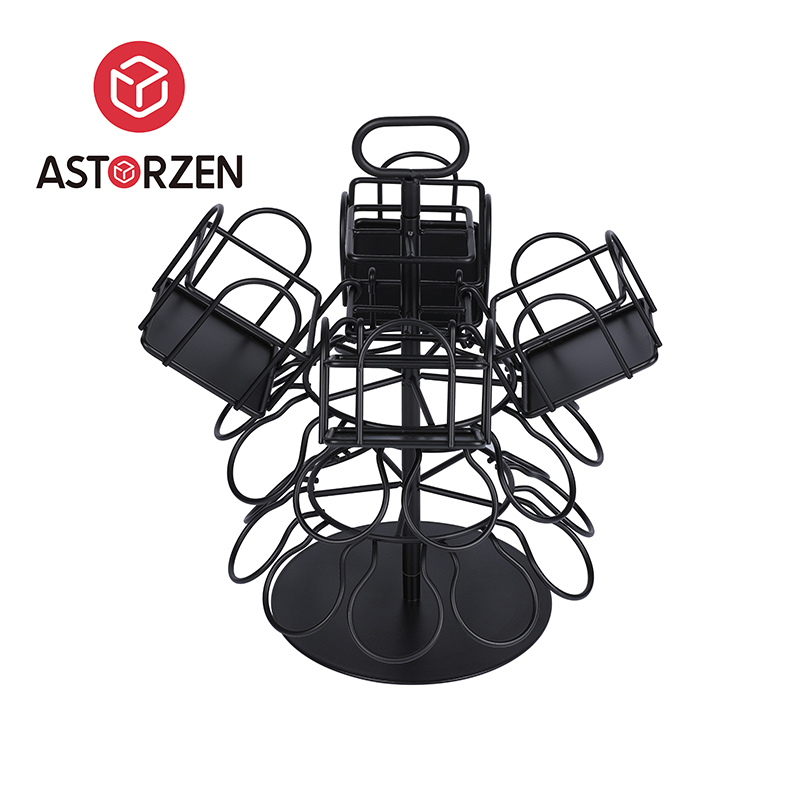 Large Capacity Top-Standing Rotatable Beverage And Coffee Storage Rack
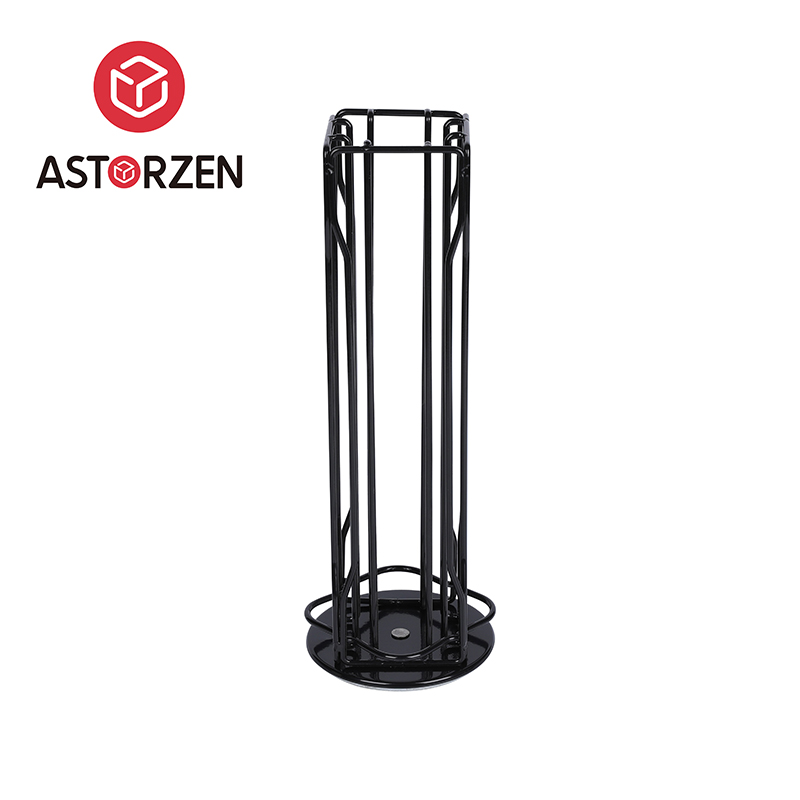 Living Room Vertical Stable Floor Stand Storage Rack for Coffee Capsules
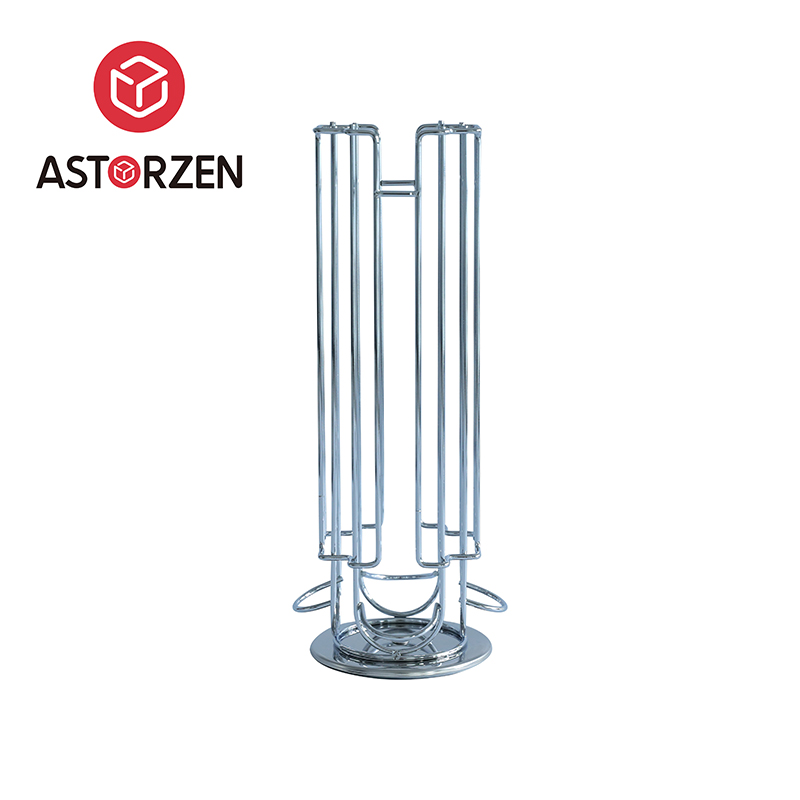 Commercial Vertical Rotatable Coffee Capsule Storage Rack
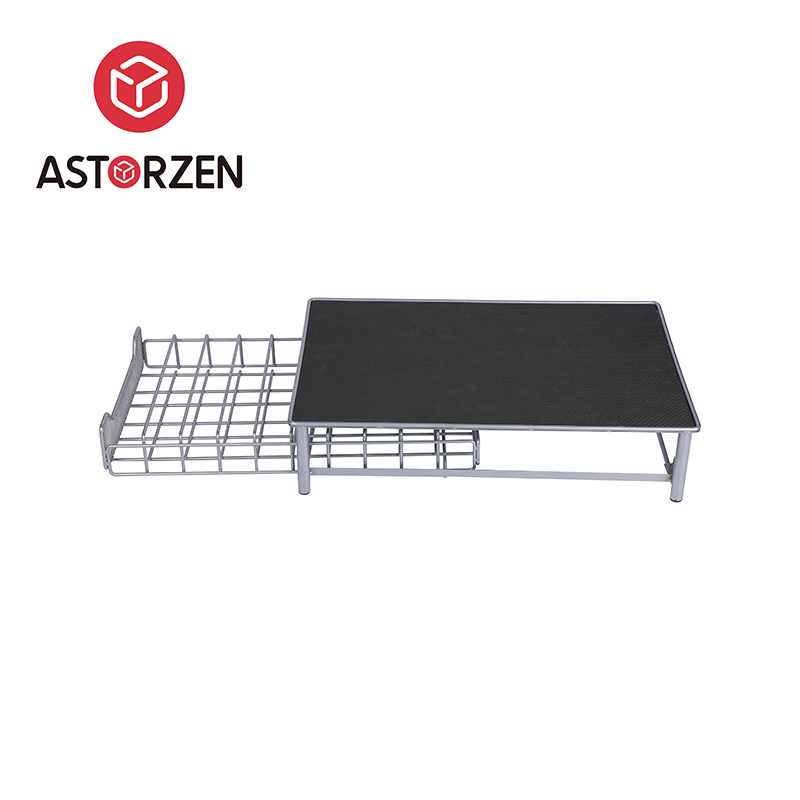 Modern Steel Storage Rack with Pull-Out Drawer for Coffee Capsules
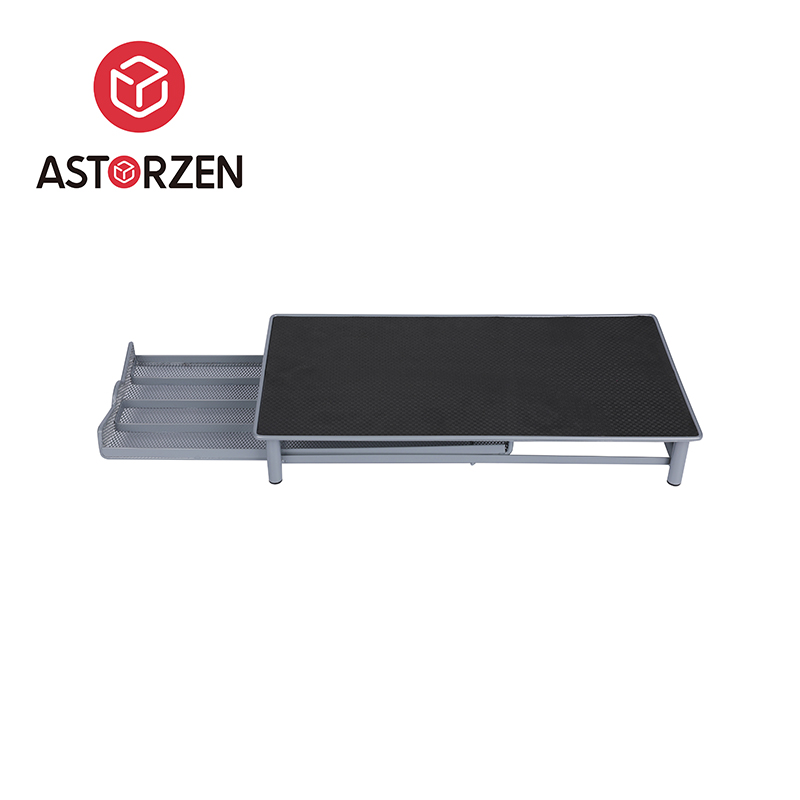 Fashionable Home Desktop Coffee Capsule Storage Drawer
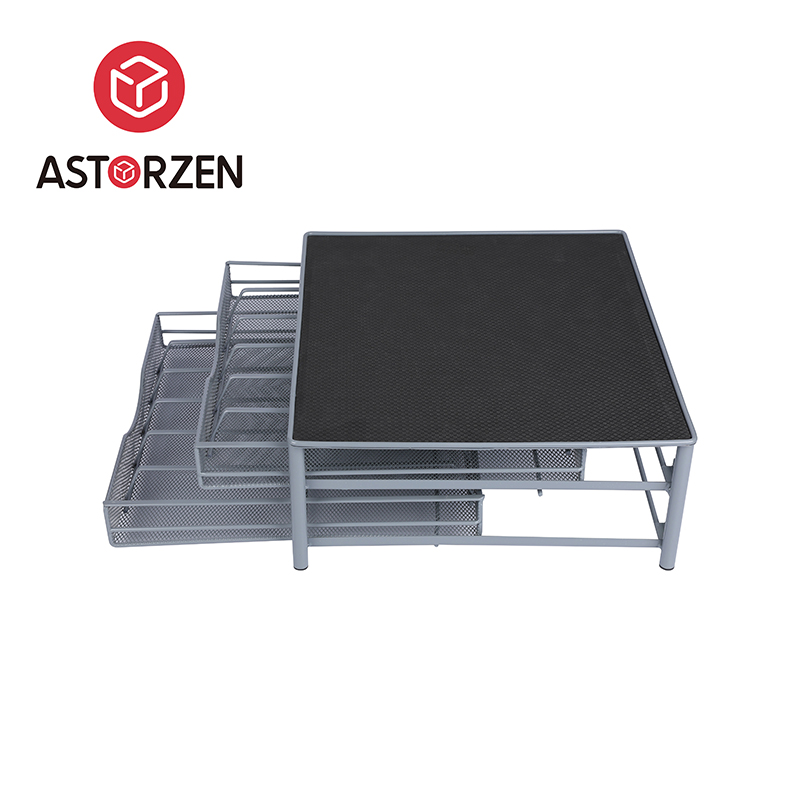 Desktop 2-Tier Coffee Capsule Placement Drawer
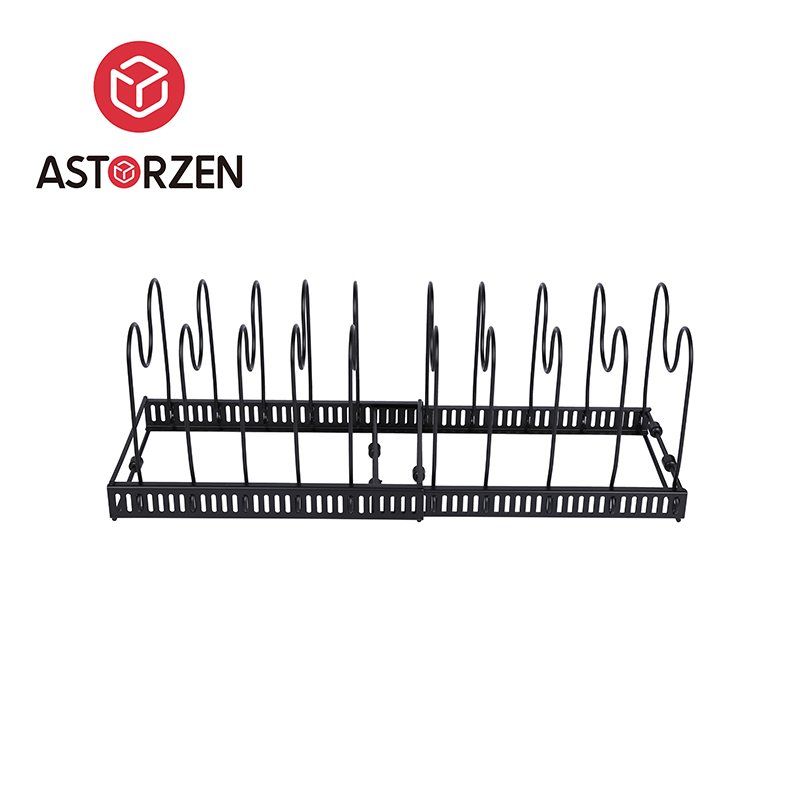 Adjustable Luxury Scalable Pot Rack Bowl Storage Rack
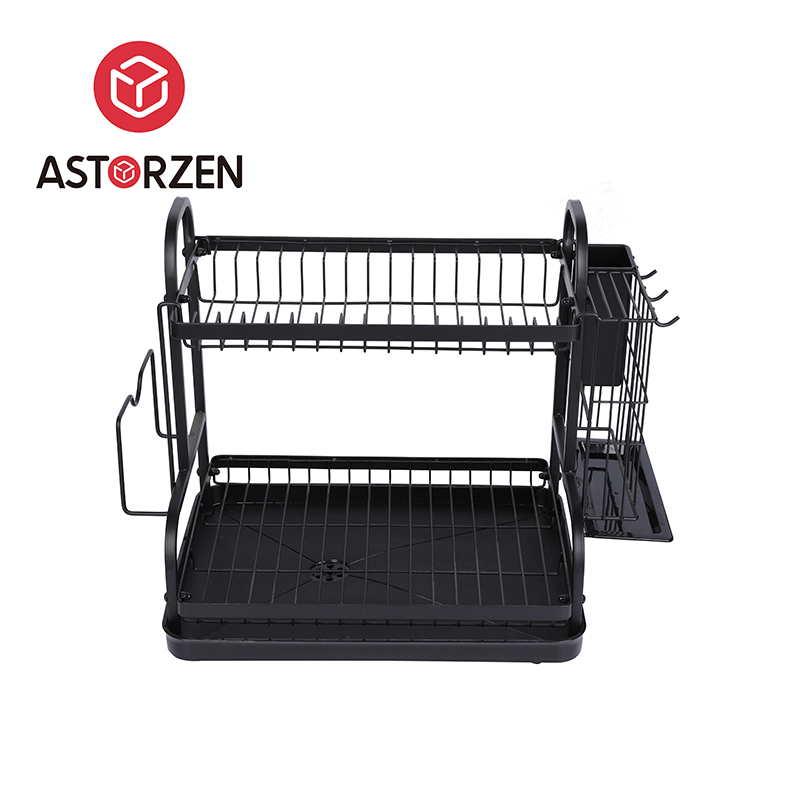 Multi-functional Metal Double-layer Dish And Bowl Draining Basket

Copyright 2025 Zhejiang Yacheng Industry and Trade Co., Ltd. All Rights Reserved.

