




 English
 日本語
 русский
 عربى
Home / News / Industry News / Dish Rack Design Trends: Practical Solutions for Space-Saving Kitchen Storage
Industry News
As kitchens become more compact, consumers are paying closer attention to countertop organization and everyday cleaning convenience. The Dish Rack is no longer just a basic drying accessory; buyers increasingly look for space-saving structures, effective drainage, and easy-to-clean materials. For overseas kitchenware retailers, wholesalers, and distributors, these practical requirements offer useful directions for selecting products that meet changing household needs.

Limited countertop space is a common problem in apartments and smaller kitchens. Traditional dish racks can occupy valuable working areas, making over-the-sink and foldable designs increasingly attractive.
Over-the-sink dish racks use the space above the basin, while compact countertop models provide flexible placement for different kitchen layouts. As a manufacturer, we consider product dimensions, storage capacity, and installation convenience when developing different structures.
Standing water around the sink can make kitchen cleaning inconvenient. A well-designed dish drying rack should guide water toward the sink instead of allowing it to collect in the base tray.
Important design details include:
These features help keep countertops dry and make daily dishwashing routines easier.
Since dish racks are regularly exposed to moisture, material selection directly affects product durability and maintenance.
Stainless steel is widely used for its corrosion resistance, while plastic components are suitable for utensil holders and drainage trays. Buyers should also examine frame thickness, surface treatment, welding quality, and connection stability rather than focusing on material names alone.
Different households have different storage requirements. Some need space for plates and bowls, while others also need separate areas for cups, cutlery, and cooking utensils.
Expandable dish racks, two-tier structures, and removable utensil holders provide more flexible storage arrangements. For wholesalers and retailers, offering different configurations helps address the needs of various kitchen sizes and customer groups.
A dish rack should be easy to maintain. Narrow gaps and inaccessible corners may collect food residue and moisture over time.
We recommend considering removable components, smooth surfaces, accessible corners, and detachable drainage trays during product selection. These details reduce cleaning difficulties and contribute to a more convenient user experience.
Kitchen accessories are increasingly expected to complement interior styles as well as serve practical purposes. Stainless steel finishes, neutral colors, and simple geometric structures can fit different kitchen environments.
For overseas buyers, appearance should work alongside practical features. Plate spacing, drainage efficiency, structural stability, and ease of access remain important considerations when evaluating a new product range.
When sourcing a Dish Rack, buyers should evaluate more than its appearance and advertised capacity. Kitchen compatibility, material specifications, drainage design, packaging, and cleaning convenience all influence its suitability for different markets.
As a manufacturer, we focus on these details during product development to help business buyers identify suitable designs for their target customers. A thoughtfully designed Dish Rack can address everyday kitchen problems while offering retailers and distributors a practical addition to their kitchenware collections.


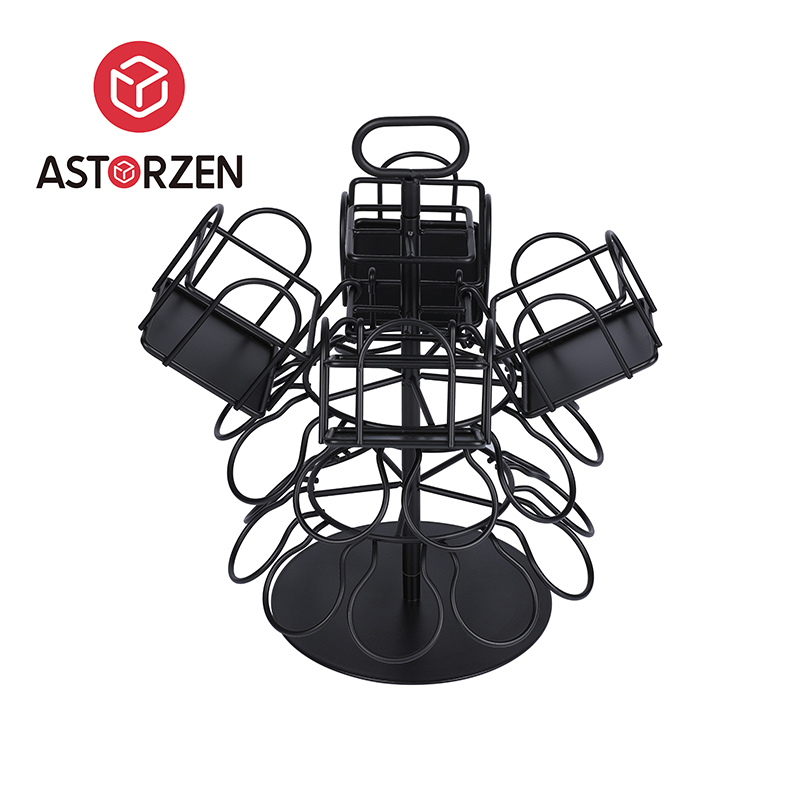 Large Capacity Top-Standing Rotatable Beverage And Coffee Storage Rack
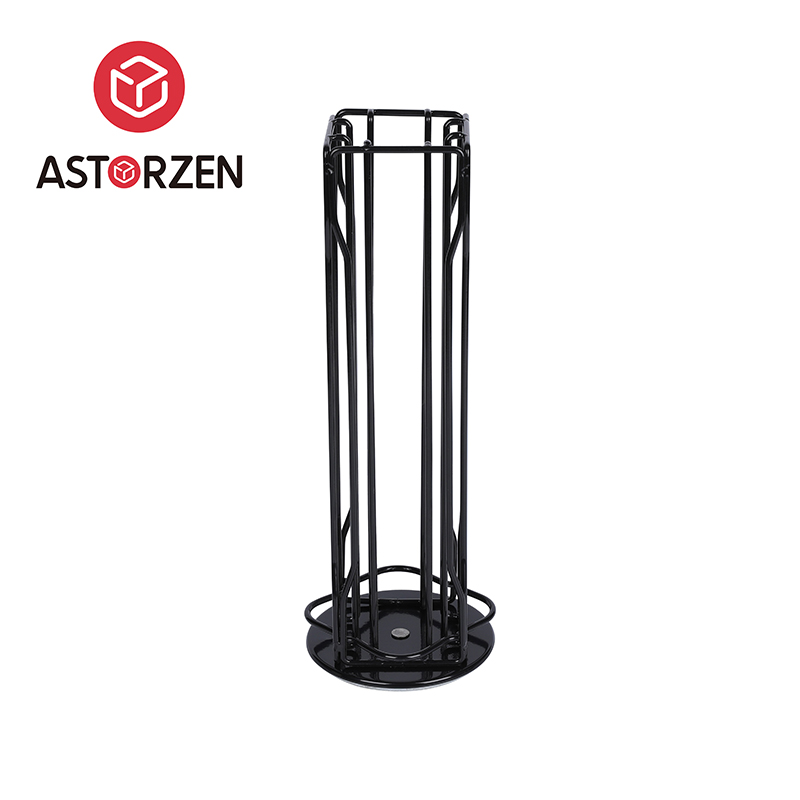 Living Room Vertical Stable Floor Stand Storage Rack for Coffee Capsules
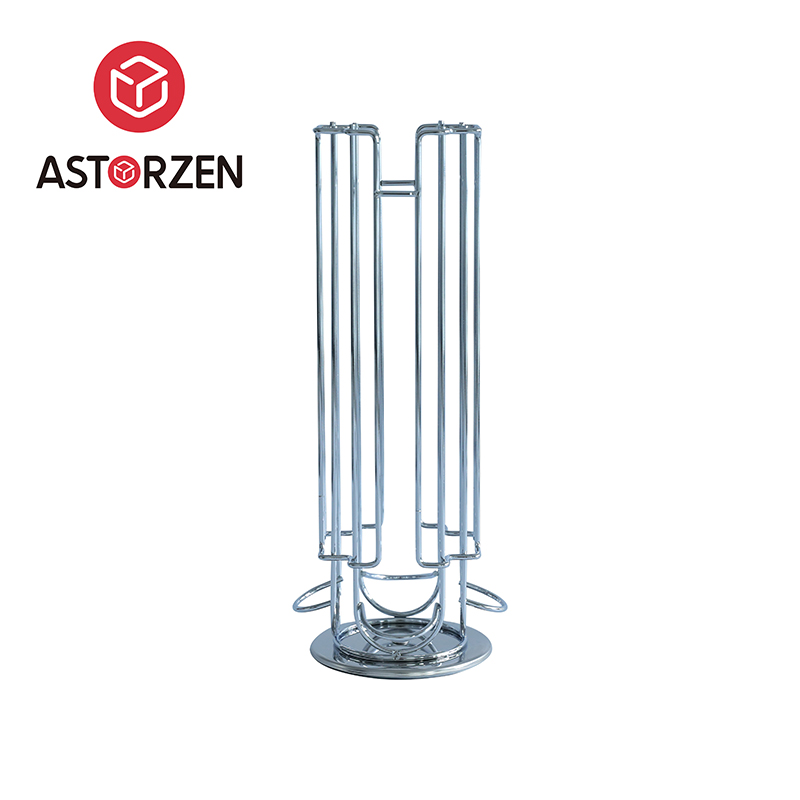 Commercial Vertical Rotatable Coffee Capsule Storage Rack
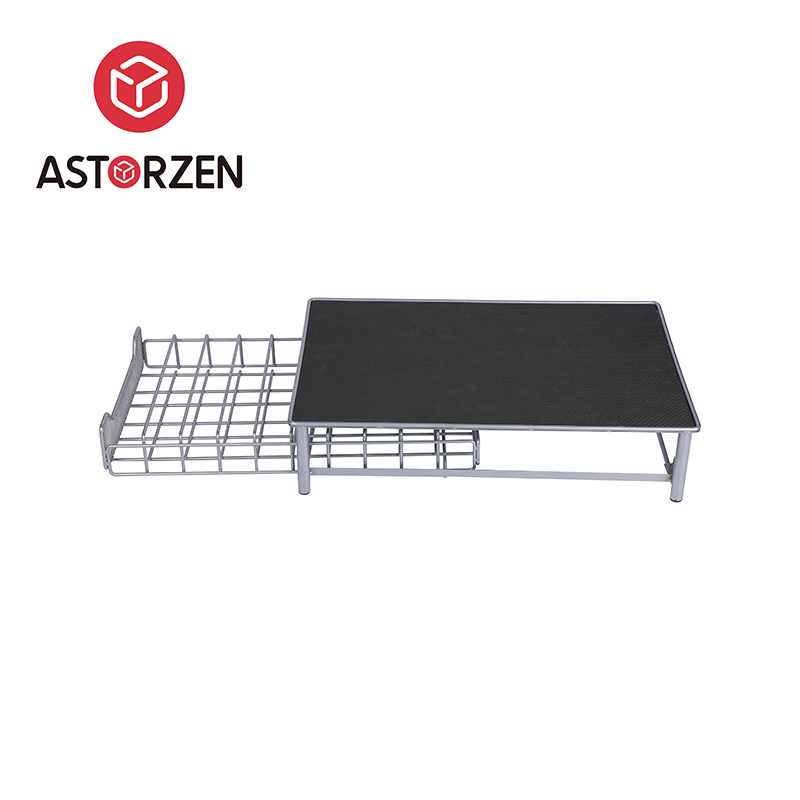 Modern Steel Storage Rack with Pull-Out Drawer for Coffee Capsules
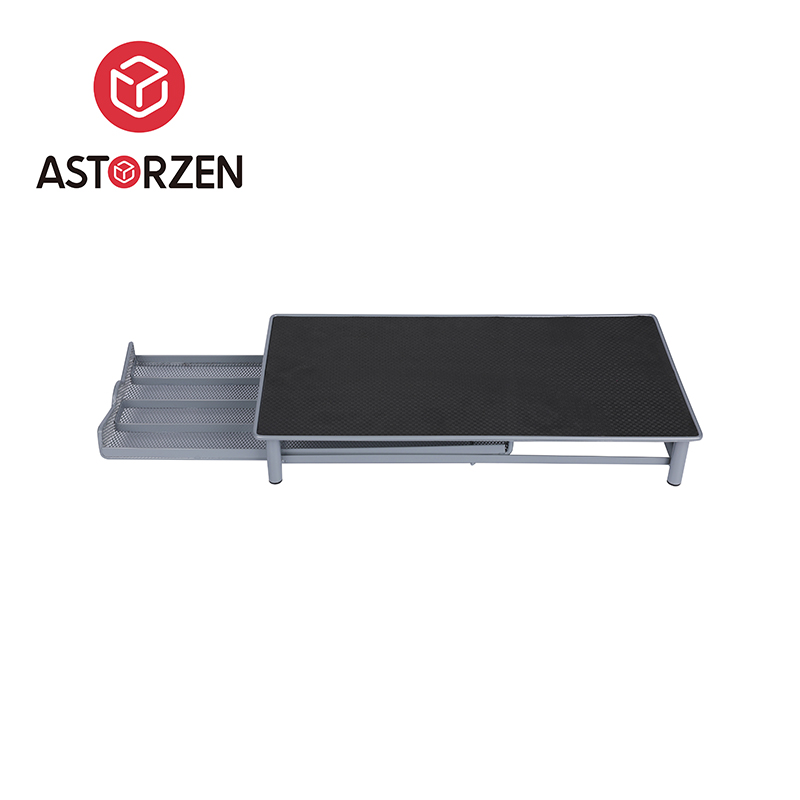 Fashionable Home Desktop Coffee Capsule Storage Drawer
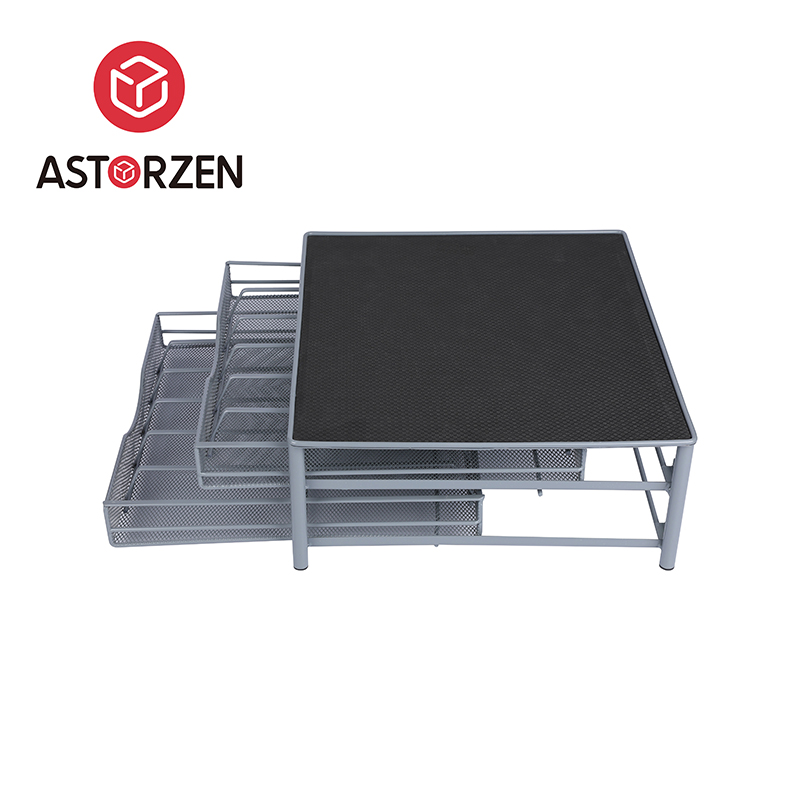 Desktop 2-Tier Coffee Capsule Placement Drawer
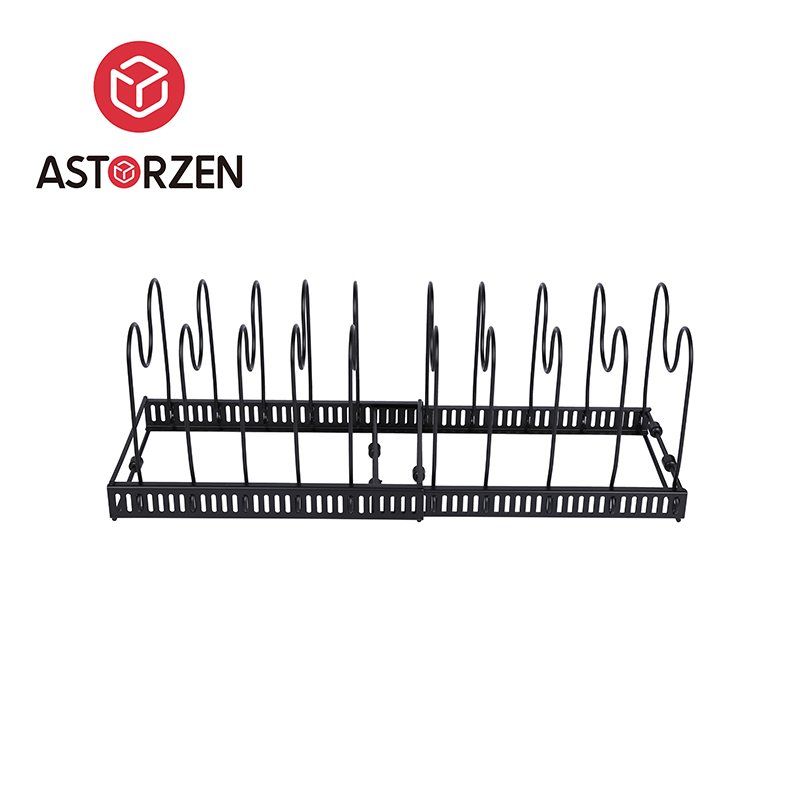 Adjustable Luxury Scalable Pot Rack Bowl Storage Rack
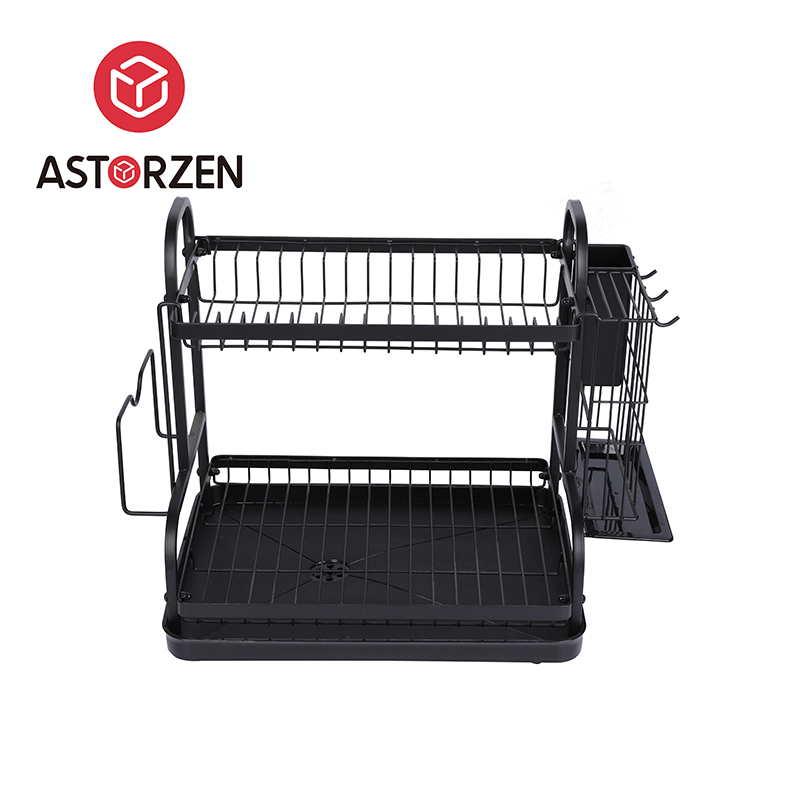 Multi-functional Metal Double-layer Dish And Bowl Draining Basket

Copyright 2025 Zhejiang Yacheng Industry and Trade Co., Ltd. All Rights Reserved.

