




 English
 日本語
 русский
 عربى
Home / News / Industry News / Dish Rack Manufacturing Focuses on Stability, Capacity and Everyday Convenience
Industry News
Kitchen organization is becoming an important consideration for consumers, particularly in homes where countertop space is limited. This has increased interest in dish drying racks that combine convenient storage with practical construction. For overseas kitchenware buyers, product selection involves more than appearance. Stability, drainage, storage capacity, and material quality all influence customer experience. As a manufacturer, we pay close attention to these details when developing a Dish Rack for different kitchen environments and market requirements.
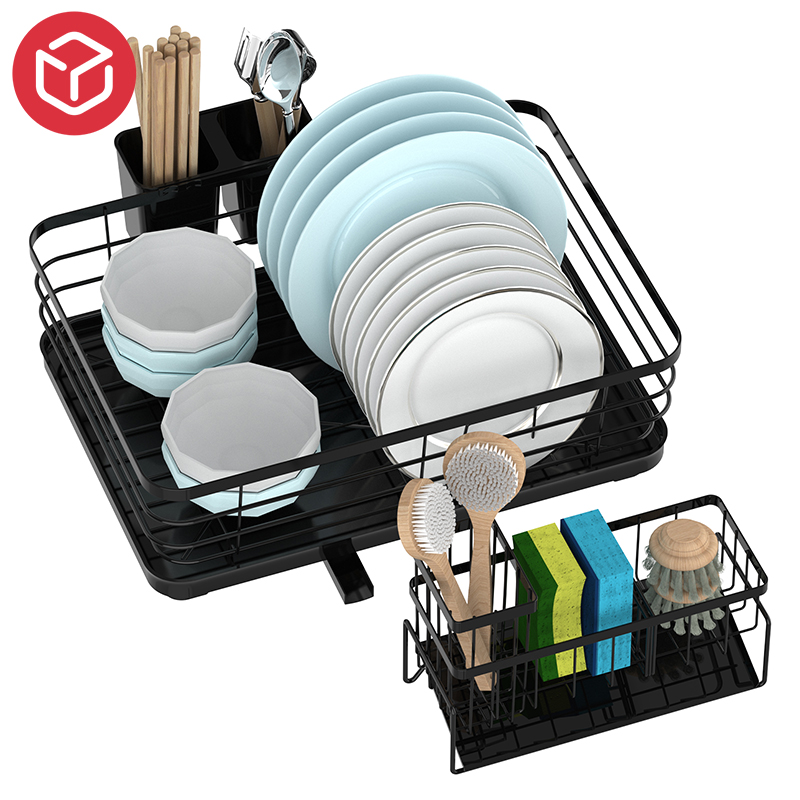
A dish rack needs to support plates, bowls, cups, and other kitchenware without becoming unstable. An unbalanced frame or poorly connected components can cause dishes to shift during loading and unloading.
Manufacturers should consider the weight distribution of the rack, the strength of its supporting structure, and the stability of its base. Non-slip feet and properly fitted connecting parts can also help keep the product in position on wet countertops.
A rack with insufficient space can quickly become crowded, while an oversized design may occupy valuable countertop space.
Different structures address different storage requirements:
For distributors, offering different capacity options can help serve households with varying kitchen layouts.
Water remaining beneath wet dishes is a common source of countertop mess. A well-designed dish drying rack should collect or direct excess water efficiently.
An angled drainage tray helps guide water toward a designated outlet or collection area. Buyers should also check whether the tray can be removed easily for cleaning.
From a manufacturing perspective, the connection between the rack and drainage components deserves particular attention. Poor fitting can affect both water management and product usability.
Kitchen products are frequently exposed to moisture, cleaning agents, and regular handling. Surface finishing therefore deserves attention during product development.
For metal dish racks, buyers should examine coating consistency, exposed edges, joints, and welding areas. Plastic components should also have smooth surfaces and secure connections.
These details influence the product's appearance, maintenance requirements, and suitability for repeated household use.
Product assembly is another factor that can influence purchasing decisions. Complicated installation instructions or poorly matched components may create unnecessary difficulties for end users.
A practical structure should use clearly fitted parts and straightforward assembly steps. Detachable holders and trays can also make storage, transportation, and cleaning more convenient.
For wholesalers and retailers, easy-to-assemble kitchen accessories can simplify product presentation and improve the overall customer experience.
Dish racks often contain multiple parts, including metal frames, plastic holders, drainage trays, and connecting accessories. Improper packaging may result in scratches, deformation, or missing components during transportation.
Manufacturers should consider component arrangement, protective materials, and packaging dimensions before shipment. Clear assembly instructions and organized accessories also help buyers manage downstream distribution.
For overseas kitchenware buyers, a product's quality needs to remain consistent across repeated orders. Differences in dimensions, surface treatment, assembly accuracy, or accessory fitting can affect retail feedback.
As a manufacturer, we focus on material inspection, structural checks, component matching, and finished-product evaluation throughout production. When selecting a Dish Rack supplier, buyers should consider not only product design but also manufacturing capability and quality control. A well-structured product with reliable production support can help retailers and distributors build a practical kitchenware range for different customer needs.


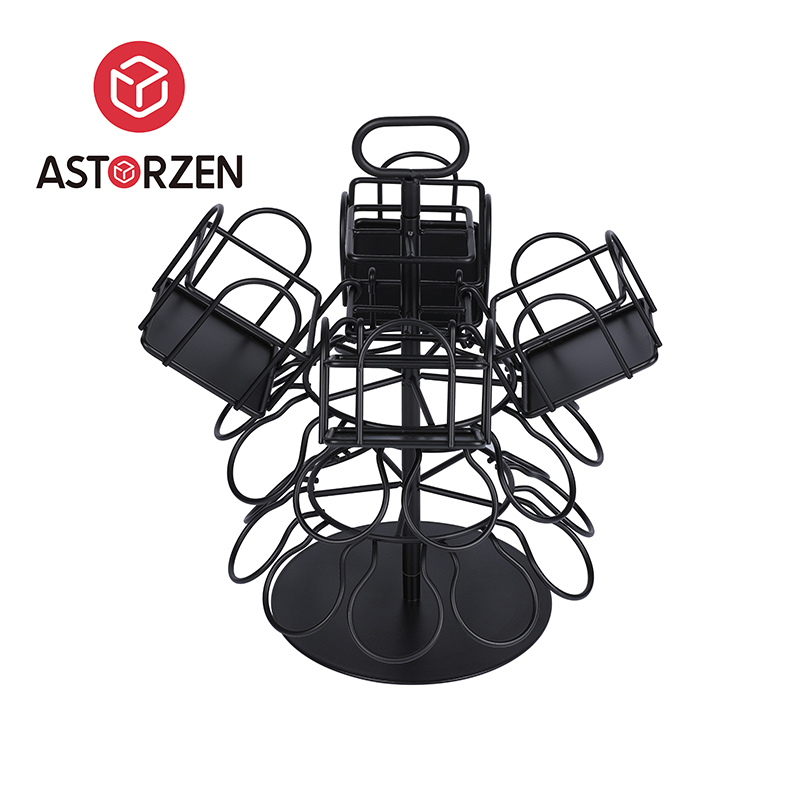 Large Capacity Top-Standing Rotatable Beverage And Coffee Storage Rack
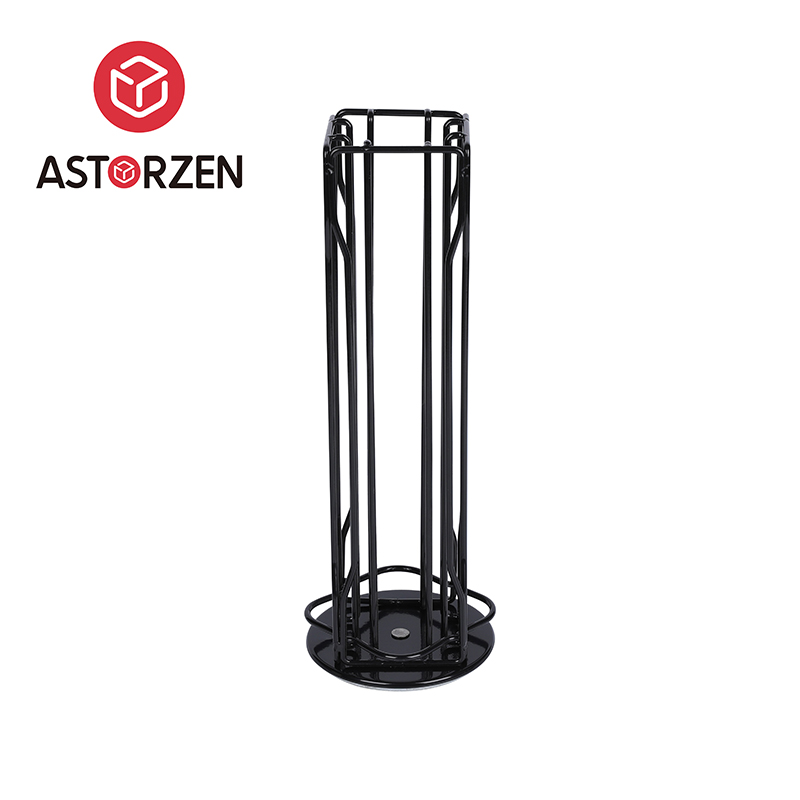 Living Room Vertical Stable Floor Stand Storage Rack for Coffee Capsules
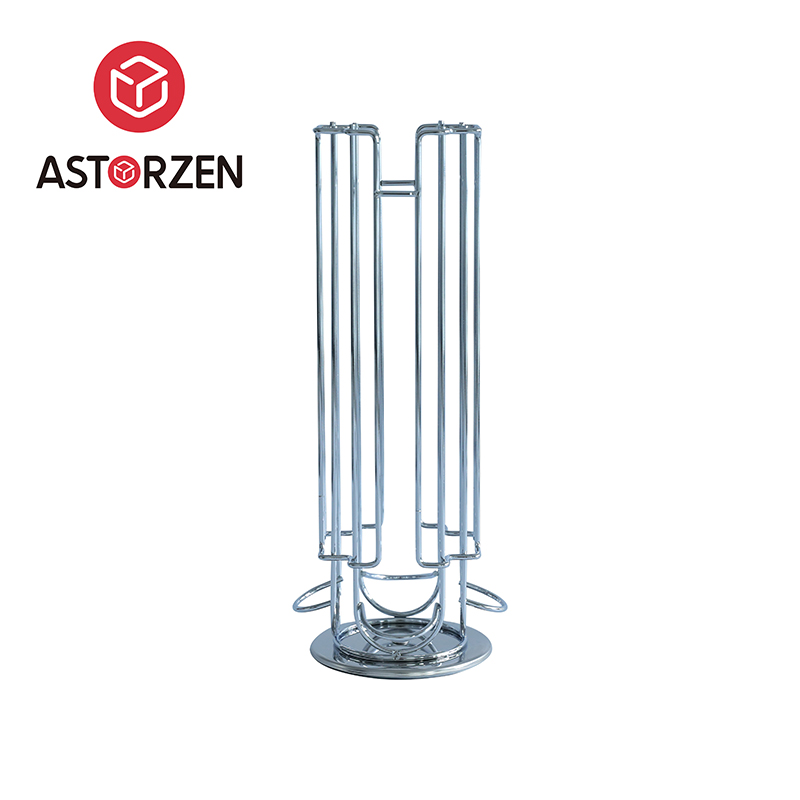 Commercial Vertical Rotatable Coffee Capsule Storage Rack
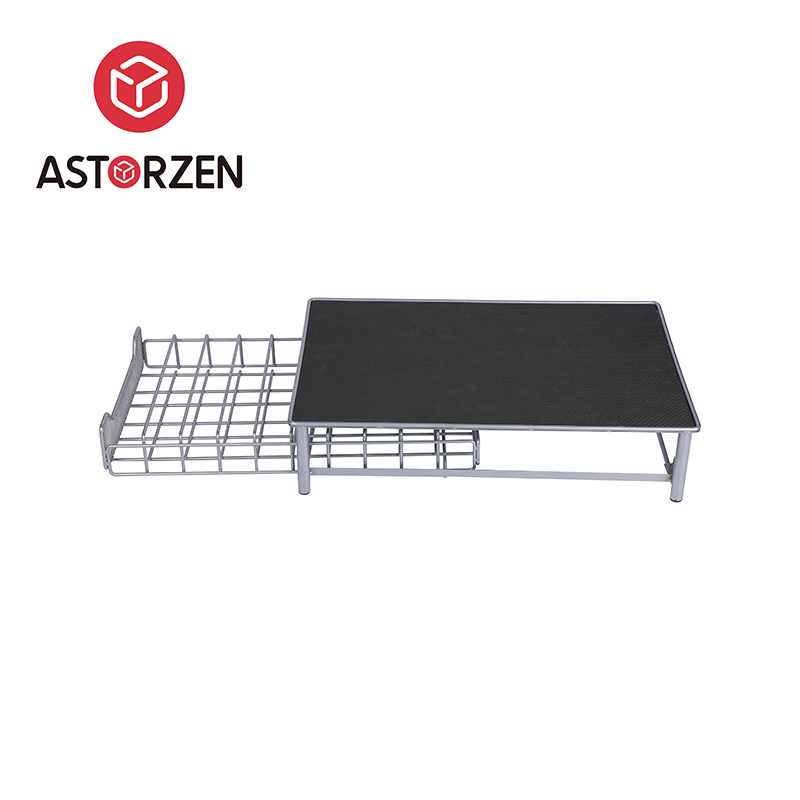 Modern Steel Storage Rack with Pull-Out Drawer for Coffee Capsules
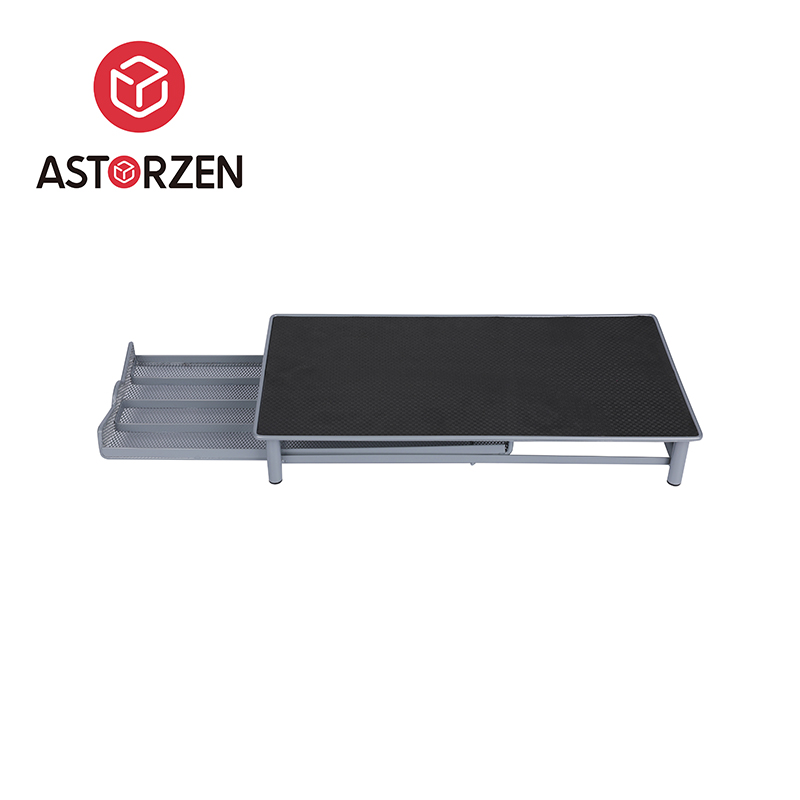 Fashionable Home Desktop Coffee Capsule Storage Drawer
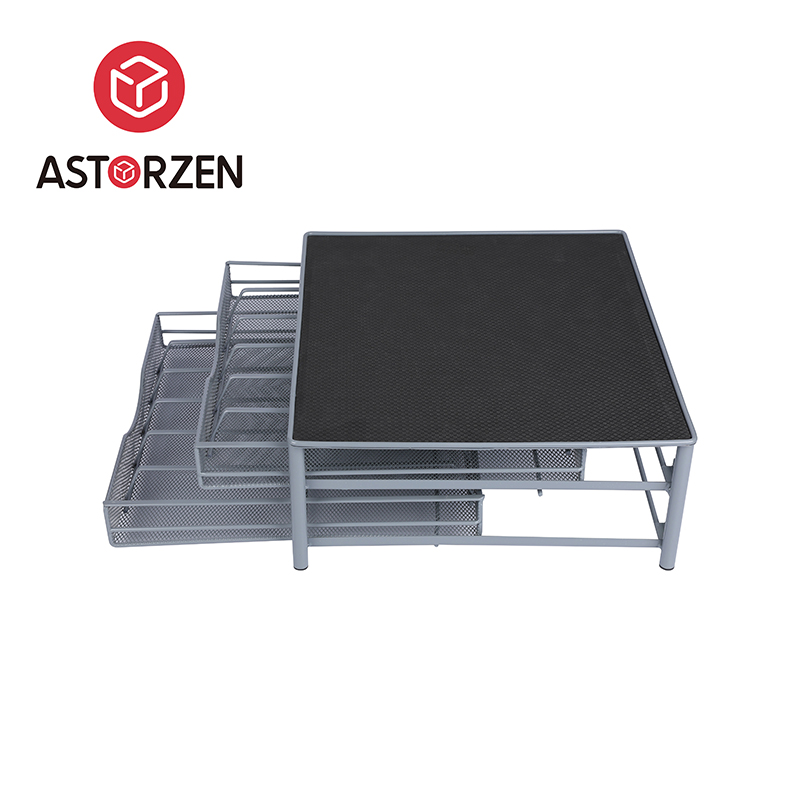 Desktop 2-Tier Coffee Capsule Placement Drawer
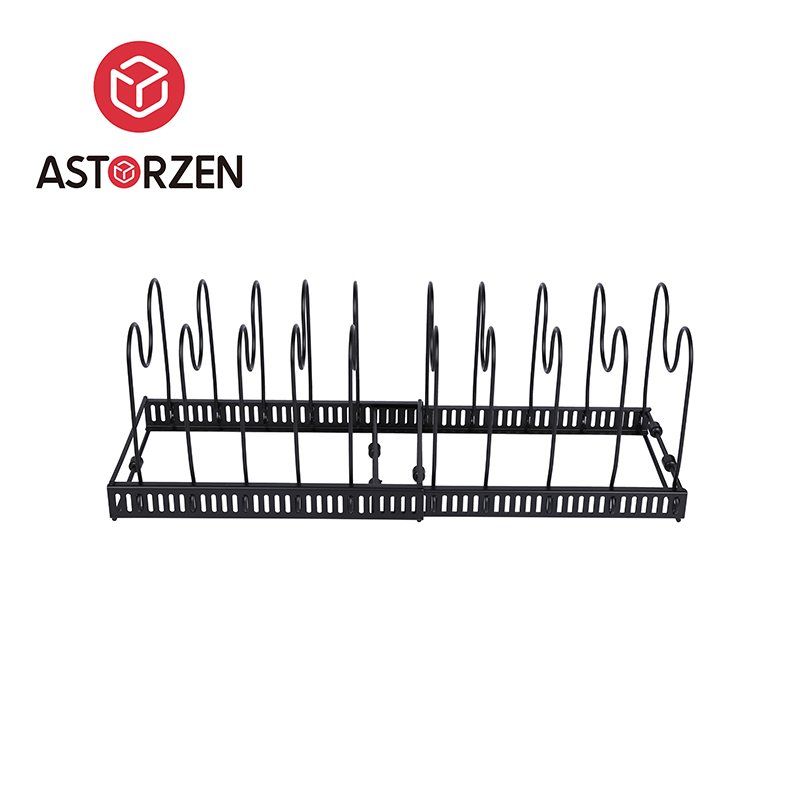 Adjustable Luxury Scalable Pot Rack Bowl Storage Rack
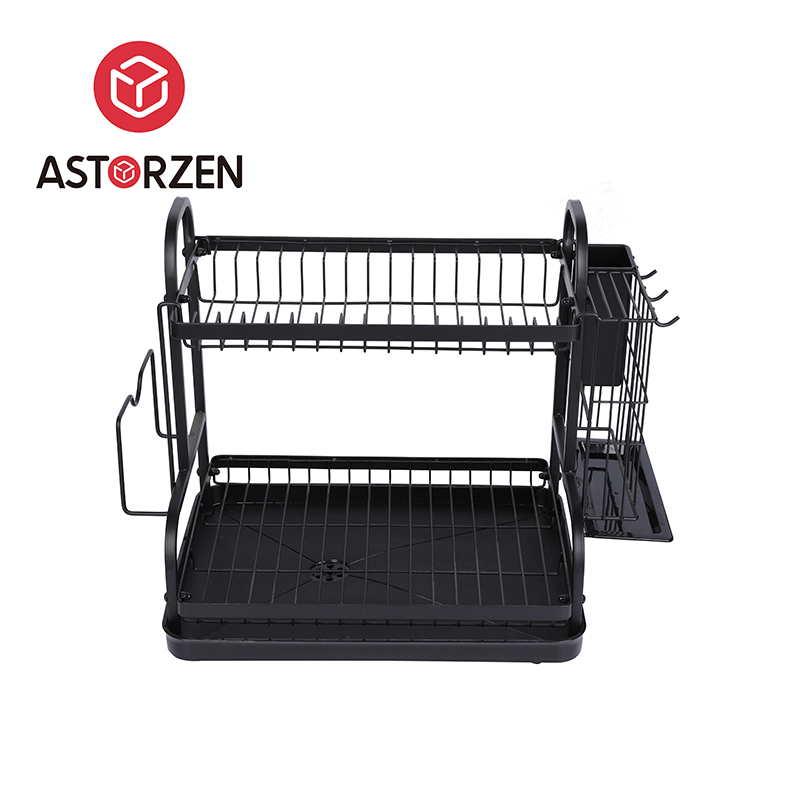 Multi-functional Metal Double-layer Dish And Bowl Draining Basket

Copyright 2025 Zhejiang Yacheng Industry and Trade Co., Ltd. All Rights Reserved.

