English
 日本語
 русский
 عربى
Industry News
Kitchen storage habits are changing as more consumers look for ways to keep countertops tidy and make daily cleaning easier. Dish drying products are also becoming more varied, with buyers paying attention to drainage structures, removable accessories, storage flexibility, and material finishes. For overseas kitchenware distributors and retailers, understanding these preferences helps identify products that fit different customer groups. As a manufacturer, we focus on practical design details that make a Dish Rack suitable for everyday household use.
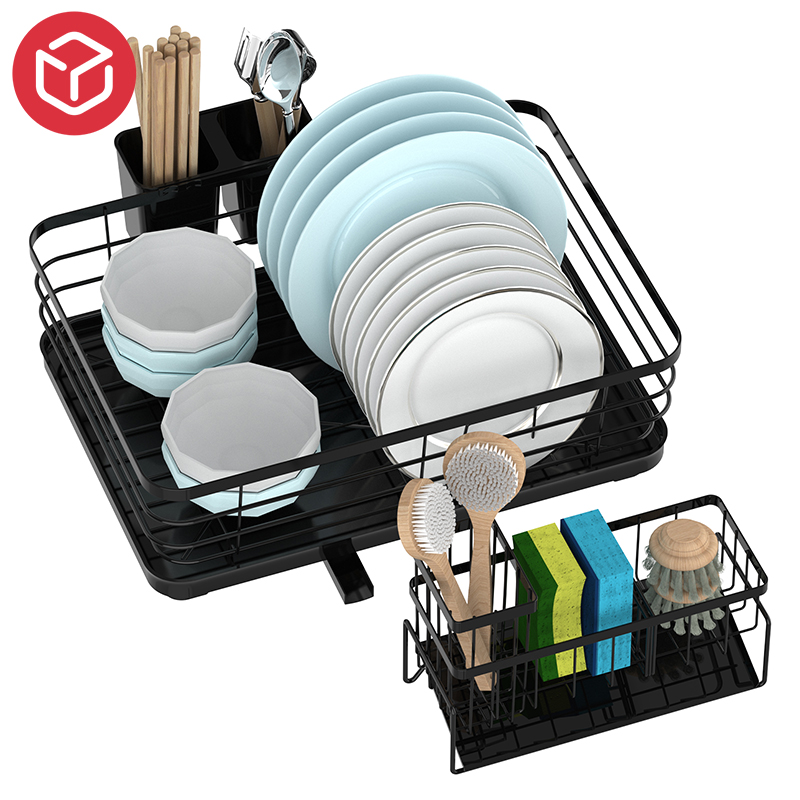
Removable Accessories Make Storage More Flexible
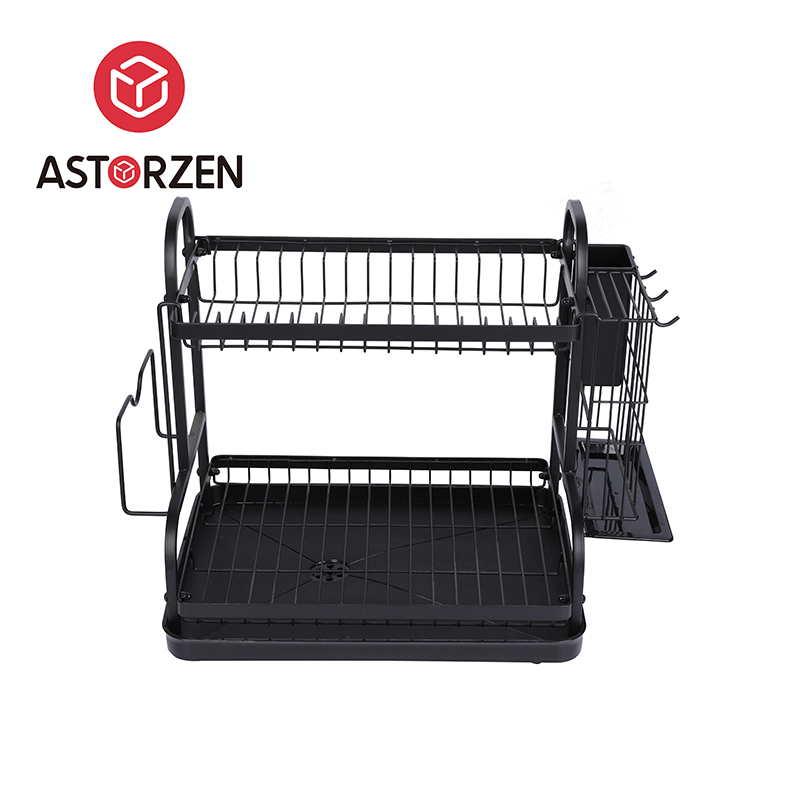
Different households use different types of tableware, so fixed storage compartments may not always meet their needs. Removable utensil baskets, cup holders, and drainage trays allow users to adjust the arrangement according to their daily habits.
This flexibility also makes individual components easier to clean and replace when necessary. For product buyers, detachable accessories are worth considering when comparing dish rack designs for different retail markets.
Open Structures Help Tableware Dry Naturally
Air circulation is an important part of the dish drying process. When plates and bowls are placed too closely together, moisture may remain between surfaces for longer.
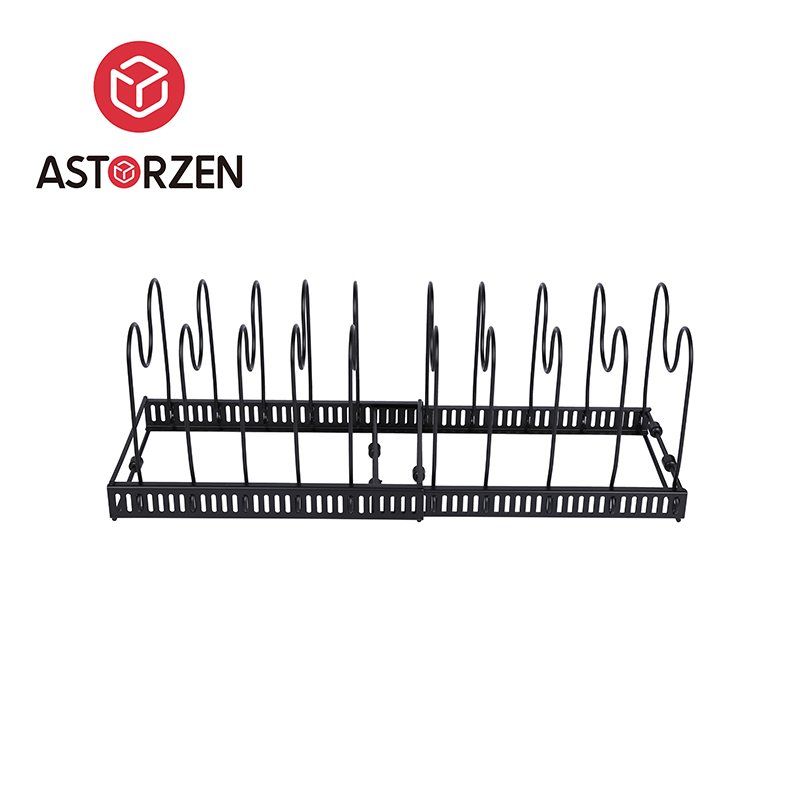
An open rack structure helps create space between individual items. Vertical plate slots, raised supports, and separated compartments can reduce direct contact between wet dishes.
Manufacturers should balance storage capacity with sufficient spacing to maintain convenient access and practical drying conditions.
Countertop Protection Deserves More Attention
A dish rack sits directly on a kitchen surface, often while carrying wet tableware. Without suitable support, metal feet or accumulated water may leave marks on countertops.
Several design details can help address this concern:
- Non-slip feet improve contact stability.
- Raised frames create space between the rack and countertop.
- Drainage trays collect excess water.
- Smooth contact surfaces help reduce scratches during regular use.
These features add practical value without making the overall structure unnecessarily complicated.
Material Combinations Create Different Product Styles
Modern kitchenware buyers often compare products based on both functionality and appearance. Stainless steel structures, coated metal frames, and plastic accessories offer different combinations of visual style, weight, and maintenance requirements.
For manufacturers, selecting compatible materials is important. Different components should fit securely and maintain a consistent appearance after assembly.
Buyers should also consider how the material combination matches their target market, retail positioning, and expected usage environment.
Packaging Design Matters for Overseas Buyers
Dish racks may include several detachable components, which makes packaging arrangement an important part of product development.
A suitable packaging solution should protect the frame, prevent accessories from moving excessively, and make the contents easy to identify. For products supplied through wholesale and retail channels, compact packaging can also help with warehouse organization and transportation planning.
Quality Inspection Should Cover More Than Appearance
A finished product may look attractive but still have practical problems if its components do not fit properly. Manufacturers need to check structural stability, edge finishing, drainage tray installation, and accessory connections.
For B2B buyers, these details are useful indicators when evaluating a supplier. Consistent inspection procedures also help reduce differences between production batches and support repeat orders.
Choosing a Dish Rack for Different Customer Groups
Retailers serving small apartments may prefer compact countertop models, while household goods distributors may need several structures and capacity options. Buyers should compare storage arrangements, material combinations, drainage methods, and packaging requirements before placing orders.
As a manufacturer, we understand that a functional Dish Rack needs to balance appearance, usability, and production consistency. Focusing on these practical details helps overseas buyers select kitchen storage products that respond to everyday consumer needs.