English
 日本語
日本語 русский
 عربى
عربىIndustry News
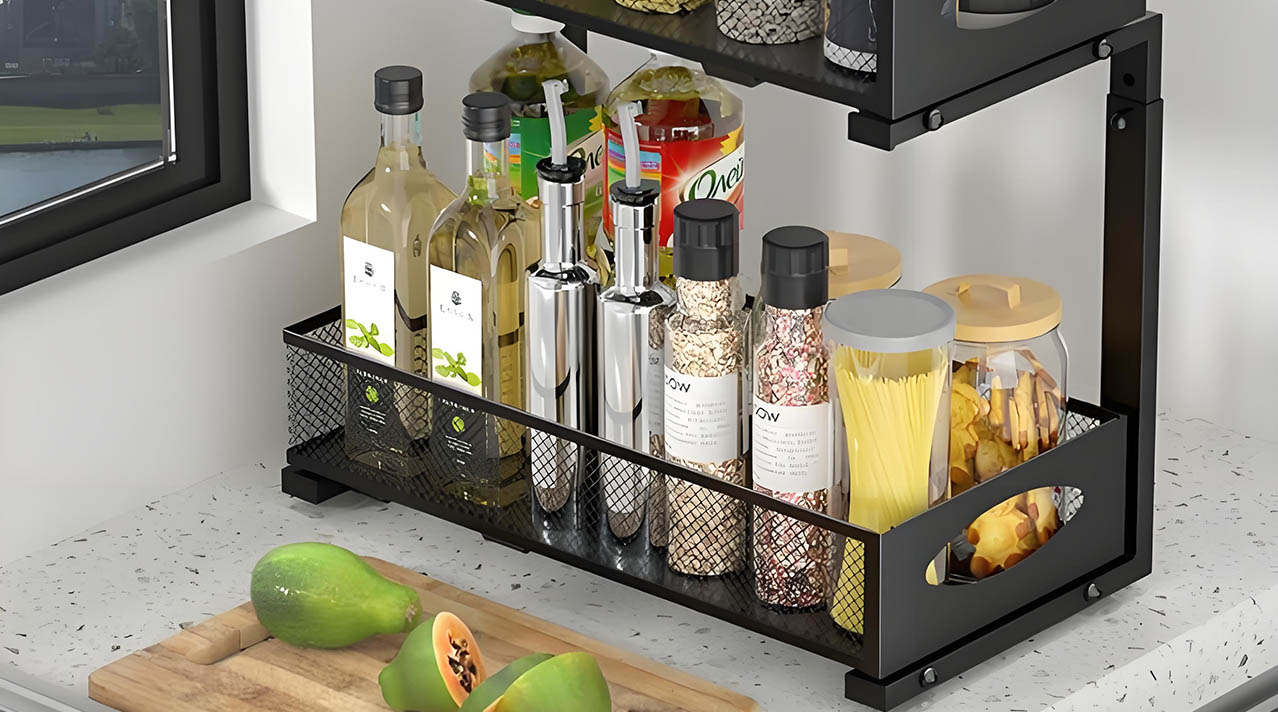
Limited living space presents daily challenges for many households. Small apartments, compact homes, and multifunctional rooms often struggle to store everyday items without creating visual clutter. Thoughtful Home Storage Organization strategies can help transform small spaces into practical environments that support daily routines. One widely discussed solution is the use of Interiors Storage Shelves, which make better use of vertical space and improve the accessibility of household items.
Small-space storage discussions frequently appear on home improvement blogs, forums, and social media. A common observation from interior organization experts is that the problem is often not the total amount of storage available but the way it is used. Efficient planning, combined with practical shelving systems, can significantly improve the functionality of compact homes.
Why Small Homes Struggle With Storage
Living in a limited space means that every piece of furniture and storage area must serve a clear purpose. Several common issues tend to create clutter in smaller homes:
Underused vertical areas
Many homes only use storage at waist or eye level, leaving upper walls empty.
Too many multifunctional items
Items used for work, hobbies, and entertainment may accumulate in the same space.
Lack of dedicated zones
Without clear storage categories, belongings often migrate from one area to another.
Storage furniture that occupies too much floor area
Large cabinets or bulky containers can reduce usable living space.
Interior design experts emphasize that vertical storage solutions can help overcome these limitations by moving storage upward rather than outward.
How Storage Shelves Improve Space Efficiency
Shelving systems provide a structured way to manage belongings in compact environments. Properly designed Interiors Storage Shelves can transform empty walls into organized storage zones.
1. Maximizing Vertical Storage
Vertical shelving allows homeowners to store items above existing furniture such as desks, sofas, or kitchen counters. Using wall space effectively can significantly expand storage capacity without taking up additional floor space.
Examples include:
Floating shelves above desks
Corner shelves in unused wall areas
Tall shelving units in narrow spaces
This approach helps maintain open walkways and keeps rooms visually balanced.
2. Improving Visibility and Accessibility
Shelves allow items to remain visible and easy to reach. Compared with deep cabinets or large containers, open shelving systems reduce the time spent searching for frequently used objects.
Clear visibility of stored items also helps prevent duplicate purchases or forgotten belongings, a common issue in poorly organized spaces.
3. Creating Functional Storage Zones
Small homes benefit greatly from dividing spaces into functional areas. Shelving systems help create clearly defined zones for different categories of belongings.
Typical shelf zones may include:
Books and documents
Kitchen supplies
Decorative items
Electronic accessories
Hobby materials
Grouping similar items together helps maintain a consistent Home Storage Organization system throughout the home.
Common Shelving Ideas for Compact Homes
Several shelving layouts are commonly recommended in small interior spaces.
Wall-Mounted Shelves
Wall-mounted shelves are ideal for living rooms, kitchens, and home offices. They provide storage without occupying floor space.
Corner Shelves
Corners often remain unused. Installing triangular or rotating shelves can turn these areas into practical storage spots.
Modular Shelving Systems
Modular shelving units allow homeowners to expand or rearrange storage layouts as their needs change.
Over-Door Shelves
Doors offer additional vertical storage opportunities. Shelving units or racks mounted on doors are commonly used for shoes, accessories, or small household items.
Each of these solutions contributes to efficient Home Storage Organization, especially in apartments where square footage is limited.
Practical Tips for Maintaining Organized Shelves
Shelving alone does not guarantee an organized home. Maintenance habits play an important role in keeping storage systems functional.
Simple habits include:
Returning items to their designated shelf
Grouping similar objects together
Reviewing stored items periodically
Using labeled containers or baskets
Daily maintenance routines such as short evening tidying sessions can help maintain an organized environment with minimal effort.
Storage Design and Interior Style
Shelving also contributes to interior aesthetics. Open shelving can combine storage and decoration by displaying books, plants, and personal items in a curated way.
Interior designers often recommend balancing open shelves with closed cabinets. This combination reduces visual clutter while still allowing decorative displays.
Companies such as Zhejiang Yacheng Industry and Trade Co., Ltd. produce interior shelving products designed to support both functional storage and modern interior layouts. Durable materials, modular structures, and adjustable shelves allow homeowners to adapt storage solutions as their living spaces evolve.
Shelving as a Long-Term Storage Strategy
Compact homes require thoughtful planning to remain comfortable and functional. Well-designed Interiors Storage Shelves offer a practical solution by expanding storage capacity vertically while maintaining open living areas.
Combined with a structured Home Storage Organization system, shelving can help households manage belongings more efficiently and reduce daily clutter. Over time, these solutions contribute to a more organized living environment that supports both practical needs and interior design preferences.